Can the World Finally End AIDS? UN Adopts Ambitious New Global Declaration
Kashish Pandey | Jun 25, 2026, 19:00 IST
The United Nations has adopted a new Political Declaration on HIV/AIDS, renewing global efforts to end AIDS as a public health threat by 2030. The move comes at a crucial moment. While scientific breakthroughs and improved treatment have transformed millions of lives, the world has fallen short of several key targets set for 2025. The next five years could determine whether decades of progress become one of humanity's greatest public health victories or a missed opportunity.

A few decades ago, an HIV diagnosis was often seen as a death sentence. Families lived in fear, misinformation spread faster than facts, and millions of people around the world lost loved ones to a disease that medicine struggled to understand. Today, the picture looks very different. People living with HIV can lead long, healthy lives, and global deaths have fallen dramatically. Yet despite this progress, the world is facing a difficult reality: we are still not on track to end AIDS as a public health threat by 2030. A new United Nations declaration hopes to change that but can it?
When representatives from around the world gathered at the United Nations this June, the message was clear: the fight against HIV/AIDS is far from over. The UN General Assembly adopted a new Political Declaration on HIV/AIDS with overwhelming support. On paper, it may look like another international agreement. In reality, it is a recognition that the world stands at a crossroads. The declaration comes with both hope and concern.
Hope because humanity now has better tools than ever to prevent, diagnose, and treat HIV. Concern because despite years of progress, many countries are still struggling to reach the people who need these tools the most. In many ways, this declaration is less about celebrating how far we've come and more about asking a difficult question: can the world finish what it started?
![HIV]()
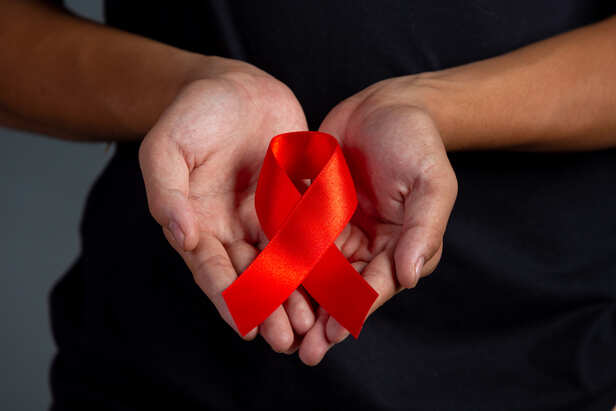
For many younger people, HIV is something they hear about occasionally but rarely think about. It no longer dominates headlines the way it once did. That's actually a sign of how much progress has been made. Modern treatment has transformed HIV care. People who receive timely treatment can often live long and healthy lives. Many can work, build families, pursue careers, and plan for the future just like anyone else.
The numbers tell an extraordinary story. Since 2010, AIDS-related deaths have fallen by 56%, while new HIV infections have dropped by 43%. More than 32 million people around the world are now receiving treatment. These aren't just statistics. They represent millions of parents who watched their children grow up, students who pursued their dreams, and families who got more time together than they once thought possible.
If the world has made such remarkable progress, why is there still concern? Because success has not reached everyone equally. The new declaration openly acknowledges that the world failed to meet several HIV targets set for 2025. That may come as a surprise to many people who assume the crisis is largely behind us. The reality is that progress has been uneven.
While some countries have expanded healthcare access and dramatically reduced infections, others continue to face major challenges. In many places, healthcare services remain difficult to access, especially for vulnerable communities. This is the uncomfortable truth behind the encouraging headlines: the tools exist, but millions of people still struggle to access them. And unless that changes, the 2030 goal could remain out of reach.
![Communities]()
One of the biggest misconceptions about the global goal is the belief that "ending AIDS" means completely eradicating HIV from the planet. That's not what experts mean. The aim is to end AIDS as a public health threat. In simple terms, that means reducing infections and deaths to very low levels while ensuring people living with HIV have access to the care they need.
Think of it this way: humanity may not completely eliminate HIV anytime soon, but it can reach a point where the virus no longer devastates communities on the scale it once did. The science already exists to make that possible. What remains uncertain is whether countries can deliver those solutions consistently, fairly, and at the scale required.
When people think about HIV, they often think about hospitals, medicines, and scientific research. But some of the biggest challenges have little to do with medicine. Stigma continues to shape lives around the world. In some communities, people still fear being judged, excluded, or discriminated against if they seek testing or treatment. That fear can prevent people from getting help early, even when effective treatment is available.
Poverty, inequality, and limited healthcare access create additional barriers. For many people, the issue isn't whether treatment exists. It's whether treatment is within reach. This is why experts increasingly argue that ending AIDS requires more than medical solutions. It also requires compassion, education, stronger healthcare systems, and a commitment to protecting human rights.
![AIDS]()
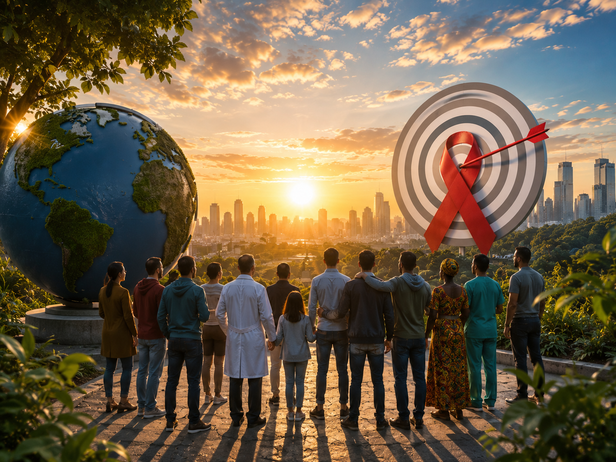
The new UN declaration repeatedly focuses on the period between now and 2030. That's because experts believe the next few years could determine the outcome of the entire global effort. The world already knows what works. Testing works. Treatment works. Prevention programs work. Community-led support works. The challenge now is maintaining momentum. Funding remains a major concern, especially as governments juggle multiple global crises.
Public health leaders have warned that reducing investment could jeopardize years of hard-earned progress. History shows that diseases don't disappear simply because we stop talking about them. The fight against HIV requires continued attention, resources, and political commitment. The finish line may be visible, but reaching it will require one final push.
Perhaps the most remarkable thing about the HIV story is how much has changed. What once seemed impossible is now within sight. Millions of lives have been saved. Scientific breakthroughs have rewritten expectations. Entire generations have benefited from progress that would have been unimaginable just a few decades ago. Yet the latest UN declaration serves as an important reminder: progress is not the same as victory.
The world has the knowledge, the tools, and the experience needed to dramatically reduce the impact of HIV. Whether that potential becomes reality depends on choices made today. The future of the fight against AIDS won't be decided by a declaration alone. It will be decided by what happens next.
The adoption of the UN's new HIV/AIDS declaration is both a milestone and a reminder. A milestone because the world has made extraordinary progress against a once-devastating epidemic. A reminder because millions of people still face barriers to prevention, treatment, and care. The goal of ending AIDS as a public health threat remains achievable, but the coming years will reveal whether the world can turn decades of progress into lasting change.
Unlock insightful tips and inspiration on personal growth, productivity, and well-being. Stay motivated and updated with the latest at My Life XP.
A New Promise at a Critical Moment
When representatives from around the world gathered at the United Nations this June, the message was clear: the fight against HIV/AIDS is far from over. The UN General Assembly adopted a new Political Declaration on HIV/AIDS with overwhelming support. On paper, it may look like another international agreement. In reality, it is a recognition that the world stands at a crossroads. The declaration comes with both hope and concern.
Hope because humanity now has better tools than ever to prevent, diagnose, and treat HIV. Concern because despite years of progress, many countries are still struggling to reach the people who need these tools the most. In many ways, this declaration is less about celebrating how far we've come and more about asking a difficult question: can the world finish what it started?
The HIV Story Is No Longer What It Used to Be
HIV
For many younger people, HIV is something they hear about occasionally but rarely think about. It no longer dominates headlines the way it once did. That's actually a sign of how much progress has been made. Modern treatment has transformed HIV care. People who receive timely treatment can often live long and healthy lives. Many can work, build families, pursue careers, and plan for the future just like anyone else.
The numbers tell an extraordinary story. Since 2010, AIDS-related deaths have fallen by 56%, while new HIV infections have dropped by 43%. More than 32 million people around the world are now receiving treatment. These aren't just statistics. They represent millions of parents who watched their children grow up, students who pursued their dreams, and families who got more time together than they once thought possible.
The Wake-Up Call Hidden in the Progress
If the world has made such remarkable progress, why is there still concern? Because success has not reached everyone equally. The new declaration openly acknowledges that the world failed to meet several HIV targets set for 2025. That may come as a surprise to many people who assume the crisis is largely behind us. The reality is that progress has been uneven.
While some countries have expanded healthcare access and dramatically reduced infections, others continue to face major challenges. In many places, healthcare services remain difficult to access, especially for vulnerable communities. This is the uncomfortable truth behind the encouraging headlines: the tools exist, but millions of people still struggle to access them. And unless that changes, the 2030 goal could remain out of reach.
Why Ending AIDS Doesn't Mean Eliminating HIV

Communities
One of the biggest misconceptions about the global goal is the belief that "ending AIDS" means completely eradicating HIV from the planet. That's not what experts mean. The aim is to end AIDS as a public health threat. In simple terms, that means reducing infections and deaths to very low levels while ensuring people living with HIV have access to the care they need.
Think of it this way: humanity may not completely eliminate HIV anytime soon, but it can reach a point where the virus no longer devastates communities on the scale it once did. The science already exists to make that possible. What remains uncertain is whether countries can deliver those solutions consistently, fairly, and at the scale required.
The Problem Medicine Alone Can't Solve
When people think about HIV, they often think about hospitals, medicines, and scientific research. But some of the biggest challenges have little to do with medicine. Stigma continues to shape lives around the world. In some communities, people still fear being judged, excluded, or discriminated against if they seek testing or treatment. That fear can prevent people from getting help early, even when effective treatment is available.
Poverty, inequality, and limited healthcare access create additional barriers. For many people, the issue isn't whether treatment exists. It's whether treatment is within reach. This is why experts increasingly argue that ending AIDS requires more than medical solutions. It also requires compassion, education, stronger healthcare systems, and a commitment to protecting human rights.
Why the Next Five Years Matter So Much
AIDS
The new UN declaration repeatedly focuses on the period between now and 2030. That's because experts believe the next few years could determine the outcome of the entire global effort. The world already knows what works. Testing works. Treatment works. Prevention programs work. Community-led support works. The challenge now is maintaining momentum. Funding remains a major concern, especially as governments juggle multiple global crises.
Public health leaders have warned that reducing investment could jeopardize years of hard-earned progress. History shows that diseases don't disappear simply because we stop talking about them. The fight against HIV requires continued attention, resources, and political commitment. The finish line may be visible, but reaching it will require one final push.
A Future Worth Fighting For
Perhaps the most remarkable thing about the HIV story is how much has changed. What once seemed impossible is now within sight. Millions of lives have been saved. Scientific breakthroughs have rewritten expectations. Entire generations have benefited from progress that would have been unimaginable just a few decades ago. Yet the latest UN declaration serves as an important reminder: progress is not the same as victory.
The world has the knowledge, the tools, and the experience needed to dramatically reduce the impact of HIV. Whether that potential becomes reality depends on choices made today. The future of the fight against AIDS won't be decided by a declaration alone. It will be decided by what happens next.
Unlock insightful tips and inspiration on personal growth, productivity, and well-being. Stay motivated and updated with the latest at My Life XP.