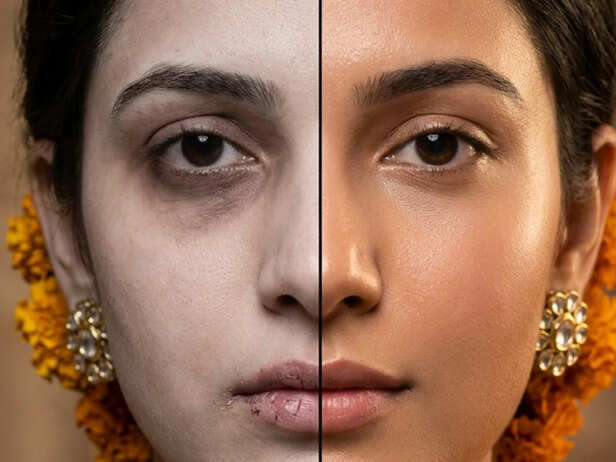
Known online as
“ferritin face,” the trend links a tired-looking complexion with low iron stores. Some people claim that improving their iron levels transformed their skin and hair. However, while iron deficiency can affect the body in several ways, your face cannot reliably tell you whether your ferritin levels are low.
What Exactly Is Ferritin Face?
![Can low iron affect skin]()
Can low iron affect skin
Image credit : ChatGPT
“Ferritin face” is a social media term, not a recognised medical diagnosis. It describes an appearance that may include pale-looking skin, dark circles, dullness, hair shedding, brittle nails and dry or cracked lips.The idea behind the trend comes from the role iron plays in the body. Iron helps produce haemoglobin, a protein in red blood cells that carries oxygen to tissues. Ferritin, meanwhile, is a protein that stores iron. Measuring ferritin in the blood helps doctors assess the body's iron reserves.
When these reserves become low, the body may not have enough iron to meet its needs. If iron deficiency progresses, it can lead to iron-deficiency anaemia.However, the visible changes associated with the trend are not exclusive to low iron. Poor sleep, stress, hormonal changes, dehydration and other nutritional deficiencies can cause similar concerns.
Can Low Iron Really Change Your Appearance?
There is some medical basis behind the discussion, but the claims circulating online need context.
1. Pale or Washed-Out Skin
Iron deficiency can lead to anaemia, which may make the skin appear paler because the blood has less haemoglobin. Paleness can sometimes be noticeable around the face, lips or inner eyelids.However, a naturally pale complexion does not automatically mean someone has low iron. Skin tone varies from person to person, and lighting can also affect how it appears.
2. Dark Circles Under the Eyes
Dark circles are one of the most discussed features of “ferritin face”. But they can develop for several reasons, including genetics, lack of sleep, allergies, ageing and the natural structure of the under-eye area.Iron deficiency may contribute to a tired appearance, particularly when accompanied by fatigue or anaemia. Still, dark circles alone are not a reliable sign of low ferritin.
3. Hair Shedding or Thinning
![Hair shedding]()
Hair shedding
Image credit : ChatGPT
Noticing more hair in your shower drain can be worrying. Iron deficiency is one possible factor associated with hair loss, although hair shedding has many other causes, including hormonal changes, illness, stress and certain nutritional deficiencies.If your hair loss is persistent, worsening or accompanied by other symptoms, it is worth discussing it with a healthcare professional rather than assuming that low iron is responsible.
4. Brittle Nails and Dry Lips
Iron deficiency can sometimes be associated with brittle nails and changes around the mouth. In some cases, the corners of the lips may become sore or cracked.However, these symptoms can also result from skin conditions, irritation or other nutritional deficiencies. They should be considered alongside your medical history and other symptoms, not used as a checklist for diagnosing yourself.
The key point: Low iron can affect the body, including the skin, hair and nails, but there is no specific facial appearance that confirms low ferritin.
Can You Have Low Ferritin Without Anaemia?
Yes. This is an important detail that the viral trend sometimes overlooks.Your body stores iron before using it to support essential functions, including the production of haemoglobin. Ferritin levels may fall as iron stores become depleted, even while haemoglobin remains within the normal range.
This means a person can have iron deficiency without yet having iron-deficiency anaemia. Some people may notice symptoms such as fatigue, reduced energy or increased hair shedding, while others may have few obvious symptoms.A normal haemoglobin result does not always rule out low iron stores. A healthcare professional may recommend a ferritin test and other blood tests, depending on your symptoms and medical history.
What Are the Other Signs of Low Iron?
Instead of judging your health by your reflection, pay attention to changes in how you feel and function.
Possible signs of iron deficiency or iron-deficiency anaemia include:
- Persistent tiredness or low energy
- Weakness or reduced stamina
- Shortness of breath during routine activity
- Headaches or dizziness
- Noticeable paleness
- Hair shedding or brittle nails
- A racing heartbeat in some cases
These symptoms can occur for reasons other than iron deficiency. If they persist, worsen or affect your daily activities, seek medical advice. Severe breathlessness, chest pain or fainting warrants urgent medical assessment.
People who have heavy menstrual periods, are pregnant, follow diets low in iron or have certain digestive conditions may have a higher risk of iron deficiency. A healthcare professional can help determine whether testing is appropriate.
How Can You Check Your Ferritin Levels?
A mirror, selfie or social media checklist cannot measure iron stores.
A blood test is the reliable way to investigate suspected low ferritin.Depending on your symptoms, a healthcare professional may recommend:
- Serum ferritin: Helps assess the body's stored iron.
- Complete blood count (CBC): Checks haemoglobin and other features of your blood that may indicate anaemia.
- Additional iron tests: May be needed to understand your iron status and identify the reason for abnormal results.
Ferritin results must be interpreted in context. For example, inflammation can affect ferritin levels, so a clinician may consider other tests and your overall health before drawing conclusions.If iron deficiency is confirmed, the next step is to understand why it has happened. Possible causes include inadequate dietary intake, blood loss, pregnancy or problems absorbing nutrients. Treatment depends on the underlying cause and the severity of the deficiency.
Should You Take Iron Supplements for Better Skin?
Not just because a social media post suggests you have “ferritin face”.
Iron supplements can be helpful when a deficiency is confirmed and treatment is recommended. However, taking them without knowing your iron status can cause side effects such as nausea, abdominal discomfort and constipation. Excessive iron intake can also be harmful.If you are concerned about your skin, hair or energy levels, speak to a healthcare professional before starting supplements. You can also support a balanced diet with iron-containing foods such as lentils, beans, chickpeas, leafy green vegetables, meat and fortified cereals, depending on your dietary preferences.
Vitamin C-rich foods, such as oranges, guavas and peppers, can help the body absorb iron from plant foods. Tea and coffee taken with meals can reduce the absorption of non-haem iron, so having them between meals may help.Dietary changes can support your nutritional needs, but they should not replace medical assessment when a deficiency is suspected.
Your Face May Offer Clues, but It Cannot Give You a Diagnosis
The popularity of “ferritin face” has brought attention to a genuine health issue: iron deficiency can sometimes go unnoticed, and it may affect more than energy levels.But dark circles, dull skin or hair shedding do not automatically mean your body needs more iron. These changes have many possible explanations, and treating the wrong cause may delay the care you actually need.
If you have noticed persistent changes in your appearance alongside fatigue, weakness or other symptoms, consider speaking to a healthcare professional. The right blood tests can help establish whether low iron is involved and guide appropriate treatment.
The real takeaway? You do not need to diagnose your health from your face. Understanding what your body is telling you, and checking the facts before following a viral trend, is a far more useful first step.
Unlock insightful tips and inspiration on personal growth, productivity, and well-being. Stay motivated and updated with the latest at My Life XP.