Your body has one standing priority in cold air: keep the organs at the centre warm. Everything else is negotiable. The moment the air around you drops, your nervous system fires a signal to the smooth muscle wrapped around your blood vessels, telling it to contract. The vessels narrow. Blood is pulled away from the skin and the limbs and routed inward, toward the heart, lungs, liver, and brain. This is vasoconstriction, and it is not a malfunction. It is the body doing exactly what it was built to do.
What Vasoconstriction Actually Does to Blood Flow
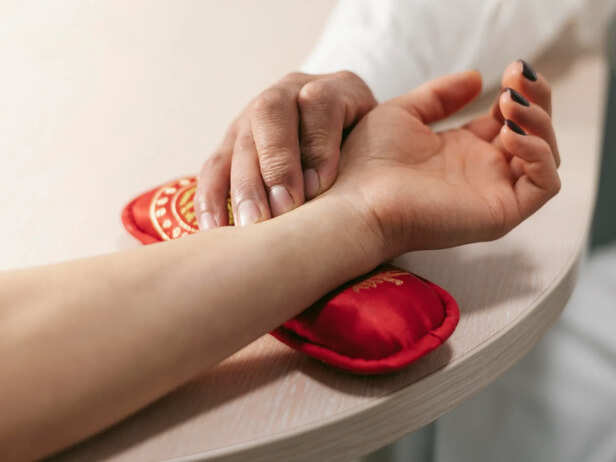
![How Blood Circulation Affects Your Hands and Feet]()
How Blood Circulation Affects Your Hands and Feet
Image credit : Freepik
Narrower vessels mean the same volume of blood has to move through a smaller space. Physics takes over: pressure rises. Your heart, which was already working at a baseline rate, now has to push against higher resistance with every beat. This is called increased peripheral vascular resistance, and it is the core of why cold weather and cardiovascular strain are linked.
The effect is not dramatic in a healthy person doing ordinary things. But it is real, measurable, and cumulative across a cold day. Shovelling snow, climbing stairs in a cold building, or walking briskly into a headwind each add their own demand on top of the baseline rise in resistance. The heart is not failing. It is simply working harder than it would at the same pace in warmer air.
Why the Heart Has to Work Harder Than Usual
The heart is a pump, and every pump is rated against the resistance it pumps into. When vessels narrow, the left ventricle, the chamber that sends blood out into the body, has to generate more force to move blood forward. Heart rate often rises slightly. Blood pressure rises more noticeably. Oxygen demand in the heart muscle itself goes up.
In a heart with healthy, flexible arteries, this is manageable. The coronary arteries, the vessels that feed the heart muscle, widen slightly to bring more oxygen in. But coronary arteries can also constrict in cold air, following the same reflex as the vessels in the skin. When the demand goes up and the supply line narrows at the same time, the margin shrinks. This is the mechanism behind why cold mornings carry a higher rate of cardiac events than warm afternoons. It is not coincidence or folklore. It is supply and demand meeting in a narrower corridor.
The Role the Lungs Play
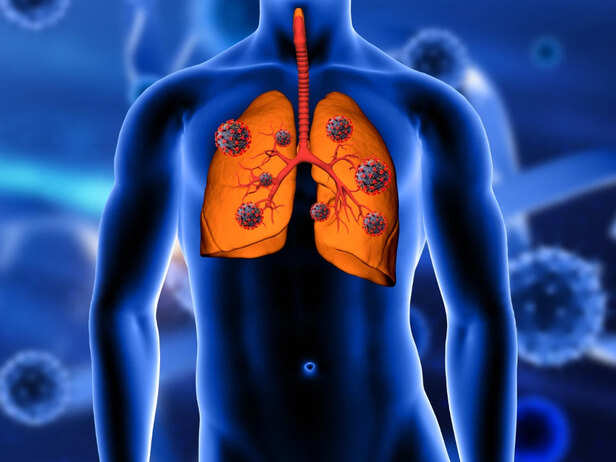
![Lungs]()
Lungs
Image credit : Freepik
Cold air reaches the lungs before the blood vessels can warm it fully. The airways respond by tightening slightly, a reflex that reduces the volume of cold air hitting the delicate tissue deeper in the lung. For most people, this is imperceptible. For someone with asthma or any chronic airway sensitivity, it is the reason cold air triggers a wheeze or a cough that warm air does not.
The lungs and the heart share a circuit. When the airways tighten and breathing becomes even fractionally less efficient, the heart compensates by pumping a little faster to keep oxygen delivery steady. The two systems are not separate problems. They are the same problem seen from two angles.
What Your Extremities Are Telling You
Cold fingers and toes are the most visible sign of vasoconstriction at work. The body has decided those tissues can afford to be cooler, and it has reduced their blood supply accordingly. Fingers that go white, then blue, then red as they rewarm are following a predictable sequence: vasoconstriction, then the deoxygenated blood pooling, then the rush of return flow. In most people this is uncomfortable and harmless. In some, the reflex is exaggerated, the vessels clamp down harder and longer than the temperature warrants. That pattern has a name, Raynaud's phenomenon, and it is worth mentioning to a doctor if fingers or toes regularly go white in mild cold or in response to stress.
The extremities are also where the body gives up heat fastest, which is why covering the hands and feet does more to keep the core warm than adding a layer to the torso. Less heat loss at the edges means the vasoconstriction reflex does not have to work as hard, which means less pressure on the heart downstream.
When the Extra Work Becomes Worth Watching
For most people, the heart's cold-weather workload is well within its range. The body is built for seasonal variation. But the margin between manageable and strained is smaller in some people than others, and cold air does not announce itself as a stressor the way exertion does.
Chest tightness, unusual breathlessness, or pain that spreads to the jaw or left arm during cold-weather activity is not something to attribute to the cold and walk off. These are symptoms that warrant prompt medical attention, not a rest and a warm drink. The mechanism described above, higher demand meeting a narrower supply line, is the reason those symptoms appear in cold rather than warm conditions in people whose coronary arteries have some narrowing already. The cold did not cause the underlying condition. It revealed it.
Anyone with a known heart condition, high blood pressure, or a history of cardiac events should talk to their doctor before winter changes their routine in ways that add exertion to cold exposure, early morning walks, outdoor exercise, or physical work in low temperatures.
What the Body Asks of You in Return
Vasoconstriction is automatic. What is not automatic is the decision to warm up gradually before exertion, to cover the extremities so the reflex does not have to work overtime, to breathe through the nose where possible so air arrives at the lungs slightly warmer and more humid, and to recognise that the heart is doing more work than the thermometer makes obvious.
None of this requires a dramatic change in how you move through cold months. It requires the same thing the body's own reflex requires: a little more time, a little more margin, and the understanding that the system managing all of it is not separate from the temperature outside. It is in direct conversation with it.
Cold air and a working heart are not enemies. They are a negotiation the body has been running quietly for as long as you have been alive. Knowing the terms of that negotiation is not cause for alarm. It is simply useful.
Experiencing frequent stress, fatigue, or health challenges? Your name energy may be worth exploring. Check it here. Unlock insightful tips and inspiration on personal growth, productivity, and well-being. Stay motivated and updated with the latest at
My Life XP.