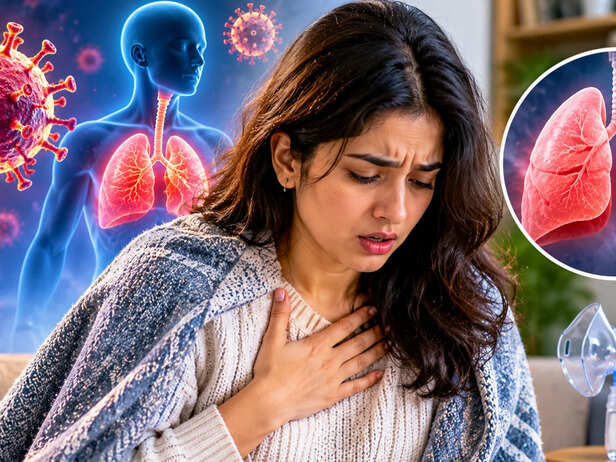
Even simple activities such as climbing stairs, walking for a few minutes or carrying groceries may leave them feeling unusually breathless. This can be frustrating, especially when they otherwise feel healthy.Breathing problems after an infection can have several possible explanations. In some cases, the airways or lungs may need more time to recover. In others, reduced physical activity, changes in breathing patterns or an underlying health condition may contribute to the symptoms.
Understanding why breathlessness can continue after a viral infection is important for recognising warning signs and getting the right medical care.
Why Can Breathing Problems Continue After a Viral Infection?
![Woman with Respiratory Health Concerns]()
Woman with Respiratory Health Concerns
Image credit : ChatGPT AI
Respiratory viruses, including influenza and COVID-19, can affect different parts of the respiratory system. Although many people recover completely, some may experience lingering symptoms.
Here are a few possible reasons why breathing difficulties can continue.
1. Lingering Inflammation in the Airways
During a respiratory infection, the body's immune system responds to the virus by creating inflammation. This response helps fight the infection but can also irritate the airways.
In some people, airway irritation and sensitivity may continue during recovery. This can cause coughing, wheezing, chest tightness or a feeling of breathlessness.People who already have asthma or other respiratory conditions may notice that their symptoms become more difficult to control after an infection.
2. Lung Changes After a Severe Infection
Some viral infections can cause pneumonia, which affects the tiny air sacs in the lungs where oxygen enters the bloodstream.
After a severe lung infection, recovery may take time. In certain cases, inflammation or damage to lung tissue can affect how efficiently the lungs work.
This may make physical activities feel more difficult than before. However, not everyone who experiences breathlessness after an infection has permanent lung damage. A medical evaluation is needed to understand the underlying cause.
3. Reduced Physical Fitness During Recovery
When someone is unwell, they usually spend more time resting and reduce their usual physical activities.
After several days or weeks of limited movement, muscles may become weaker and physical stamina may decrease. This can make everyday activities feel more tiring.
For example, a person who previously climbed several flights of stairs without difficulty may now need to stop and catch their breath.
This does not necessarily mean that the lungs are permanently affected. Reduced fitness after illness can also contribute to breathlessness.
4. Changes in Breathing Patterns
Some people develop changes in their breathing patterns after an illness. They may breathe more rapidly, take shallow breaths or feel unable to get a satisfying deep breath.
This is sometimes described as dysfunctional breathing. It can occur alongside other post-infection symptoms and may contribute to the sensation of breathlessness.
A healthcare professional or respiratory physiotherapist can help assess breathing patterns and recommend suitable techniques when needed.
5. Other Health Conditions
Breathlessness is not always caused by the infection itself. Several other health conditions can produce similar symptoms.
For example, anaemia can reduce the blood's ability to carry oxygen efficiently. Heart conditions, asthma, blood clots in the lungs and other respiratory problems can also cause difficulty breathing.
This is why persistent or unexplained breathlessness should not automatically be blamed on a previous viral infection.
What Does Post-Viral Breathlessness Feel Like?
Breathing difficulties can affect people differently. Some experience symptoms only during physical activity, while others may notice discomfort even during routine tasks.
Common symptoms can include:
- Getting breathless while climbing stairs: Activities that previously felt easy may require more effort.
- Feeling tired after short walks: Reduced stamina can make even a brief walk exhausting.
- Chest tightness: Some people describe a feeling of pressure or tightness while breathing.
- Persistent coughing: An irritated airway may cause a cough that continues after the infection.
- Wheezing: A whistling sound during breathing may occur when the airways become narrowed.
- Difficulty taking a deep breath: Some people feel that they cannot fill their lungs completely.
These symptoms can have different causes, so they should not be used to diagnose a particular condition without medical assessment.
Can COVID-19 Cause Breathing Problems Months After Recovery?
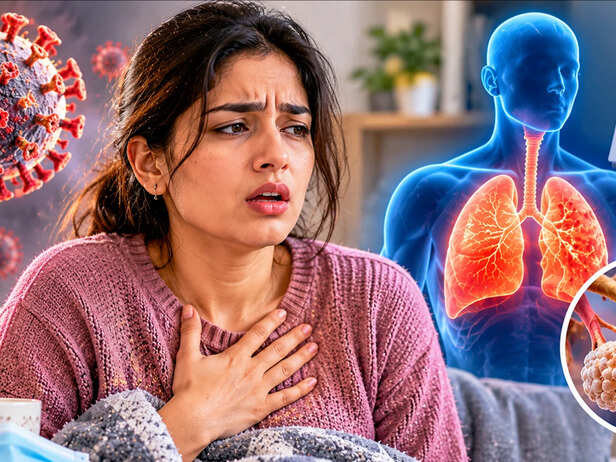
![COVID-19 Cause Breathing]()
COVID-19 Cause Breathing
Image credit : ChatGPT AI
Yes, some people experience breathing difficulties as part of post-COVID conditions, commonly called long COVID.
The symptoms can continue or develop after the initial infection has passed. Breathlessness, cough, fatigue and reduced exercise tolerance are among the symptoms reported by people experiencing post-COVID conditions.
However, the experience is not the same for everyone. Some people recover without lingering problems, while others may need additional medical support.
Breathing difficulties after COVID-19 can be related to several factors, including lung changes, airway sensitivity, reduced physical fitness and changes in breathing patterns.
It is also possible for an unrelated health condition to develop or become noticeable during recovery. Therefore, ongoing symptoms need proper evaluation rather than assumptions about permanent lung damage.
What Can Help During Recovery From Breathing Difficulties?
Recovery depends on the underlying cause of breathlessness. There is no single treatment or exercise that works for everyone.
However, certain measures may support recovery when recommended by a healthcare professional.
1. Return to Physical Activity Gradually
After an illness, it may take time to regain physical strength and stamina. Activities should be increased according to individual tolerance and medical advice.
Starting with gentle movement may be appropriate for some people. However, those who experience worsening symptoms or delayed exhaustion after activity should not force themselves to exercise.
2. Follow Medical Advice
A doctor may recommend tests such as lung function testing, oxygen level assessment, chest imaging or heart-related investigations depending on the symptoms and medical history.
These tests can help identify whether the problem is related to the lungs, heart or another condition.
Treatment may involve medication, management of an existing respiratory condition or a supervised rehabilitation programme.
3. Practise Breathing Techniques When Appropriate
Certain breathing techniques, such as pursed-lip breathing, may help some people manage breathlessness.
In this method, a person gently breathes in through the nose and breathes out slowly through pursed lips.
However, breathing exercises are not suitable for every cause of breathlessness. It is best to learn them from a healthcare professional or respiratory physiotherapist, particularly when symptoms are persistent.
4. Avoid Smoking and Airway Irritants
Smoking, second-hand smoke, dust and air pollution can irritate the respiratory system.
Reducing exposure to these irritants may help people with sensitive airways manage their symptoms better.
5. Give the Body Enough Time to Recover
Adequate sleep, balanced meals and appropriate rest support general recovery after an illness.
People should avoid comparing their recovery with others. The time needed to regain strength and normal activity levels can differ considerably.
When Should You See a Doctor for Breathing Problems?
Breathlessness that continues for weeks, returns after an infection or interferes with everyday activities should be medically evaluated.
Consult a healthcare professional if you experience:
- Breathlessness that is not improving or is getting worse.
- Difficulty walking short distances because of breathing problems.
- Persistent coughing or wheezing.
- Chest discomfort or unusual fatigue.
- Breathlessness during rest or while lying down.
Sudden or severe difficulty breathing, chest pain, fainting, confusion or blue or grey lips require immediate emergency medical attention.
Do not wait for symptoms to improve on their own when these warning signs appear.
Breathing Difficulties After an Infection Should Not Be Ignored
A viral infection may pass, but the recovery process can look different for everyone. While some people return to their normal routines quickly, others may need more time to regain their breathing comfort and physical stamina.
Persistent breathlessness should not automatically be considered a normal part of recovery. It can be related to lingering airway inflammation, changes in lung function, reduced fitness or other health conditions that require attention.
The important thing is to understand the symptoms, avoid pushing the body beyond its limits and seek medical advice when breathing difficulties continue. With the right evaluation and appropriate care, people can better understand what is affecting their breathing and take suitable steps towards recovery.
Unlock insightful tips and inspiration on personal growth, productivity, and well-being. Stay motivated and updated with the latest at
My Life XP.