How to Break Bad Habits for Good
Rangnai Tara | Jul 11, 2026, 17:42 IST
Breaking bad habits is not about having perfect self-control. It is about understanding why habits form and making small changes that are easier to maintain. This article explains practical ways to identify triggers, replace unhealthy habits with positive ones, stay motivated, and create routines that support lasting change.

How to Break Bad Habits for Good
Image credit : Pexels
Bad habits can affect almost every part of life. Whether it is spending too much time on your phone, eating unhealthy food, procrastinating, or staying up too late, these habits often become part of your daily routine without you even noticing. The good news is that no habit is permanent. With patience and the right approach, you can replace negative habits with healthier ones that improve your well-being.
Many people believe they simply need more willpower to change. In reality, breaking a habit is more about changing your environment, understanding your triggers, and creating better routines. Lasting change usually happens through small, consistent steps rather than sudden dramatic changes.
Every habit serves a purpose, even if it is harmful. Some habits reduce stress, while others provide comfort, entertainment, or a temporary escape from boredom. Before trying to stop a habit, ask yourself why you do it.
For example:
Identify Your Triggers
![Identify Your Triggers]()
Most habits begin with a trigger. A trigger is something that encourages you to repeat a certain behavior. It could be a feeling, a place, a time of day, or even certain people.
Common habit triggers include:
![Replace the Habit Instead of Simply Stopping It]()
Trying to stop a habit without replacing it often leaves an empty space in your routine. Your brain naturally looks for something to fill that gap.
For example:
Many people fail because they try to change everything at once. Large goals can feel overwhelming, making it easier to give up.
Instead of saying, "I will never eat junk food again," try saying, "I will eat one healthy meal every day."
Instead of deciding to exercise for an hour, begin with ten or fifteen minutes.
Small improvements may seem slow, but they are much easier to maintain. As these changes become part of your routine, you can gradually build on them.
Your environment plays a huge role in your daily behavior. If something is easy to access, you are more likely to do it.
Make bad habits harder by creating obstacles.
For example:
Make
Just as you can make bad habits harder, you can make good habits easier.
If you want to exercise, place your workout clothes where you can see them.
If you want to drink more water, keep a water bottle on your desk.
If you want to read more, leave a book beside your bed instead of your phone.
The easier a positive habit becomes, the more likely you are to repeat it every day.
Habits do not disappear overnight. Some days will feel easier than others. You may even slip back into old patterns.
One mistake does not erase your progress.
If you miss a day or repeat the habit, avoid thinking that you have failed. Instead, ask yourself what caused the setback and continue with your plan the next day.
Progress is built through consistency, not perfection.
![Track Your Progress]()
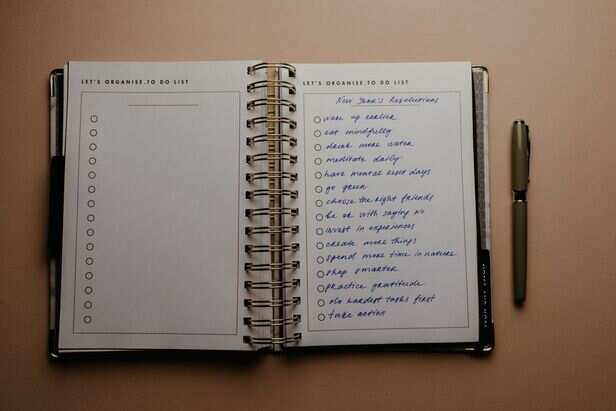
Keeping track of your efforts can help you stay motivated. You can use a notebook, calendar, or habit tracker to record each successful day.
Seeing your progress reminds you that your efforts are paying off.
You can also celebrate small achievements, such as:
Stress is one of the biggest reasons people return to old habits. Finding healthy ways to relax can reduce the urge to repeat harmful behaviors.
Helpful stress-relief activities include:
Changing habits is easier when you are not doing it alone. Share your goal with someone you trust.
Friends, family members, or coworkers can encourage you, celebrate your progress, and remind you of your goals when you feel discouraged.
Some people also find support groups or online communities helpful because they can learn from others who are working toward similar goals.
Focus on Your Identity
Instead of only thinking about what you want to stop doing, think about the type of person you want to become.
Rather than saying:
"I am trying to stop smoking."
Think:
"I am someone who values a healthy lifestyle."
Instead of saying:
"I am trying to stop procrastinating."
Think:
"I am someone who completes tasks on time."
This small shift helps your actions match the person you want to be.
Everyone experiences setbacks while changing habits. The important thing is to treat them as learning opportunities rather than failures.
Ask yourself:
Breaking bad habits is not only about stopping negative behaviors. It is also about creating a healthier, happier life.
Notice the positive changes that come with your new habits.
You may have:
![Keep Moving Forward]()
Breaking bad habits is a journey that requires patience, awareness, and consistent effort. Every small decision you make each day shapes your future habits. By understanding your triggers, replacing unhealthy behaviors with positive ones, creating supportive routines, and learning from setbacks, you can build lasting change. The goal is not to become perfect but to make better choices more often. Over time, these small actions become part of your daily life, helping you create healthier habits that last for years to come.
Unlock insightful tips and inspiration on personal growth, productivity, and well-being. Stay motivated and updated with the latest at My Life XP.
Many people believe they simply need more willpower to change. In reality, breaking a habit is more about changing your environment, understanding your triggers, and creating better routines. Lasting change usually happens through small, consistent steps rather than sudden dramatic changes.
Understand Why the Habit Exists
Every habit serves a purpose, even if it is harmful. Some habits reduce stress, while others provide comfort, entertainment, or a temporary escape from boredom. Before trying to stop a habit, ask yourself why you do it.
For example:
- Do you snack when you feel stressed?
- Do you scroll through social media when you are bored?
- Do you procrastinate because a task feels overwhelming?
Identify Your Triggers

Identify Your Triggers
Image credit : Pexels
Most habits begin with a trigger. A trigger is something that encourages you to repeat a certain behavior. It could be a feeling, a place, a time of day, or even certain people.
Common habit triggers include:
- Stress or anxiety
- Boredom
- Loneliness
- Fatigue
- Certain locations
- Social situations
Replace the Habit Instead of Simply Stopping It

Replace the Habit Instead of Simply Stopping It
Image credit : Pexels
Trying to stop a habit without replacing it often leaves an empty space in your routine. Your brain naturally looks for something to fill that gap.
For example:
- Replace unhealthy snacks with fruit or nuts.
- Replace endless phone scrolling with reading a book.
- Replace smoking breaks with short walks.
- Replace stress eating with deep breathing or stretching.
Start with Small Changes
Many people fail because they try to change everything at once. Large goals can feel overwhelming, making it easier to give up.
Instead of saying, "I will never eat junk food again," try saying, "I will eat one healthy meal every day."
Instead of deciding to exercise for an hour, begin with ten or fifteen minutes.
Small improvements may seem slow, but they are much easier to maintain. As these changes become part of your routine, you can gradually build on them.
Make the Bad Habit Less Convenient
Your environment plays a huge role in your daily behavior. If something is easy to access, you are more likely to do it.
Make bad habits harder by creating obstacles.
For example:
- Keep unhealthy snacks out of your home.
- Remove distracting apps from your phone.
- Turn off unnecessary notifications.
- Keep your television remote in another room.
- Store tempting items out of sight.
Make Good Habits Easy
Just as you can make bad habits harder, you can make good habits easier.
If you want to exercise, place your workout clothes where you can see them.
If you want to drink more water, keep a water bottle on your desk.
If you want to read more, leave a book beside your bed instead of your phone.
The easier a positive habit becomes, the more likely you are to repeat it every day.
Be Patient with Yourself
Habits do not disappear overnight. Some days will feel easier than others. You may even slip back into old patterns.
One mistake does not erase your progress.
If you miss a day or repeat the habit, avoid thinking that you have failed. Instead, ask yourself what caused the setback and continue with your plan the next day.
Progress is built through consistency, not perfection.
Track Your Progress
Track Your Progress
Image credit : Pexels
Keeping track of your efforts can help you stay motivated. You can use a notebook, calendar, or habit tracker to record each successful day.
Seeing your progress reminds you that your efforts are paying off.
You can also celebrate small achievements, such as:
- One week without the habit.
- Completing your daily goal.
- Reaching your first month of consistent progress.
Manage Stress in Healthy Ways
Stress is one of the biggest reasons people return to old habits. Finding healthy ways to relax can reduce the urge to repeat harmful behaviors.
Helpful stress-relief activities include:
- Taking a short walk
- Practicing deep breathing
- Listening to calming music
- Journaling your thoughts
- Talking to a trusted friend
- Spending time outdoors
Build a Support System
Changing habits is easier when you are not doing it alone. Share your goal with someone you trust.
Friends, family members, or coworkers can encourage you, celebrate your progress, and remind you of your goals when you feel discouraged.
Some people also find support groups or online communities helpful because they can learn from others who are working toward similar goals.
Focus on Your Identity
Instead of only thinking about what you want to stop doing, think about the type of person you want to become.
Rather than saying:
"I am trying to stop smoking."
Think:
"I am someone who values a healthy lifestyle."
Instead of saying:
"I am trying to stop procrastinating."
Think:
"I am someone who completes tasks on time."
This small shift helps your actions match the person you want to be.
Learn from Setbacks
Everyone experiences setbacks while changing habits. The important thing is to treat them as learning opportunities rather than failures.
Ask yourself:
- What caused the setback?
- What can I do differently next time?
- How can I prepare for similar situations?
Celebrate Long-Term Progress
Breaking bad habits is not only about stopping negative behaviors. It is also about creating a healthier, happier life.
Notice the positive changes that come with your new habits.
You may have:
- More energy
- Better focus
- Improved health
- Greater confidence
- Reduced stress
- Better relationships
Keep Moving Forward

Keep Moving Forward
Image credit : Pexels
Breaking bad habits is a journey that requires patience, awareness, and consistent effort. Every small decision you make each day shapes your future habits. By understanding your triggers, replacing unhealthy behaviors with positive ones, creating supportive routines, and learning from setbacks, you can build lasting change. The goal is not to become perfect but to make better choices more often. Over time, these small actions become part of your daily life, helping you create healthier habits that last for years to come.
Unlock insightful tips and inspiration on personal growth, productivity, and well-being. Stay motivated and updated with the latest at My Life XP.