Why This Australia-India Deal Matters More Than You Think
Noopur Kumari | Jul 10, 2026, 10:00 IST
India's uranium agreement with Australia is not just about importing fuel. It is about securing clean electricity for future generations, strengthening energy independence, supporting climate goals, and building a reliable nuclear power network. The deal also reflects growing strategic trust between the two nations while opening a new chapter in India's journey toward sustainable development.

India, Australia sign energy security agreement, pave way for uranium trade
Image credit : IANS
India's demand for electricity is rising faster than ever as cities expand, industries grow, and millions of people require reliable power every day. While solar and wind energy continue to grow, they cannot generate electricity around the clock. That is where nuclear energy becomes important. India's latest uranium supply agreement with Australia is more than just another diplomatic deal. It is a long-term energy partnership that could strengthen the country's clean energy goals, improve energy security, and reduce dependence on fossil fuels. Here's why this agreement could become a turning point for India's future.
![India, Australia deepen strategic partnership with new defence, energy, technology agreements]()
India's electricity demand is expected to keep increasing for decades. Although the country has expanded renewable energy rapidly, it also needs a stable source of power that works day and night. Australia holds nearly one-third of the world's known uranium resources, making it one of the most reliable suppliers globally. This agreement gives India access to long-term uranium supplies while strengthening an important international partnership built on mutual trust and peaceful cooperation.
![Australia finalises deal to export uranium to India for peaceful nuclear energy: PM Albanese]()
Unlike solar panels or wind turbines, nuclear power plants generate electricity continuously regardless of weather conditions. Uranium is the fuel that powers these reactors. As India works toward reducing carbon emissions and achieving its climate commitments, nuclear energy can provide dependable electricity without releasing large amounts of greenhouse gases. This makes uranium an important part of India's broader clean energy strategy alongside renewable sources.
For many years, India struggled to secure sufficient uranium because of international restrictions following its nuclear tests. Being outside the Nuclear Non-Proliferation Treaty created obstacles in global uranium trade. Although international rules gradually changed after 2008, building trusted supply partnerships remained essential. Australia's agreement removes a major hurdle and provides India with another dependable source of nuclear fuel under strict international safeguards.
India has set an ambitious target of installing 100 gigawatts of nuclear power capacity by 2047. Achieving this goal will require consistent fuel supplies, advanced technology, and international cooperation. The uranium agreement supports this vision by ensuring fuel availability for future reactors. It also complements India's broader efforts to build cleaner industries, improve energy security, and meet rising electricity demand without relying entirely on coal.
The uranium agreement is only one part of a growing relationship between India and Australia. During the leaders' meeting, both countries also announced stronger cooperation in defence, critical minerals, and space technology. These collaborations show that the partnership is expanding beyond trade into long-term strategic cooperation. A stronger relationship benefits both nations by creating resilient supply chains and supporting regional stability.
Reliable electricity affects nearly every part of daily life, from homes and hospitals to schools and factories. A stronger nuclear energy sector can improve energy availability while reducing dependence on imported fossil fuels. Combined with renewable energy, nuclear power can help provide affordable, cleaner, and uninterrupted electricity as India's economy continues to grow and millions of new consumers join the power network.
The uranium agreement between India and Australia is more than a diplomatic milestone. It represents a strategic investment in India's future energy security and clean growth. By combining reliable uranium supplies with expanding renewable energy and modern infrastructure, India is building a more balanced energy system. While challenges remain, this partnership brings the country one step closer to achieving sustainable development, economic growth, and long-term energy independence.
Unlock insightful tips and inspiration on personal growth, productivity, and well-being. Stay motivated and updated with the latest at My Life XP.
1. Why is the Australia-India uranium deal important?
The agreement gives India access to long-term uranium supplies from Australia, helping support the country's growing nuclear energy programme and clean energy goals.
2. Will Australia supply uranium for military purposes?
No. The uranium will be supplied only for peaceful civilian use under the safeguards of the International Atomic Energy Agency (IAEA).
3. Why does India need imported uranium?
India's domestic uranium reserves are limited and not sufficient to meet the fuel requirements of its expanding nuclear power programme.
4. How will this deal benefit India's clean energy plans?
A stable uranium supply will help India expand nuclear power generation, reduce dependence on fossil fuels, and support its target of increasing non-fossil fuel electricity.
5. Why was Australia not supplying uranium to India earlier
Australia previously restricted uranium exports to countries that were not signatories to the Nuclear Non-Proliferation Treaty (NPT). Changes in international agreements and bilateral cooperation later made exports possible.
Why India Turned to Australia

India, Australia deepen strategic partnership with new defence, energy, technology agreements
Image credit : IANS
India's electricity demand is expected to keep increasing for decades. Although the country has expanded renewable energy rapidly, it also needs a stable source of power that works day and night. Australia holds nearly one-third of the world's known uranium resources, making it one of the most reliable suppliers globally. This agreement gives India access to long-term uranium supplies while strengthening an important international partnership built on mutual trust and peaceful cooperation.
Why Uranium Matters for Clean Energy
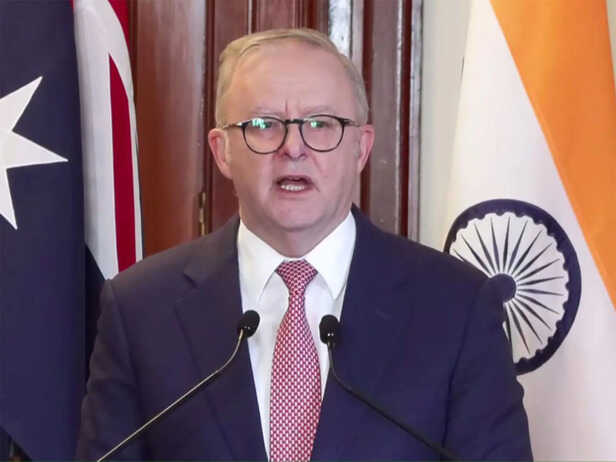
Australia finalises deal to export uranium to India for peaceful nuclear energy: PM Albanese
Image credit : ANI
Unlike solar panels or wind turbines, nuclear power plants generate electricity continuously regardless of weather conditions. Uranium is the fuel that powers these reactors. As India works toward reducing carbon emissions and achieving its climate commitments, nuclear energy can provide dependable electricity without releasing large amounts of greenhouse gases. This makes uranium an important part of India's broader clean energy strategy alongside renewable sources.
The Challenge India Faced for Years
A Bigger Goal Than Just Electricity
More Than an Energy Partnership
What This Means for Every Indian
A Deal That Could Shape India's Future
Unlock insightful tips and inspiration on personal growth, productivity, and well-being. Stay motivated and updated with the latest at My Life XP.
Frequently Asked Questions (FAQs)
The agreement gives India access to long-term uranium supplies from Australia, helping support the country's growing nuclear energy programme and clean energy goals.
2. Will Australia supply uranium for military purposes?
No. The uranium will be supplied only for peaceful civilian use under the safeguards of the International Atomic Energy Agency (IAEA).
3. Why does India need imported uranium?
India's domestic uranium reserves are limited and not sufficient to meet the fuel requirements of its expanding nuclear power programme.
4. How will this deal benefit India's clean energy plans?
A stable uranium supply will help India expand nuclear power generation, reduce dependence on fossil fuels, and support its target of increasing non-fossil fuel electricity.
5. Why was Australia not supplying uranium to India earlier
Australia previously restricted uranium exports to countries that were not signatories to the Nuclear Non-Proliferation Treaty (NPT). Changes in international agreements and bilateral cooperation later made exports possible.