The human papillomavirus (HPV) is a common group of viruses that can spread through intimate skin-to-skin contact, including sexual contact. While many HPV infections clear naturally, some types can persist and cause health problems, including cervical cancer.
The HPV vaccine is most effective when given before a person is exposed to the virus. This is why health authorities recommend vaccination during early adolescence, generally between the ages of 9 and 14.In India, the government's HPV vaccination initiative focuses on eligible 14-year-old girls. The aim is to provide protection before potential exposure to HPV later in life.Vaccinating at this age is not about assuming that teenagers are sexually active. It is about preventing an infection before exposure becomes possible.
How Does the HPV Vaccine Protect Against Cervical Cancer?
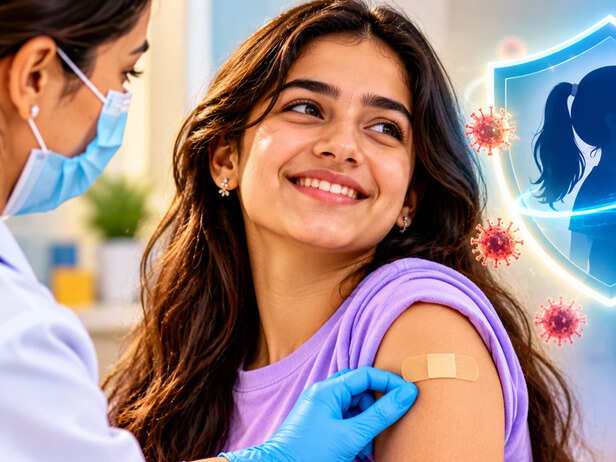
![HPV Vaccine at Age 14: Why Early Protection Matters]()
HPV Vaccine at Age 14: Why Early Protection Matters
Image credit : ChatGPT AI
HPV includes many different types, but some are considered high-risk because persistent infection with them can lead to cancer.Certain HPV types are responsible for most cervical cancer cases. Other types can cause genital warts.The HPV vaccine helps the immune system recognise and fight specific HPV types. It uses virus-like particles that trigger an immune response without containing live HPV or causing HPV infection.
Depending on the vaccine used, it can protect against several high-risk HPV types and, in some cases, types that cause genital warts.By preventing infection with targeted HPV types, vaccination significantly reduces the risk of developing cervical precancers and cervical cancer later in life.
Why Is Early Vaccination More Effective?
There are several reasons health experts recommend HPV vaccination during adolescence.
1. Protection Before Exposure to HPV
The vaccine works best before exposure to the virus. Giving it during early adolescence helps build protection before a person may encounter HPV.
2. Strong Immune Response
Younger adolescents generally develop a strong immune response to the HPV vaccine. This makes early vaccination an effective preventive approach.
3. Long-Term Protection
HPV vaccination provides protection against targeted virus types for many years. Research and ongoing monitoring continue to support its effectiveness and safety.
4. Prevention of Future Health Problems
Persistent infection with high-risk HPV types can lead to cervical cancer over time. Vaccination helps reduce the risk of infection and related complications.
Does the HPV Vaccine Prevent Only Cervical Cancer?
No. Although cervical cancer prevention is a major reason for HPV vaccination, the vaccine can also help prevent other HPV-related diseases.Depending on the vaccine, protection may extend to:
- Certain cancers of the vulva and vagina.
- Anal cancer.
- Some cancers of the penis.
- Certain cancers of the mouth and throat.
- Genital warts caused by specific HPV types.
HPV affects people of all genders. Vaccinating eligible individuals can help reduce the spread of HPV and prevent several related diseases.
Is the HPV Vaccine Safe for 14-Year-Old Girls?
The HPV vaccine has been studied extensively and is used in vaccination programmes across many countries.
Most side effects are mild and temporary. These may include:
- Pain, redness or swelling at the injection site.
- Mild fever.
- Headache.
- Tiredness.
- Dizziness or nausea.
Some teenagers may feel faint after receiving an injection. Healthcare providers may recommend sitting or lying down during vaccination and remaining under observation for around 15 minutes afterwards.Severe allergic reactions are rare. Anyone with a history of a serious allergic reaction to a previous dose or a vaccine ingredient should inform the healthcare provider before vaccination.Parents should discuss any specific health concerns with a doctor or vaccination professional.
How Many HPV Vaccine Doses Are Needed?
The number of doses depends on the person's age, immune status and the vaccine used.For many healthy adolescents who start vaccination before their 15th birthday, international recommendations support a two-dose schedule, generally given several months apart. Some national programmes and vaccine products may follow a different schedule.India's current government campaign uses a single-dose schedule for its eligible 14-year-old girls. Parents should follow the schedule recommended under the programme and confirm the vaccine details with the healthcare provider.People with weakened immune systems may need additional doses, depending on applicable medical guidance.
Can Women Get the HPV Vaccine After Age 14?
Yes. HPV vaccination is not limited to 14-year-old girls.People who missed vaccination during early adolescence may still benefit from it at older ages. However, the potential benefit depends on age, previous HPV exposure and individual health circumstances.The vaccine is generally recommended as catch-up vaccination for those who missed earlier doses, within the age limits set by local guidelines.Adults should consult a healthcare professional to understand whether vaccination is suitable for them.
Does HPV Vaccination Mean Cervical Cancer Screening Is No Longer Needed?
No. This is one of the most important points to understand.The HPV vaccine protects against specific HPV types, but it does not prevent every infection that can cause cervical cancer. Therefore, vaccinated women still need cervical cancer screening according to recommended age groups and medical guidelines.Screening tests, such as HPV testing and Pap tests, can help identify high-risk HPV infections or abnormal cervical cells before they develop into cancer.Vaccination and screening work together. One helps prevent infection, while the other helps detect possible problems early.
What Should Parents Know Before Their Daughter Gets Vaccinated?
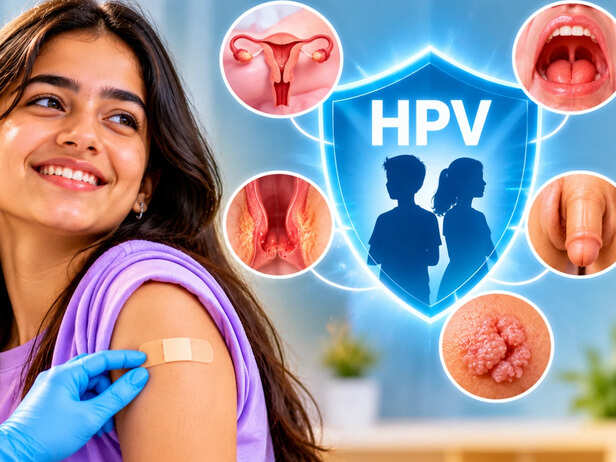
![HPV Vaccination and Protection]()
HPV Vaccination and Protection
Image credit : ChatGPT AI
Parents can take a few simple steps before vaccination:
- Confirm their daughter's eligibility under the local vaccination programme.
- Discuss any previous severe allergic reactions or relevant medical history with the healthcare provider.
- Ask which HPV vaccine is being administered and understand the recommended dose schedule.
- Follow the instructions provided by the vaccination centre.
- Keep the vaccination record safely for future reference.
If a teenager is unwell with a moderate or severe illness, the vaccination provider can advise whether the dose should be postponed.
Early Protection Can Make a Difference
Cervical cancer is one of the major health concerns affecting women, but many cases are linked to HPV infections that can be prevented through vaccination.Giving the HPV vaccine at age 14 offers an opportunity to build protection before exposure to the virus. It is a preventive step that can benefit girls throughout their lives.For parents, understanding the vaccine, its safety and the importance of regular screening can help them make informed decisions. Early vaccination, awareness and timely medical care together can play an important role in reducing the future burden of cervical cancer.
Experiencing frequent stress, fatigue, or health challenges? Your name energy may be worth exploring. Check it here.Unlock insightful tips and inspiration on personal growth, productivity, and well-being. Stay motivated and updated with the latest at
My Life XP.