Most Extreme Injuries Humans Survived – Real Cases
Deepak Rajeev | Sat, 02 May 2026
This article explores real-life cases of humans surviving extreme and life-threatening injuries that challenge medical expectations. From severe trauma and brain injuries to massive blood loss and extreme conditions, these survival stories reveal the limits and resilience of the human body. Modern emergency medicine, rapid response, and physiology all play a key role in turning near-fatal situations into survival outcomes.

Busy day of surgeon
Image credit : Freepik
Human survival has always pushed the boundaries of what medicine and biology consider possible. There are documented cases where individuals have survived injuries so severe that, on paper, they should have been fatal. These cases are not just shocking stories but also important medical references that help doctors understand the resilience and limits of the human body. While every case is different, they all reveal one consistent truth: the human body can sometimes endure far more than expected when emergency care, timing, and physiology align.
![Closeup of brain mri scan result]()
One of the most medically extraordinary survival scenarios involves penetrating brain injuries, where objects enter the skull and damage brain tissue. In rare documented cases, individuals have survived injuries involving nails, metal rods, or construction tools passing through the brain. Survival depends heavily on which regions are affected and how quickly emergency treatment is provided.
Medical literature shows that if critical areas controlling breathing and heart function are not severely damaged, survival is possible, although recovery varies widely. In some cases, patients not only survive but regain partial or near-complete function after intensive rehabilitation. These cases challenge earlier assumptions that brain penetration is universally fatal and highlight the brain’s unpredictable capacity for adaptation.
![Red blood cells]()
Severe blood loss is one of the most immediate life-threatening conditions a human can face. The body relies on blood pressure and oxygen delivery to sustain vital organs, and even a small delay in treatment can be fatal. However, trauma medicine has recorded cases where individuals survived after losing an astonishing percentage of blood volume due to rapid emergency response and transfusion systems. Modern trauma care uses rapid transfusion protocols and emergency surgery to stabilise patients who would previously have had no chance of survival. These cases demonstrate that survival is not only about the severity of injury but also about how quickly the medical system can intervene.
Car accidents, industrial incidents, and falls from extreme heights often produce what doctors classify as multi-system trauma, where several major organs are injured at once. Despite this, there are well-documented cases of survival even after catastrophic events such as vehicle explosions or high-speed impacts.
What makes these cases medically significant is not just survival but stabilisation against multiple simultaneous failures in the body, such as collapsed lungs, fractured bones, and internal bleeding. Emergency medicine has evolved significantly in handling such cases, and survival rates in severe trauma have improved over decades due to faster response systems and advanced surgical techniques.
The human body operates within a narrow temperature range, yet there are recorded cases of survival in both extreme cold and extreme heat conditions. In cases of accidental hypothermia, the body’s metabolism slows dramatically, sometimes preserving brain function longer than expected. This has led to rare survival stories where individuals were revived after prolonged exposure to freezing environments. Similarly, in extreme heat exposure cases, survival depends on rapid cooling and hydration. While such conditions are extremely dangerous, they also reveal how the body can temporarily adapt under critical stress, especially when medical intervention restores balance quickly.
Across all extreme injury survival cases, a few consistent factors emerge. The first is timing, where rapid emergency response significantly increases survival probability. The second is physiology, as individual differences in body structure, age, and health play a role in resilience. The third is medical advancement, where modern trauma care has transformed once-fatal injuries into survivable emergencies.
These cases do not suggest that the human body is indestructible, but rather that it has complex layers of resilience that are still being studied. Even today, medicine continues to discover how and why some individuals survive injuries that appear incompatible with life.
Despite all advances in science, extreme injury survival cases continue to challenge medical understanding. Each case adds valuable data that helps improve emergency care, surgical techniques, and rehabilitation strategies. While survival is never guaranteed, these real cases demonstrate that the boundary between life and death is sometimes more complex than it appears.And even now, there are aspects of human survival, neurological response, and recovery that are not fully understood, reminding us that the human body still holds many unanswered questions.
Unlock insightful tips and inspiration on personal growth, productivity, and well-being. Stay motivated and updated with the latest at My Life XP.
Surviving Penetrating Brain Injuries Against All Odds
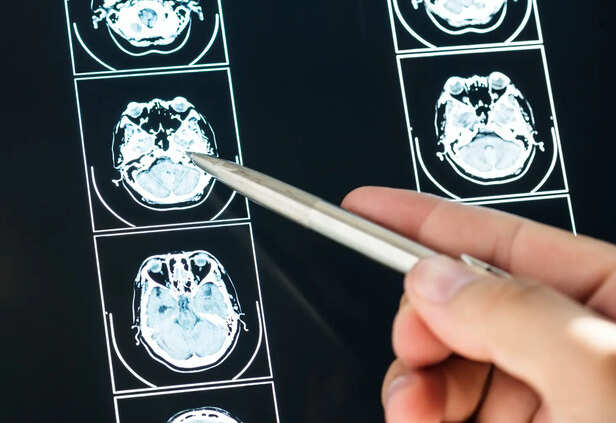
Closeup of brain mri scan result
Image credit : Freepik
One of the most medically extraordinary survival scenarios involves penetrating brain injuries, where objects enter the skull and damage brain tissue. In rare documented cases, individuals have survived injuries involving nails, metal rods, or construction tools passing through the brain. Survival depends heavily on which regions are affected and how quickly emergency treatment is provided.
Medical literature shows that if critical areas controlling breathing and heart function are not severely damaged, survival is possible, although recovery varies widely. In some cases, patients not only survive but regain partial or near-complete function after intensive rehabilitation. These cases challenge earlier assumptions that brain penetration is universally fatal and highlight the brain’s unpredictable capacity for adaptation.
Extreme Blood Loss and the Body’s Survival Window
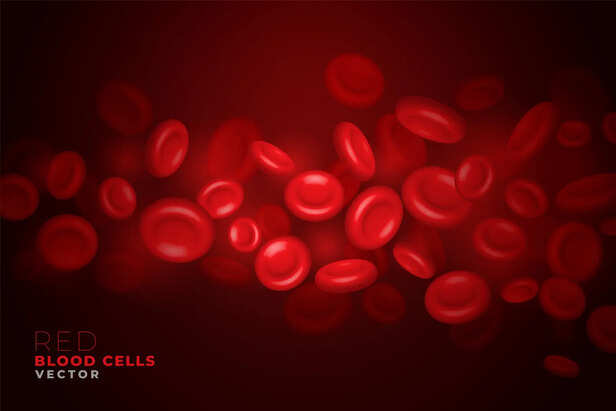
Red blood cells
Image credit : Freepik
Severe blood loss is one of the most immediate life-threatening conditions a human can face. The body relies on blood pressure and oxygen delivery to sustain vital organs, and even a small delay in treatment can be fatal. However, trauma medicine has recorded cases where individuals survived after losing an astonishing percentage of blood volume due to rapid emergency response and transfusion systems. Modern trauma care uses rapid transfusion protocols and emergency surgery to stabilise patients who would previously have had no chance of survival. These cases demonstrate that survival is not only about the severity of injury but also about how quickly the medical system can intervene.
High-Impact Trauma Survivals That Defied Expectations
Car accidents, industrial incidents, and falls from extreme heights often produce what doctors classify as multi-system trauma, where several major organs are injured at once. Despite this, there are well-documented cases of survival even after catastrophic events such as vehicle explosions or high-speed impacts.
What makes these cases medically significant is not just survival but stabilisation against multiple simultaneous failures in the body, such as collapsed lungs, fractured bones, and internal bleeding. Emergency medicine has evolved significantly in handling such cases, and survival rates in severe trauma have improved over decades due to faster response systems and advanced surgical techniques.
Extreme Temperature Exposure and Human Resilience
The human body operates within a narrow temperature range, yet there are recorded cases of survival in both extreme cold and extreme heat conditions. In cases of accidental hypothermia, the body’s metabolism slows dramatically, sometimes preserving brain function longer than expected. This has led to rare survival stories where individuals were revived after prolonged exposure to freezing environments. Similarly, in extreme heat exposure cases, survival depends on rapid cooling and hydration. While such conditions are extremely dangerous, they also reveal how the body can temporarily adapt under critical stress, especially when medical intervention restores balance quickly.
The Hidden Science Behind Survival Against All Odds
Across all extreme injury survival cases, a few consistent factors emerge. The first is timing, where rapid emergency response significantly increases survival probability. The second is physiology, as individual differences in body structure, age, and health play a role in resilience. The third is medical advancement, where modern trauma care has transformed once-fatal injuries into survivable emergencies.
These cases do not suggest that the human body is indestructible, but rather that it has complex layers of resilience that are still being studied. Even today, medicine continues to discover how and why some individuals survive injuries that appear incompatible with life.
A Reality That Still Surprises Medicine
Despite all advances in science, extreme injury survival cases continue to challenge medical understanding. Each case adds valuable data that helps improve emergency care, surgical techniques, and rehabilitation strategies. While survival is never guaranteed, these real cases demonstrate that the boundary between life and death is sometimes more complex than it appears.And even now, there are aspects of human survival, neurological response, and recovery that are not fully understood, reminding us that the human body still holds many unanswered questions.
Unlock insightful tips and inspiration on personal growth, productivity, and well-being. Stay motivated and updated with the latest at My Life XP.