Nipah Virus Truths vs Myths Essential Medical Facts Everyone Should Know
Noopur Kumari | Wed, 04 Feb 2026
Nipah virus outbreaks often spark fear due to widespread misinformation. Many people believe it spreads easily or is always fatal, but doctors emphasize that this is not true. The virus requires close contact with infected individuals or animals, and simple hygiene practices like washing hands, avoiding raw date palm sap, and reporting symptoms early can prevent infection. Understanding these facts reduces panic and protects communities. By trusting science and expert guidance, people can stay safe without unnecessary fear. Accurate knowledge about Nipah virus empowers families, saves lives, and helps society respond calmly during outbreaks.

Nipah Virus
Image credit : AI
Whenever Nipah virus news appears, fear spreads faster than facts. Misleading social media posts, old videos, and half-truth messages create unnecessary panic. Doctors warn that this fear can be more harmful than the virus itself. Nipah is serious, but it is preventable and controllable with the right knowledge. Simple precautions like avoiding contact with infected individuals, washing hands regularly, and reporting symptoms early can save lives. Understanding the truth helps people act wisely instead of reacting emotionally. This article debunks common myths and presents medical facts clearly so everyone can stay alert without panic.
![Understanding How Nipah Virus Spreads]()
Nipah virus does not spread through the air like common respiratory infections. Doctors clarify that it mainly transmits through direct contact with bat saliva, bat urine, or body fluids of an infected person. Casual interactions like walking past someone or sitting nearby do not cause infection. Human-to-human transmission occurs only after prolonged close contact, especially when caring for patients. This makes early isolation, hygiene, and safety measures highly effective. Understanding how Nipah spreads reduces unnecessary panic and helps families take smart precautions. Accurate knowledge empowers communities, protects lives, and ensures calm, informed responses during outbreaks.
![Nipah Recovery Is Possible]()
Although Nipah virus has a high mortality rate, it is not a guaranteed death sentence. Many patients recover with timely medical care. Doctors emphasize that early hospital treatment, proper hydration, and breathing support significantly improve chances of survival. Fear and panic often delay medical attention, increasing risk. Detecting the infection early and acting calmly can save lives. Understanding this empowers families to respond wisely rather than react emotionally. Accurate knowledge about Nipah reduces anxiety, promotes timely treatment, and ensures better outcomes. Staying informed and vigilant is the key to surviving and controlling outbreaks effectively.
![Simple Steps That Prevent Nipah]()
Prevention of Nipah virus is possible even without a vaccine. Doctors recommend boiling date palm sap, avoiding fruits bitten by bats, and practicing regular hand hygiene. Wearing protective gear while caring for patients is crucial to block the main routes of infection. Awareness and responsible behavior are the first line of defense. Families and communities can protect themselves by following simple safety measures. Understanding how Nipah spreads and acting wisely reduces panic and prevents outbreaks. Accurate knowledge empowers people to stay safe, take timely precautions, and respond calmly during infections. Prevention begins with informed action.
Medical history shows that Nipah virus outbreaks can be controlled with prompt action. Kerala’s response provides a strong example. Strict isolation, efficient contact tracing, and active public cooperation successfully limited the spread. Doctors emphasize that rapid intervention and disciplined measures save lives. Nipah requires focus and responsible behavior, not fear or panic. When health systems and communities work together, outbreaks remain small and manageable. Understanding this empowers people to act wisely, follow guidelines, and protect themselves and their families. Accurate knowledge and collective action are key to controlling Nipah effectively and safely.
Fear during Nipah virus outbreaks creates confusion, stigma, and delays in seeking treatment. Doctors emphasize that misinformation can cause more harm than the virus itself. Science-based awareness helps people act responsibly, take timely precautions, and protect their families. Calm understanding encourages trust in healthcare guidance and promotes community safety. The focus should not be on panic but on staying informed and alert. By separating facts from rumors, individuals can make wise decisions, support patients without stigma, and reduce the spread of infection. Knowledge and vigilance are the most powerful tools against Nipah virus outbreaks.
Nipah virus demands respect, not panic. Doctors emphasize that understanding the science, taking early action, and practicing responsible behavior are the most effective ways to save lives. In today’s world of fast-spreading rumors and misinformation, accurate knowledge becomes the strongest protection against infection. When fear subsides and informed action takes its place, communities stay safer and healthier. Following hygiene measures, reporting symptoms early, and supporting patients responsibly improves outcomes for everyone. Awareness and calm decision-making reduce panic, stigma, and risk. By staying informed and vigilant, individuals can protect themselves, their families, and society from the dangers of Nipah virus.
Unlock insightful tips and inspiration on personal growth, productivity, and well-being. Stay motivated and updated with the latest at My Life XP.
1. What is Nipah virus and how dangerous is it?
Nipah virus is a zoonotic infection transmitted mainly from bats to humans and through close contact with infected individuals. While it has a high mortality rate, timely medical care can save lives. Understanding its transmission reduces unnecessary fear.
2. Can Nipah virus spread through casual contact?
No. Nipah does not float freely in the air. It spreads through direct contact with bat saliva, bat urine, or body fluids of infected patients. Casual interactions like walking past someone do not cause infection.
3. Are there vaccines or medicines for Nipah virus?
Currently, there is no specific vaccine. Prevention relies on hygiene, avoiding contaminated food, and early medical attention. Supportive treatment like hydration and breathing support significantly improves recovery.
4. What are the key ways to prevent infection?
Boil date palm sap, avoid fruits bitten by bats, maintain hand hygiene, and use protective gear when caring for patients. Awareness and responsible behavior are the most effective tools for protection.
5. Does fear make Nipah virus more dangerous?
Yes. Panic delays treatment, increases stigma, and spreads misinformation. Calm understanding, trust in science, and early action save lives and reduce community risk.
6. What should I do if someone shows symptoms?
Seek immediate medical attention. Isolate the person safely, follow hygiene protocols, and inform healthcare authorities. Early intervention improves chances of survival.
Myth 1: Nipah Spreads Easily Like Flu or COVID
Understanding How Nipah Virus Spreads
Image credit : Freepik
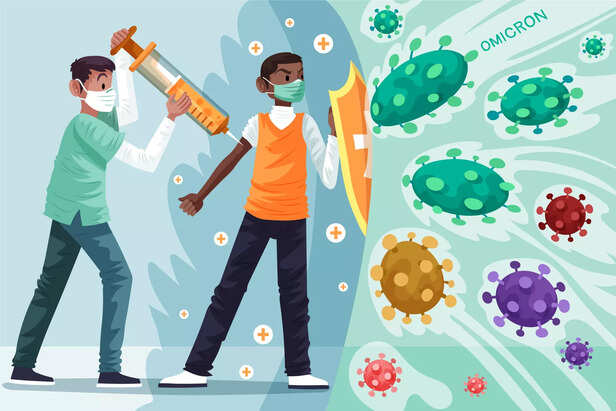
Nipah virus does not spread through the air like common respiratory infections. Doctors clarify that it mainly transmits through direct contact with bat saliva, bat urine, or body fluids of an infected person. Casual interactions like walking past someone or sitting nearby do not cause infection. Human-to-human transmission occurs only after prolonged close contact, especially when caring for patients. This makes early isolation, hygiene, and safety measures highly effective. Understanding how Nipah spreads reduces unnecessary panic and helps families take smart precautions. Accurate knowledge empowers communities, protects lives, and ensures calm, informed responses during outbreaks.
Myth 2: Nipah Infection Always Leads to Death
Nipah Recovery Is Possible
Image credit : Freepik
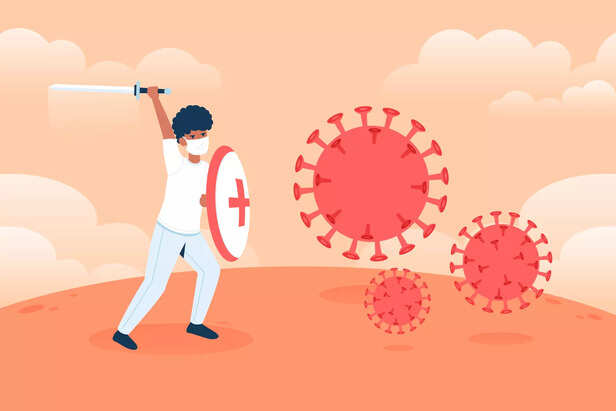
Although Nipah virus has a high mortality rate, it is not a guaranteed death sentence. Many patients recover with timely medical care. Doctors emphasize that early hospital treatment, proper hydration, and breathing support significantly improve chances of survival. Fear and panic often delay medical attention, increasing risk. Detecting the infection early and acting calmly can save lives. Understanding this empowers families to respond wisely rather than react emotionally. Accurate knowledge about Nipah reduces anxiety, promotes timely treatment, and ensures better outcomes. Staying informed and vigilant is the key to surviving and controlling outbreaks effectively.
Myth 3:There Is No Way to Prevent Nipah

Simple Steps That Prevent Nipah
Image credit : Freepik
Prevention of Nipah virus is possible even without a vaccine. Doctors recommend boiling date palm sap, avoiding fruits bitten by bats, and practicing regular hand hygiene. Wearing protective gear while caring for patients is crucial to block the main routes of infection. Awareness and responsible behavior are the first line of defense. Families and communities can protect themselves by following simple safety measures. Understanding how Nipah spreads and acting wisely reduces panic and prevents outbreaks. Accurate knowledge empowers people to stay safe, take timely precautions, and respond calmly during infections. Prevention begins with informed action.
Myth 4: Nipah Is Impossible to Control Once It Appears
Myth 5:Fear Is the Best Protection
Everyone Is Afraid of Nipah
Unlock insightful tips and inspiration on personal growth, productivity, and well-being. Stay motivated and updated with the latest at My Life XP.
Frequently Asked Questions (FAQs)
Nipah virus is a zoonotic infection transmitted mainly from bats to humans and through close contact with infected individuals. While it has a high mortality rate, timely medical care can save lives. Understanding its transmission reduces unnecessary fear.
2. Can Nipah virus spread through casual contact?
No. Nipah does not float freely in the air. It spreads through direct contact with bat saliva, bat urine, or body fluids of infected patients. Casual interactions like walking past someone do not cause infection.
3. Are there vaccines or medicines for Nipah virus?
Currently, there is no specific vaccine. Prevention relies on hygiene, avoiding contaminated food, and early medical attention. Supportive treatment like hydration and breathing support significantly improves recovery.
4. What are the key ways to prevent infection?
Boil date palm sap, avoid fruits bitten by bats, maintain hand hygiene, and use protective gear when caring for patients. Awareness and responsible behavior are the most effective tools for protection.
5. Does fear make Nipah virus more dangerous?
Yes. Panic delays treatment, increases stigma, and spreads misinformation. Calm understanding, trust in science, and early action save lives and reduce community risk.
6. What should I do if someone shows symptoms?
Seek immediate medical attention. Isolate the person safely, follow hygiene protocols, and inform healthcare authorities. Early intervention improves chances of survival.