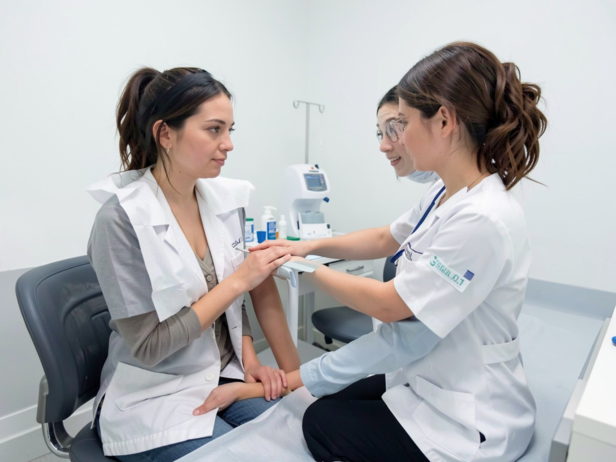
In busy routines filled with work, family, and responsibilities, many women postpone their own health appointments. However, annual health checkups are not optional they are preventive tools that can detect serious conditions early. According to global health organizations like the World Health Organization and Centers for Disease Control and Prevention, preventive screening significantly reduces the risk of advanced disease and complications. Here are five evidence-based reasons why women should never skip their annual health checkup :-
![One Appointment Of Women]()
One Appointment Of Women
Image credit : Freepik
1. Early Detection Saves Lives
Many serious diseases show no symptoms in early stages, including:
• Breast cancer
• Cervical cancer
• High blood pressure
• Diabetes
Routine screenings such as mammograms, Pap smears, and blood tests can detect problems before they become life-threatening.
Early detection increases survival rates and reduces treatment complexity.
![One Appointment Of Women]()
One Appointment Of Women
Image credit : Freepik
2. Heart Disease Is a Leading Risk
Many people believe heart disease mainly affects men. However, it is one of the leading causes of death among women globally.
Annual checkups monitor:
• Blood pressure
• Cholesterol levels
• Blood sugar
• Body mass index (BMI)
These factors help identify cardiovascular risk early.
3. Hormonal & Reproductive Health Monitoring
Women’s bodies go through hormonal changes across life stages:
• Menstrual health
• Pregnancy
• PCOS
• Perimenopause
• Menopause
Annual visits allow doctors to track hormonal balance, reproductive health, and detect conditions like thyroid disorders or ovarian cysts early.
![One Appointment Of Women]()
One Appointment Of Women
Image credit : Freepik
4. Mental Health Screening Matters
Anxiety, depression, and stress-related disorders are increasingly common among women.
Many annual checkups now include:
• Mental health screening questionnaires
• Stress evaluation
• Lifestyle assessment
Early identification improves outcomes and prevents long-term impact.
5. Prevention Is More Affordable Than Treatment
Treating advanced illness is emotionally and financially expensive.
Preventive screenings help:
• Reduce hospitalization
• Lower long-term treatment costs
• Improve quality of life
Regular monitoring also creates a medical history record that helps doctors identify patterns over time.
- How often should women have a full health checkup?
Generally once a year, but frequency may vary depending on age and medical history. - What tests are usually included?
Blood tests, blood pressure check, cholesterol screening, Pap smear (as advised), breast exam, and sometimes thyroid testing. - Do young women need annual screenings?
Yes. Preventive care is important at every age.Yes. Preventive care is important at every age.