What Happens to Your Body After 3 Days in 45°C Heat
Palak Khanna | May 26, 2026, 20:00 IST
A heatwave is not just “summer feeling hotter than usual.” When temperatures touch 45°C for several days in a row, the human body begins to struggle in dangerous ways. From dehydration and sleep disruption to heat exhaustion and organ stress, prolonged exposure can silently damage health even in young and healthy people. Here’s what doctors say happens inside your body after three continuous days of extreme heat and the warning signs you should never ignore.

When the temperature climbs to 45°C, your body enters survival mode. Sweating, increased heart rate, fatigue, headaches, and irritability are not random summer discomforts. They are biological alarms. Most people think heat becomes dangerous only when someone collapses outdoors. But doctors warn that damage often starts much earlier and builds slowly over consecutive days. Your body loses water, salt, sleep, and energy faster than it can recover. After three straight days of extreme heat, even healthy adults can begin experiencing symptoms that affect the brain, heart, kidneys, and nervous system. The frightening part is that many people mistake these signs for normal tiredness.
![Surviving Day One of a 45°C Heatwave]()
The first 24 hours of extreme heat force the body to work overtime. Sweat production increases rapidly to cool the skin, and blood vessels expand to release heat. This sounds normal, but it comes at a cost. Your heart has to pump harder to circulate blood toward the skin. This can lead to dizziness, headaches, low blood pressure, and unusual tiredness. People often notice brain fog or irritation because dehydration affects concentration surprisingly quickly. Even mild dehydration can reduce energy levels and physical performance. By the end of the first day, your body may already be low on electrolytes like sodium and potassium, especially if you are drinking only water and not replacing salts.
![Day Two: When Dehydration Starts Taking Over]()
By the second consecutive day, recovery becomes difficult. The body has not fully cooled down overnight, especially in cities where concrete traps heat even after sunset. Doctors often describe this as “cumulative heat stress.” Sleep quality drops because the body struggles to regulate internal temperature during the night. Poor sleep then worsens fatigue, mood swings, anxiety, and concentration problems during the day. At this stage, dehydration can begin affecting the kidneys. Urine becomes darker and less frequent. Muscle cramps become common because electrolyte imbalance interferes with normal muscle function.
Many people also lose appetite during extreme heat, which further weakens the body because nutrition intake drops when it is needed most.
After three days of 45°C heat, the body may no longer regulate temperature efficiently. This is when heat exhaustion becomes a real threat. Symptoms can include: Heavy sweating, Weakness and shakiness, Rapid heartbeat, Nausea, Confusion, Fainting and Severe headaches. Doctors warn that people often ignore these symptoms because they assume they simply need rest. But untreated heat exhaustion can escalate into heatstroke, which is a medical emergency. In heatstroke, body temperature can rise above 40°C internally. The brain, heart, and kidneys begin overheating, and confusion or unconsciousness may follow. Without immediate treatment, heatstroke can become fatal.
![Why Some People Suffer More During Heatwaves]()
Urban heat is very different from natural heat. Concrete roads, glass buildings, traffic pollution, and limited green cover create what experts call the “urban heat island effect,” where cities trap heat long after sunset. This means the body never gets proper nighttime recovery, even indoors. Fans often circulate hot air instead of cooling it, and humidity can make sweating less effective. Doctors say this constant exposure is one of the biggest hidden health risks during Indian summers. Children and elderly people remain highly vulnerable, but even healthy young adults are increasingly affected during extreme heatwaves. Outdoor workers, people with diabetes or heart disease, gym-goers exercising in peak heat, individuals living without proper ventilation, and those consuming excess caffeine or alcohol are all at greater risk. Certain medications for blood pressure, allergies, or mental health can also interfere with the body’s cooling system. The real danger is not just one hot afternoon, but continuous exposure over several days without recovery.
Doctors recommend treating a heatwave like a health emergency rather than a seasonal inconvenience. Drinking water consistently throughout the day, adding electrolyte-rich fluids, avoiding direct sunlight between noon and 4 PM, and wearing loose cotton clothing can help regulate body temperature. Eating lighter meals, keeping curtains closed during the day, taking cool showers, and cooling the body before sleep are also important during extreme heat. Even small habits like carrying a water bottle outdoors, avoiding intense workouts in peak temperatures, and recognizing early warning signs like dizziness or muscle cramps can significantly reduce the risk of heat exhaustion and heatstroke.
A 45°C heatwave is not merely uncomfortable. It places the body under repeated physical stress that builds day after day. By the third day, dehydration, sleep loss, electrolyte imbalance, and internal overheating can combine into a serious health risk. Doctors say the smartest response is prevention, not endurance. Staying hydrated, avoiding direct afternoon heat, cooling the body at night, eating light but nutritious meals, and recognizing early warning signs can make the difference between recovery and emergency hospitalization. Because during extreme heat, the body does not fail suddenly. It fails gradually, one overheated day at a time.
Unlock insightful tips and inspiration on personal growth, productivity, and well-being. Stay motivated and updated with the latest at My Life XP.
Day One: Your Body Starts Fighting to Cool Itself
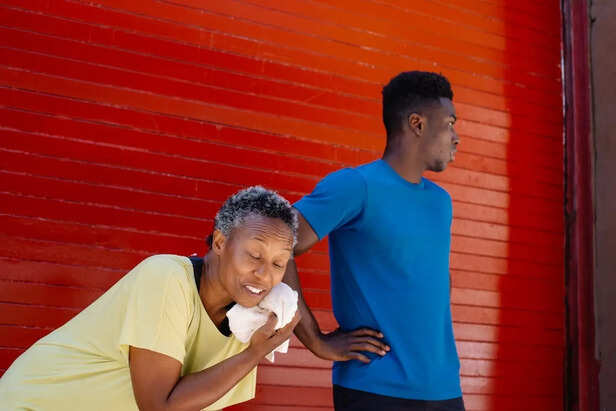
Surviving Day One of a 45°C Heatwave
The first 24 hours of extreme heat force the body to work overtime. Sweat production increases rapidly to cool the skin, and blood vessels expand to release heat. This sounds normal, but it comes at a cost. Your heart has to pump harder to circulate blood toward the skin. This can lead to dizziness, headaches, low blood pressure, and unusual tiredness. People often notice brain fog or irritation because dehydration affects concentration surprisingly quickly. Even mild dehydration can reduce energy levels and physical performance. By the end of the first day, your body may already be low on electrolytes like sodium and potassium, especially if you are drinking only water and not replacing salts.
Day Two: Dehydration Begins Affecting the Brain and Organs
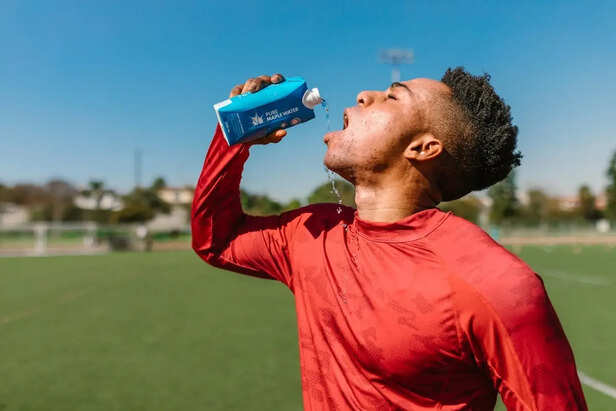
Day Two: When Dehydration Starts Taking Over
By the second consecutive day, recovery becomes difficult. The body has not fully cooled down overnight, especially in cities where concrete traps heat even after sunset. Doctors often describe this as “cumulative heat stress.” Sleep quality drops because the body struggles to regulate internal temperature during the night. Poor sleep then worsens fatigue, mood swings, anxiety, and concentration problems during the day. At this stage, dehydration can begin affecting the kidneys. Urine becomes darker and less frequent. Muscle cramps become common because electrolyte imbalance interferes with normal muscle function.
Many people also lose appetite during extreme heat, which further weakens the body because nutrition intake drops when it is needed most.
Day Three: The Risk of Heat Exhaustion Rises Sharply
Why Some People Suffer More During Heatwaves
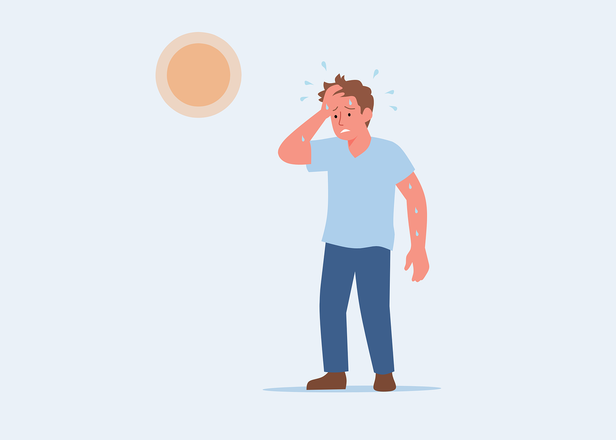
Why Some People Suffer More During Heatwaves
Urban heat is very different from natural heat. Concrete roads, glass buildings, traffic pollution, and limited green cover create what experts call the “urban heat island effect,” where cities trap heat long after sunset. This means the body never gets proper nighttime recovery, even indoors. Fans often circulate hot air instead of cooling it, and humidity can make sweating less effective. Doctors say this constant exposure is one of the biggest hidden health risks during Indian summers. Children and elderly people remain highly vulnerable, but even healthy young adults are increasingly affected during extreme heatwaves. Outdoor workers, people with diabetes or heart disease, gym-goers exercising in peak heat, individuals living without proper ventilation, and those consuming excess caffeine or alcohol are all at greater risk. Certain medications for blood pressure, allergies, or mental health can also interfere with the body’s cooling system. The real danger is not just one hot afternoon, but continuous exposure over several days without recovery.
How to Beat the Heat Before It Beats Your Body
Heatwaves Are No Longer “Just Summer”
Unlock insightful tips and inspiration on personal growth, productivity, and well-being. Stay motivated and updated with the latest at My Life XP.