How to Raise Independent and Responsible kids
Rangnai Tara | Jul 22, 2026, 19:00 IST
Raising independent and responsible children is one of the greatest gifts parents can offer. It is not about expecting perfection but about helping children learn confidence, decision-making, accountability, and everyday life skills. This article explores simple parenting strategies that encourage independence while providing the love, guidance, and support children need as they grow.

How to Raise Independent and Responsible kids
Image credit : Pexels
Every parent wants their child to grow into a confident, kind, and capable adult. While it is natural to protect children from challenges, allowing them to learn, make decisions, and take responsibility is equally important. Independence and responsibility are not qualities children are born with. They develop through daily experiences, guidance, and trust.
Children learn best when they are given opportunities to try new things, solve problems, and understand the results of their choices. Parents do not need to be perfect to raise responsible children. Small, consistent habits at home can have a lasting impact on a child's growth and character.
![Start with Age-Appropriate Responsibilities]()
Giving children responsibilities that match their age helps them understand that they are valuable members of the family. Even young children can complete simple tasks like putting toys away, placing dirty clothes in a laundry basket, or helping set the dining table.
As children grow older, their responsibilities can increase. They can make their bed, organize their school bag, feed a pet, or help prepare simple meals. Teenagers can learn to manage their schedules, complete household chores, and take care of personal belongings.
The goal is not to make children do everything on their own but to help them build confidence through regular practice.
Let Children Solve Simple Problems
Parents often want to step in immediately when their child faces a challenge. While this comes from love, solving every problem for them may prevent them from developing important life skills.
Instead of giving the answer right away, ask questions that encourage thinking.
For example:
![Encourage Decision-Making.]()
Children gain confidence when they are allowed to make choices. Start with small decisions and gradually increase their responsibilities.
For younger children, this could mean choosing between two healthy snacks or selecting clothes for the day.
Older children can decide how to organize their homework schedule, choose extracurricular activities, or manage a small allowance.
Not every choice will be perfect, but each experience teaches valuable lessons about responsibility.
Being responsible means accepting the results of one's actions. Children should learn that mistakes are opportunities to grow rather than reasons to feel ashamed.
If a child forgets their homework, avoid rushing to school to deliver it every time. Experiencing the natural result helps them remember to prepare better in the future.
When children make mistakes, focus on discussing what they learned and how they can improve next time. This approach builds resilience instead of fear.
Routines provide structure and help children develop self-discipline. When children know what is expected, they become more confident in managing their daily activities.
A simple routine may include:
Children need opportunities to do things on their own. This may take more time and patience, but it is an important part of learning.
Allow younger children to pour their own water, pack their lunch with supervision, or organize their school supplies.
Older children can help plan family outings, cook simple recipes, or manage small personal tasks independently.
Parents should offer guidance when needed while resisting the urge to take over every activity.
![Teach Financial Responsibility Early]()
Money management is an important life skill that children can begin learning at a young age.
Giving children a small allowance or involving them in simple budgeting conversations teaches them the value of money. Encourage them to save for something they want instead of buying it immediately.
Children also benefit from learning the difference between needs and wants. These lessons prepare them for responsible financial habits later in life.
Children pay close attention to what parents do. They often copy behaviors more than they follow instructions.
If parents keep promises, admit mistakes, complete responsibilities, and treat others with respect, children are likely to develop the same habits.
Showing responsibility in everyday situations teaches children that these values matter in real life.
Many children become afraid of making mistakes if they believe they must always succeed.
Instead of praising only achievements, recognize effort, persistence, and improvement.
For example, instead of saying, "You are so smart," try saying, "I noticed how hard you worked on that project."
This encourages children to keep trying, even when tasks become difficult.
Teach Time Management
As children grow, managing time becomes an important responsibility.
Help them create simple schedules for homework, playtime, family activities, and rest.
Using calendars, planners, or checklists allows children to organize their day and understand the importance of meeting commitments.
These habits become valuable throughout school and adulthood.
Responsibility also includes caring about others.
Children can help siblings, assist elderly family members, participate in community activities, or contribute to household tasks.
Acts of kindness teach empathy, teamwork, and respect. They also help children understand that everyone has a role in supporting others.
Practical life skills increase independence and confidence.
Depending on their age, children can learn to:
Children feel more secure when they understand family rules and expectations.
Explain responsibilities clearly and consistently. Instead of saying, "Be good," give specific guidance like, "Please put your dishes in the sink after dinner."
Clear expectations reduce confusion and make it easier for children to succeed.
When rules are followed consistently, children develop a stronger sense of accountability.
Build Confidence Through Trust
Trust is one of the strongest ways to encourage independence.
When parents show confidence in their children's abilities, children begin to believe in themselves.
This does not mean leaving children without guidance. It means gradually giving them more freedom as they demonstrate responsibility.
Celebrating small achievements, listening to their ideas, and allowing them to handle age-appropriate tasks all strengthen their self-confidence.
Children who feel trusted are more likely to take ownership of their actions and continue developing responsible habits.
Support Emotional Growth
Independent children are also emotionally aware. Encourage them to express their feelings, talk about challenges, and ask for help when needed.
Teach them that feeling disappointed, frustrated, or nervous is a normal part of life. Instead of fixing every problem, listen carefully and help them think through possible solutions.
Children who understand and manage their emotions often become more confident, responsible, and prepared to handle life's ups and downs.
![Raising Capable Children for the Future]()
Raising independent and responsible children is a gradual process that requires patience, encouragement, and consistency. Every small responsibility, thoughtful conversation, and opportunity to make decisions helps children grow into confident individuals who can handle challenges with resilience.
Parents do not need to do everything for their children to show love. Sometimes the greatest act of love is allowing them to learn, make mistakes, and discover what they are capable of achieving. With guidance, trust, and everyday practice, children develop the skills they need to become responsible adults who contribute positively to their families, communities, and the world.
Unlock insightful tips and inspiration on personal growth, productivity, and well-being. Stay motivated and updated with the latest at My Life XP.
Children learn best when they are given opportunities to try new things, solve problems, and understand the results of their choices. Parents do not need to be perfect to raise responsible children. Small, consistent habits at home can have a lasting impact on a child's growth and character.
Start with Age-Appropriate Responsibilities
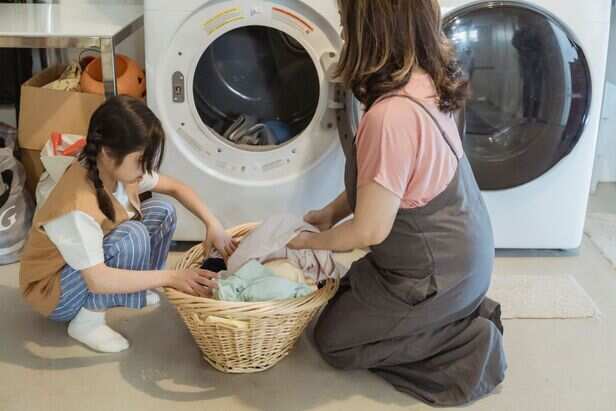
Start with Age-Appropriate Responsibilities
Image credit : Pexels
Giving children responsibilities that match their age helps them understand that they are valuable members of the family. Even young children can complete simple tasks like putting toys away, placing dirty clothes in a laundry basket, or helping set the dining table.
As children grow older, their responsibilities can increase. They can make their bed, organize their school bag, feed a pet, or help prepare simple meals. Teenagers can learn to manage their schedules, complete household chores, and take care of personal belongings.
The goal is not to make children do everything on their own but to help them build confidence through regular practice.
Let Children Solve Simple Problems
Parents often want to step in immediately when their child faces a challenge. While this comes from love, solving every problem for them may prevent them from developing important life skills.
Instead of giving the answer right away, ask questions that encourage thinking.
For example:
- "What do you think you can do?"
- "Can you think of another way to solve this?"
- "What happened the last time you faced something similar?"
Encourage Decision-Making

Encourage Decision-Making.
Image credit : Pexels
Children gain confidence when they are allowed to make choices. Start with small decisions and gradually increase their responsibilities.
For younger children, this could mean choosing between two healthy snacks or selecting clothes for the day.
Older children can decide how to organize their homework schedule, choose extracurricular activities, or manage a small allowance.
Not every choice will be perfect, but each experience teaches valuable lessons about responsibility.
Teach the Importance of Accountability
Being responsible means accepting the results of one's actions. Children should learn that mistakes are opportunities to grow rather than reasons to feel ashamed.
If a child forgets their homework, avoid rushing to school to deliver it every time. Experiencing the natural result helps them remember to prepare better in the future.
When children make mistakes, focus on discussing what they learned and how they can improve next time. This approach builds resilience instead of fear.
Create Daily Routines
Routines provide structure and help children develop self-discipline. When children know what is expected, they become more confident in managing their daily activities.
A simple routine may include:
- Waking up on time
- Making the bed
- Brushing teeth
- Completing homework before screen time
- Packing the school bag for the next day
- Helping with one household chore
Allow Safe Independence
Children need opportunities to do things on their own. This may take more time and patience, but it is an important part of learning.
Allow younger children to pour their own water, pack their lunch with supervision, or organize their school supplies.
Older children can help plan family outings, cook simple recipes, or manage small personal tasks independently.
Parents should offer guidance when needed while resisting the urge to take over every activity.
Teach Financial Responsibility Early

Teach Financial Responsibility Early
Image credit : Pexels
Money management is an important life skill that children can begin learning at a young age.
Giving children a small allowance or involving them in simple budgeting conversations teaches them the value of money. Encourage them to save for something they want instead of buying it immediately.
Children also benefit from learning the difference between needs and wants. These lessons prepare them for responsible financial habits later in life.
Be a Positive Role Model
Children pay close attention to what parents do. They often copy behaviors more than they follow instructions.
If parents keep promises, admit mistakes, complete responsibilities, and treat others with respect, children are likely to develop the same habits.
Showing responsibility in everyday situations teaches children that these values matter in real life.
Praise Effort Instead of Perfection
Many children become afraid of making mistakes if they believe they must always succeed.
Instead of praising only achievements, recognize effort, persistence, and improvement.
For example, instead of saying, "You are so smart," try saying, "I noticed how hard you worked on that project."
This encourages children to keep trying, even when tasks become difficult.
Teach Time Management
As children grow, managing time becomes an important responsibility.
Help them create simple schedules for homework, playtime, family activities, and rest.
Using calendars, planners, or checklists allows children to organize their day and understand the importance of meeting commitments.
These habits become valuable throughout school and adulthood.
Encourage Helping Others
Responsibility also includes caring about others.
Children can help siblings, assist elderly family members, participate in community activities, or contribute to household tasks.
Acts of kindness teach empathy, teamwork, and respect. They also help children understand that everyone has a role in supporting others.
Give Children Opportunities to Learn New Skills
Practical life skills increase independence and confidence.
Depending on their age, children can learn to:
- Fold clothes
- Prepare simple meals
- Water plants
- Organize their room
- Use a calendar
- Pack for a trip
- Care for personal hygiene
- Follow safety rules
Set Clear Expectations
Children feel more secure when they understand family rules and expectations.
Explain responsibilities clearly and consistently. Instead of saying, "Be good," give specific guidance like, "Please put your dishes in the sink after dinner."
Clear expectations reduce confusion and make it easier for children to succeed.
When rules are followed consistently, children develop a stronger sense of accountability.
Build Confidence Through Trust
Trust is one of the strongest ways to encourage independence.
When parents show confidence in their children's abilities, children begin to believe in themselves.
This does not mean leaving children without guidance. It means gradually giving them more freedom as they demonstrate responsibility.
Celebrating small achievements, listening to their ideas, and allowing them to handle age-appropriate tasks all strengthen their self-confidence.
Children who feel trusted are more likely to take ownership of their actions and continue developing responsible habits.
Support Emotional Growth
Independent children are also emotionally aware. Encourage them to express their feelings, talk about challenges, and ask for help when needed.
Teach them that feeling disappointed, frustrated, or nervous is a normal part of life. Instead of fixing every problem, listen carefully and help them think through possible solutions.
Children who understand and manage their emotions often become more confident, responsible, and prepared to handle life's ups and downs.
Raising Capable Children for the Future

Raising Capable Children for the Future
Image credit : Pexels
Raising independent and responsible children is a gradual process that requires patience, encouragement, and consistency. Every small responsibility, thoughtful conversation, and opportunity to make decisions helps children grow into confident individuals who can handle challenges with resilience.
Parents do not need to do everything for their children to show love. Sometimes the greatest act of love is allowing them to learn, make mistakes, and discover what they are capable of achieving. With guidance, trust, and everyday practice, children develop the skills they need to become responsible adults who contribute positively to their families, communities, and the world.
Unlock insightful tips and inspiration on personal growth, productivity, and well-being. Stay motivated and updated with the latest at My Life XP.