The Child Who Never Asks for Help: Why Independence Isn’t Always Confidence
Palak Khanna | Sept 09, 2026, 24:54 IST
A child who never asks for help may look confident, mature and wonderfully independent. But sometimes, that independence is not a sign of security. It can be a learned response to feeling that asking for help is unsafe, inconvenient or likely to end in disappointment. Understanding the difference can help parents raise children who are not only capable of doing things alone, but also comfortable knowing when they do not have to.

The Child Who Never Asks for Help<br>
Image credit : Pexels
“Don’t worry, I’ll do it myself.” It sounds like something every parent should be proud to hear. Your child is packing their own bag, solving their homework problems and rarely calling for help. They seem capable beyond their years. But here is the uncomfortable part: what if they are not asking because they believe they have to manage everything alone? Healthy independence means knowing you can handle something yourself. Unhealthy self-reliance can mean believing you must.
![When Independence Hides What a Child Really Feels]()
Children naturally become more independent as they grow. They learn to dress themselves, make decisions and solve small problems without immediately turning to an adult. That is healthy. The concern begins when a child consistently avoids asking for help, even when they are struggling. They may quietly redo homework, hide mistakes or sit with a problem for hours rather than saying, “I don't understand this.” Sometimes, this happens because children have learned that adults are too busy, easily frustrated or unlikely to respond positively.
Children pay attention to reactions far more than parents realise. If a child repeatedly hears, “You’re old enough to do this yourself,” they may eventually stop seeing help as something available to them. Similarly, if asking questions is met with irritation or criticism, they can begin associating vulnerability with embarrassment. Over time, “I don't need help” can quietly become a protective habit.
![The Child Who Learns to Handle Everything Alone]()
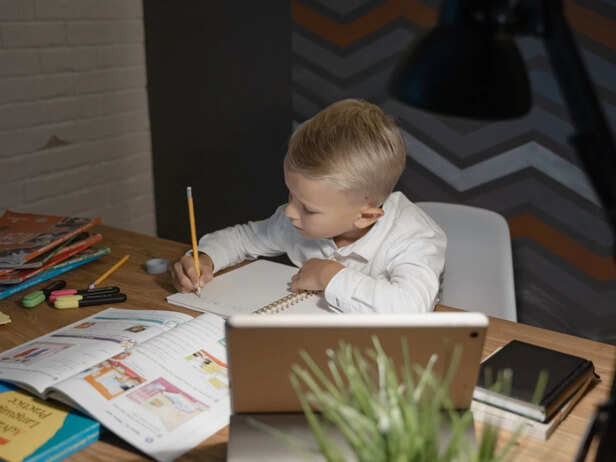
This can be particularly easy to miss in children who perform well academically or appear responsible. They may be praised constantly for being “mature” and “so independent.” While encouragement is valuable, too much emphasis on self-sufficiency can unintentionally teach a child that being capable means never struggling. A child can be hardworking and still need reassurance. They can be responsible and still need someone to sit beside them. The goal is not to make children dependent. It is to make them secure enough to depend on others when necessary.
One useful clue is how a child reacts when they cannot solve something. Do they calmly ask for assistance? Or do they become unusually frustrated, shut down, hide their mistake or insist they are fine when they clearly are not? The latter may indicate that the problem is not simply independence. Parents can gently change this pattern by normalising help. Instead of immediately fixing the problem, try saying, “Want to work through it together?” That keeps the child's sense of capability intact while showing them that support is available.
![Asking for Help Is a Strength]()
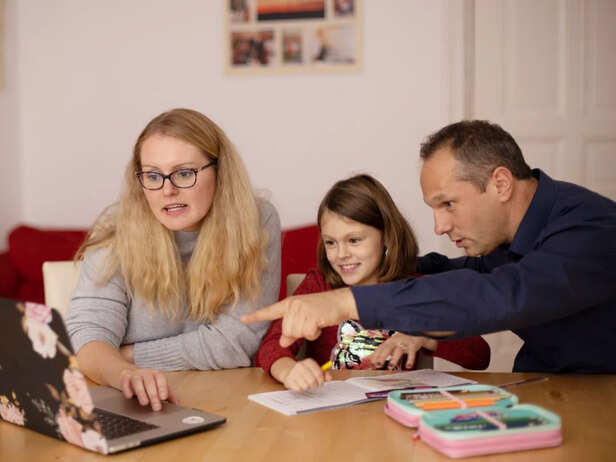
One of the most powerful things parents can do is model healthy help-seeking themselves. Let children hear you say, “I don't know how to do this. Can you help me?” or “I'm having a difficult day, so I need a little support.” This sends a simple message: needing someone does not make you weak. It is also important to praise the process, not just independence. Say, “I like that you tried it yourself, and I’m glad you asked when you got stuck.” That distinction matters.
The most confident child is not necessarily the one who needs nobody. Sometimes, genuine confidence looks much quieter. It is the child who knows they can try on their own, but also knows there is no shame in saying, “I need help.” Ultimately, parenting is not about raising children who can survive everything alone. It is about raising children who trust themselves enough to try, and trust others enough to reach out when they cannot.
Experiencing stress or misunderstandings in your relationship with your child? Your name energy may play a role. Check your name energy here.
Unlock insightful tips and inspiration on personal growth, productivity, and well-being. Stay motivated and updated with the latest atMy Life XP
When “I Can Do It” Becomes “I Have To”

When Independence Hides What a Child Really Feels
Image credit : Pexels
Children naturally become more independent as they grow. They learn to dress themselves, make decisions and solve small problems without immediately turning to an adult. That is healthy. The concern begins when a child consistently avoids asking for help, even when they are struggling. They may quietly redo homework, hide mistakes or sit with a problem for hours rather than saying, “I don't understand this.” Sometimes, this happens because children have learned that adults are too busy, easily frustrated or unlikely to respond positively.
They May Have Learned That Needing Help Is “Bad”
The High Achiever Who Never Says “I’m Struggling”
The Child Who Learns to Handle Everything Alone
Image credit : Pexels
This can be particularly easy to miss in children who perform well academically or appear responsible. They may be praised constantly for being “mature” and “so independent.” While encouragement is valuable, too much emphasis on self-sufficiency can unintentionally teach a child that being capable means never struggling. A child can be hardworking and still need reassurance. They can be responsible and still need someone to sit beside them. The goal is not to make children dependent. It is to make them secure enough to depend on others when necessary.
Watch What Happens When Things Go Wrong
Teach Them That Strong People Ask for Help Too
Asking for Help Is a Strength
Image credit : Pexels
One of the most powerful things parents can do is model healthy help-seeking themselves. Let children hear you say, “I don't know how to do this. Can you help me?” or “I'm having a difficult day, so I need a little support.” This sends a simple message: needing someone does not make you weak. It is also important to praise the process, not just independence. Say, “I like that you tried it yourself, and I’m glad you asked when you got stuck.” That distinction matters.
Independence With a Safety Net
Experiencing stress or misunderstandings in your relationship with your child? Your name energy may play a role. Check your name energy here.
Unlock insightful tips and inspiration on personal growth, productivity, and well-being. Stay motivated and updated with the latest atMy Life XP