What if one day of sadness could define how you experience the entire year ahead? An unusual teaching associated with Lord Shiva carries exactly this warning. According to the traditional account, the day after Diwali is not just about celebrations, sweets and family gatherings. Your emotions, food, relationships and even the way you treat animals are connected to its rituals. There is also a surprising tradition of worshipping a demon king on this day. But why did Lord Vishnu himself dedicate this occasion to King Bali?
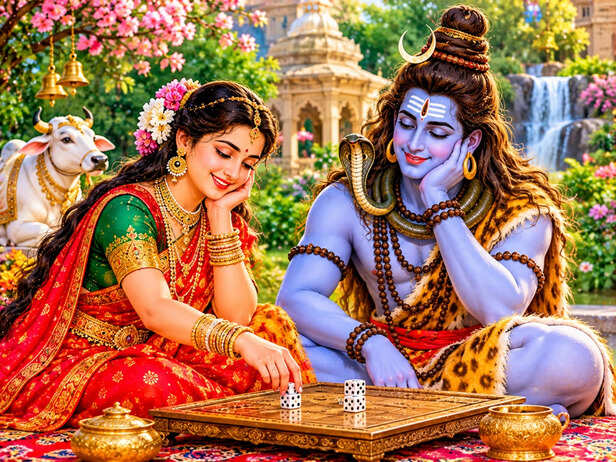
The Night Goddess Gauri Won the Dice Game
![Goddess Gauri and Lord Shiva Playing Dice]()
Goddess Gauri and Lord Shiva Playing Dice
Image credit : CHATGPT(AI)
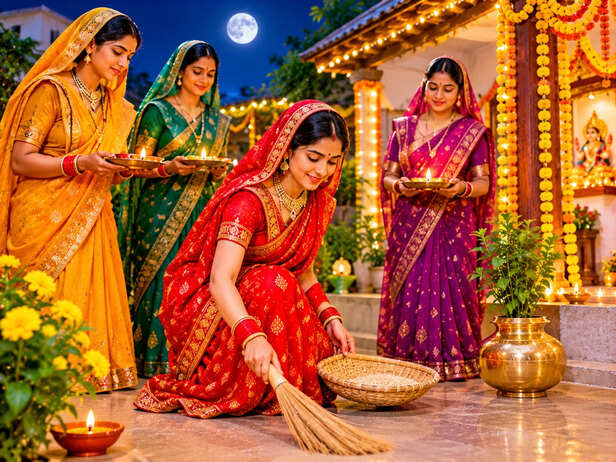
The story begins with a game of dice between Lord Shiva and Goddess Gauri. According to the account, Goddess Gauri won the game, giving the night a special place in the traditional Diwali narrative. The story then moves towards the rituals performed after midnight. While most people are asleep, women in some traditional accounts are described as making noise with drums and musical instruments to drive Alakshmi away from their homes. Alakshmi is associated with poverty, misfortune and unhappiness.
Why Women Drive Alakshmi Away
![Women Performing the Traditional Alakshmi Ritual]()
Women Performing the Traditional Alakshmi Ritual
Image credit : CHATGPT(AI)
Imagine an entire neighbourhood waking up to the sound of drums after midnight. This unusual custom is connected with the belief that Alakshmi should not remain inside the home. Unlike Goddess Lakshmi, who represents prosperity and good fortune, Alakshmi is associated with hardship and discord. The ritual symbolically sends away negative influences before the new day begins. It also carries a simple message: a home should welcome happiness, peace and togetherness rather than arguments and bitterness.
Why Cows Are Not Given Any Work
The next morning brings Govardhan Puja, when people worship Lord Krishna and prepare offerings for the occasion. Cows are decorated with colours, flowers and ornaments. According to the traditional account, they are not made to carry heavy loads or provide milk on this day. The idea is to give them rest and honour their contribution to human life. Instead of treating animals only as a source of food or labour, this custom asks families to show gratitude through care.
Why Is King Bali Worshipped After Diwali?
Here comes one of the most surprising parts of the story. On the night following Govardhan Puja, the tradition describes the worship of King Bali, an asura king. Families are instructed to create his figure on the ground using five colours and worship it together. Why would anyone worship an asura? The story connects this ritual with Lord Vishnu's promise to King Bali. After granting him a special place and honour, Vishnu dedicated this occasion to him. It is a reminder that Bali's devotion and generosity are also remembered in Hindu tradition.
Lord Shiva's Warning About Your Emotions
This is where the story takes an unexpected turn. The traditional account attributes a striking warning to Lord Shiva: the emotions you carry on this day may shape the year ahead. If you spend it crying, you may spend the year in sorrow. If you remain happy, your year will be filled with happiness. If you eat well and feel satisfied, you symbolically welcome abundance. This should be understood as a traditional belief, not a guarantee about the future. Its practical message is to avoid unnecessary sadness, conflict and negativity during family celebrations.
Why You Should Eat at Your Sister's Home
The final part of this tradition connects the occasion with Yama and his sister Yamuna. According to the popular Bhai Dooj story, Yama visited Yamuna's home and accepted a meal prepared by her. This is why brothers traditionally visit their sisters on Bhai Dooj, receive their blessings and eat food prepared at their homes. The ritual is not simply about sharing a meal. It gives siblings a reason to meet, strengthen their bond and express affection that everyday responsibilities sometimes leave unspoken.
The Real Message Behind These Diwali Rituals
All these customs come together through one simple thought: the way we treat people and the emotions we bring into our homes matter. Avoiding arguments, sharing food, respecting animals, meeting family members and celebrating with a happy heart are meaningful ways to observe the festival. The belief that the day determines the entire year belongs to traditional religious storytelling, but its message can still guide everyday behaviour. Diyas may light the outside of a home, but kindness, affection and understanding keep its inside bright long after Diwali ends.
Unlock insightful tips and inspiration on personal growth, productivity, and well-being. Stay motivated and updated with the latest at
My Life XP.