The bag sits open on the bed. You have been meaning to fill it for weeks, and now you are finally here, pulling things from the shelf your child has not reached for in months. A kurta with a small embroidered collar. A pair of jeans with a grass stain on the knee that never quite came out. A sweater in a colour you chose because it would look good in photographs.
You fold the sweater and set it aside. Then you pick it up again.
This is not about the clothes.
Why This Particular Task Feels Different From All the Others
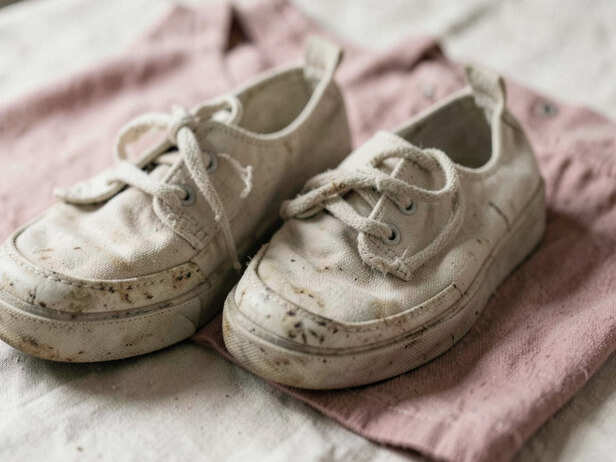
![Worn Shoes, Cherished Sweater]()
Worn Shoes, Cherished Sweater
Image credit : MyLifeXP Bureau
Clearing out a wardrobe is ordinary. You do it for yourself without ceremony, filling bags for the raddiwala or the building's collection drive, and you feel only slightly lighter afterward. But sorting through a child's outgrown things is a different kind of work, and most parents feel the difference without being able to name it.
The reason is that children's clothes are unusually precise records. An adult's wardrobe holds moods and phases, things bought on impulse and worn once. A child's wardrobe holds time. The size on the label is a timestamp. The stain on the collar is a specific Tuesday. The stretched neckline is the phase when she refused to let anyone pull a shirt over her head and insisted on doing it herself, which took four minutes every morning and was, in retrospect, completely reasonable.
When you fold the shirt, you are folding that Tuesday. The resistance is not sentimentality. It is accuracy. You know exactly what you are handling.
The Cousin Who Will Wear It Next
There is something specific about clothes going to a cousin rather than to an anonymous donation pile. You can picture the next child. You know her name. You may have held her as a baby. You will see her at the next family gathering, possibly wearing the kurta with the embroidered collar, and you will have to decide in that moment whether to say something or not.
Most parents say nothing. They look for a second, then look away.
This is not avoidance. It is a form of generosity that does not have a word in English, though several Indian languages come close. You are giving the object and releasing your claim on the memory attached to it. The cousin's mother will not know what her daughter is wearing when she spills dal on that kurta. She will not know that your child wore it to a birthday party and came home with cake in her hair. The kurta will accumulate new memories, and the old ones will live only with you.
That is exactly what is supposed to happen. Knowing it does not make the folding easier.
What Children Make of It
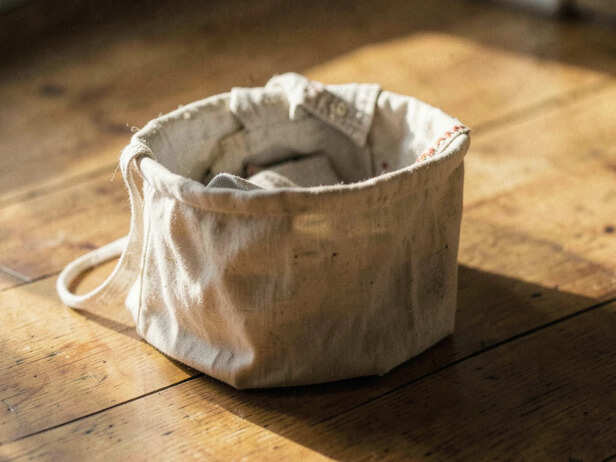
![Garments in Afternoon Light]()
Garments in Afternoon Light
Image credit : MyLifeXP Bureau
Older children sometimes want to be part of the sorting. They will pull out a shirt and say they want to keep it, and when you ask why, they will not have an answer that satisfies either of you. They just know they are not ready. This is worth taking seriously.
A child's relationship to her own past is still forming. She does not have the adult's ability to hold a memory independently of the object that carries it. The shirt is not a reminder of the thing, for her, at this age, the shirt partly is the thing. Letting go of it feels like letting go of a piece of herself she has not finished being yet.
You do not need to override this. One or two things kept back from the bag, chosen by the child, costs nothing and means something. The rest can go. The distinction between what she chooses to keep and what she releases is itself a small lesson in what memory is and how it works, though you would not say it that way to her. You would just let her put the shirt back on the shelf.
The Version of Your Child You Cannot Keep
Here is what the task is really asking you to sit with: your child is no longer the size of these clothes. She has grown past them, and she will grow past the size she is now, and this will keep happening in one direction only. The bag of clothes is evidence of a direction of travel that you knew about in the abstract and are confronting in the specific.
Parents describe this feeling in contradictory ways. Pride and grief at the same time. Relief that the hard phases are behind you and a strange wish to go back to them. Love for the child in front of you and a tenderness for the smaller one who no longer exists.
All of those things can be true at once. They usually are.
The folding is slow because you are doing two things simultaneously: sorting fabric by size, and saying a quiet goodbye to a version of your child that was real and is gone. Both tasks deserve the time they take.
After the Bag Goes
The bag will go to the cousin's house, or be collected, or be dropped at a relative's on the way to somewhere else. Your child will not ask about most of what was in it. She has already moved on in the way children do, forward and without looking back, which is exactly what you want for her and exactly what makes you pause.
What stays is not the clothes. It is the knowledge that you were paying attention. That you noticed the kurta and the sweater and the shoes that still held their shape. That you folded each one carefully, not because the cousin will care how it was folded, but because the folding was for you, a way of marking that it mattered, that the time it represented was real, that you were there for it.
The bag is a record of a child growing up. The person keeping the record is you. That has always been the job, and this is one of the quieter ways it shows up.
Experiencing stress or misunderstandings in your relationship with your child? Your name energy may play a role. Check your name energy here. Unlock insightful tips and inspiration on personal growth, productivity, and well-being. Stay motivated and updated with the latest at
My Life XP.