The ‘Sharma Ji Ka Beta’ Effect Isn’t Just About Marks Anymore
Palak Khanna | Sept 27, 2026, 18:00 IST
“Sharma Ji ka beta got 95.” We have all heard some version of this sentence. But today, the comparison does not stop at marks. Children are increasingly measured against someone who is more disciplined, more social, more talented, better dressed, more athletic or already “sorted” about their career. The old-school comparison culture has quietly expanded, and experts and research suggest that constant pressure can affect confidence, well-being and the way young people see themselves.

The New Sharma Ji Ka Beta Effect<br>
Image credit : gemini (AI)
There was a time when the ultimate Indian parental threat was beautifully simple: “Sharma Ji ke bete ke 95% aaye hain.” Now, Sharma Ji's son has apparently evolved. He gets better grades, wakes up at 5 AM, plays three sports, has perfect skin, knows coding, plays the guitar, has 20 certificates and somehow already knows what he wants to do with his life. Meanwhile, the actual child is sitting there wondering if getting an 82 is now a family scandal. The joke is familiar, but the comparison behind it is not always harmless. In today's hyper-connected world, children are no longer compared only with the neighbour's kid. They are constantly exposed to classmates, cousins, toppers, influencers and seemingly perfect teenagers online. And that changes what “doing well” can mean.
Earlier, the comparison was mostly about marks. Now it can sound like, “Her daughter is doing internships,” “His son already knows AI,” “She has so many followers,” or “Your cousin is preparing for UPSC.” Social media has made this even easier. A child's reference group can now include hundreds of people they barely know. The problem is that achievements are visible, while the struggle behind them usually isn't. A child sees somebody's medal, college admission or Instagram achievement, but rarely sees their failures, family circumstances or difficult days.
![When Comparison Becomes Pressure]()
Parents often compare children because they genuinely want to motivate them. But research among adolescents in India has found strong associations between academic stress, perceived parental pressure and poorer well-being. One study of 570 adolescents preparing for competitive entrance examinations found that 86% reported high academic stress and 87% reported high perceived parental pressure. That does not mean every comparison automatically harms a child. It does mean that when comparison becomes a regular way of communicating expectations, the message can shift from “I know you can improve” to “Who you are is not enough.” That difference matters.
The comparison has moved beyond
![When Comparison Goes Beyond Studies]()
This is where the modern Sharma Ji effect gets interesting. Children can now be compared on almost everything. Marks. Appearance. Weight. Friend circles. Communication skills. Sports. Hobbies. College choices. Internships. Social media presence. Even personality. A quiet child may be asked why they are not more outgoing. A creative child may be pushed towards a “stable” career. Someone who prefers academics may be told they need more extracurriculars. The pressure is no longer simply to succeed. It can become pressure to be well-rounded, impressive and constantly improving.
Constant comparison can make children evaluate themselves through somebody else's achievements. Instead of asking, “What am I interested in?”, they may start asking, “What will make my parents proud?” That can affect confidence and decision-making. Indian research and reviews have repeatedly identified parental expectations, academic competition and comparison as important sources of academic stress among adolescents. The irony is that the child may eventually achieve what everyone wanted, while still feeling like they are falling behind. Because there will always be another Sharma Ji's child.
The phrase has become funny because almost every Indian family seems to have their own imaginary Sharma Ji. But the bigger issue is not the child next door. It is the habit of using another person as a measuring scale for your own child. There is a huge difference between saying, “Look what they did, maybe you can try something similar,” and repeatedly communicating, “Why can't you be like them?” The first can open a conversation. The second can close one. The Central Board of Secondary Education's 2026 parenting calendar also highlights the importance of parental connection during adolescence and points to academic pressure, social-media comparison and changes in behaviour as areas parents should pay attention to.
![When Comparison Goes Beyond Studies]()
Every generation has its version of the “perfect child.” But children are not supposed to be copies of somebody else's success story. One may be brilliant at mathematics. Another may tell incredible stories. Someone may need more time to figure things out. Someone else may know their dream at 16 and change it completely at 21. The healthier question may not be “Why aren't you like them?” It could simply be: “What are you good at, what are you struggling with, and how can I help?” Because at the end of the day, children need someone cheering for their progress, not constantly handing them a new person to compete with. And honestly, Sharma Ji's kid probably has their own Sharma Ji too.
Experiencing stress or misunderstandings in your relationship with your child? Your name energy may play a role. Check your name energy here.
Unlock insightful tips and inspiration on personal growth, productivity, and well-being. Stay motivated and updated with the latest atMy Life XP
The new Sharma Ji has a lot more achievements
Comparison can turn motivation into pressure

When Comparison Becomes Pressure
Image credit : Pexels
Parents often compare children because they genuinely want to motivate them. But research among adolescents in India has found strong associations between academic stress, perceived parental pressure and poorer well-being. One study of 570 adolescents preparing for competitive entrance examinations found that 86% reported high academic stress and 87% reported high perceived parental pressure. That does not mean every comparison automatically harms a child. It does mean that when comparison becomes a regular way of communicating expectations, the message can shift from “I know you can improve” to “Who you are is not enough.” That difference matters.
The comparison has moved beyond academics
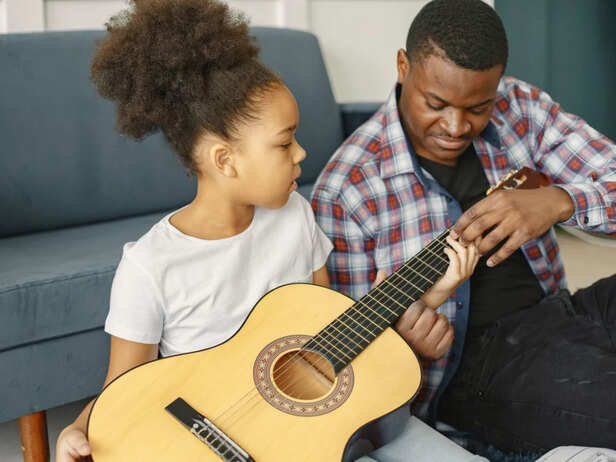
When Comparison Goes Beyond Studies
Image credit : Pexels
This is where the modern Sharma Ji effect gets interesting. Children can now be compared on almost everything. Marks. Appearance. Weight. Friend circles. Communication skills. Sports. Hobbies. College choices. Internships. Social media presence. Even personality. A quiet child may be asked why they are not more outgoing. A creative child may be pushed towards a “stable” career. Someone who prefers academics may be told they need more extracurriculars. The pressure is no longer simply to succeed. It can become pressure to be well-rounded, impressive and constantly improving.
“Look how well they are doing” can become an identity problem
Maybe the real problem isn't Sharma Ji at all
Maybe Kids Don't Need a New Sharma Ji

When Comparison Goes Beyond Studies
Image credit : Pexels
Every generation has its version of the “perfect child.” But children are not supposed to be copies of somebody else's success story. One may be brilliant at mathematics. Another may tell incredible stories. Someone may need more time to figure things out. Someone else may know their dream at 16 and change it completely at 21. The healthier question may not be “Why aren't you like them?” It could simply be: “What are you good at, what are you struggling with, and how can I help?” Because at the end of the day, children need someone cheering for their progress, not constantly handing them a new person to compete with. And honestly, Sharma Ji's kid probably has their own Sharma Ji too.
Experiencing stress or misunderstandings in your relationship with your child? Your name energy may play a role. Check your name energy here.
Unlock insightful tips and inspiration on personal growth, productivity, and well-being. Stay motivated and updated with the latest atMy Life XP