Can a Painless Kidney Stone Still Be Dangerous
Noopur Kumari | Sept 21, 2026, 10:00 IST
The surprising part about a silent kidney stone is that pain is not the only sign doctors look for. A stone can sit quietly for months or even years without obvious symptoms. The real concern begins when its position changes, it grows or it interferes with urine flow. So, if a scan has found a kidney stone that does not hurt, should you simply ignore it?

A kidney stone that does not hurt can seem like good news
Image credit : freepik
A kidney stone that does not hurt can seem like good news. After all, severe pain is one of the symptoms most people associate with kidney stones. But a painless kidney stone is not automatically harmless. Some stones can remain in the kidney without causing symptoms, while others can move, block urine flow or become associated with infection. The risk depends on factors such as the stone's size, location, growth and whether it causes obstruction. Current urology guidance supports monitoring some small, asymptomatic kidney stones, but recommends treatment when complications such as growth, obstruction or infection develop.
![Kidney stone shown inside the urinary system]()
Kidney stones often become painful when they move into the ureter, the narrow tube carrying urine from the kidney to the bladder. A stone that remains inside the kidney may cause no noticeable symptoms at all. This is why some people discover a painless kidney stone during an ultrasound or scan performed for another reason. The European Association of Urology notes that small, non-obstructing asymptomatic kidney stones can be monitored in selected cases. However, their natural course is not always predictable, so ignoring an incidental stone completely is not the same as medically monitoring it.
![Kidney stone near the ureter]()
Imagine someone having an ultrasound and being told they have a small kidney stone. They feel completely fine, so they assume nothing needs to be done. The situation can change if the stone moves into the ureter and obstructs urine. A blocked urinary tract can cause swelling of the kidney and may become serious, particularly when infection is also present. Ureteral obstruction can sometimes have few or no symptoms, depending on where and how quickly the blockage develops. This is why the stone's location matters as much as the fact that it does not currently hurt.
Not every asymptomatic kidney stone needs immediate removal. Doctors may recommend observation when a small stone is stable and is not causing complications. But the picture changes if the stone grows, causes new obstruction, becomes associated with infection or produces symptoms. EAU guidance lists stone growth, new obstruction, infection and acute or chronic pain among reasons to consider active treatment. This means “it doesn't hurt” is only one part of the assessment. A scan, medical history and follow-up plan help determine whether watching the stone is appropriate.
Pain is not the only symptom associated with kidney stones. Blood in the urine, difficulty passing urine, changes in urine output and urinary symptoms can also occur. Fever and chills are particularly important because they can signal infection. Mayo Clinic advises prompt medical attention for kidney stone symptoms accompanied by fever and chills, severe pain, vomiting, blood in the urine or difficulty passing urine. If a person with a known stone suddenly develops these symptoms, waiting for severe pain before seeking care can be a mistake.
Finding a kidney stone without symptoms does not necessarily mean surgery is needed. In selected cases, doctors may choose active surveillance and periodic imaging. EAU guidance says observation can be considered for some asymptomatic renal stones, with intervention considered if the stone grows or causes obstruction or infection. Follow-up matters because a stone that is stable today may not remain unchanged. The type of imaging and timing depend on the individual case. Do not assume that a previously painless stone is still harmless simply because you have not felt anything different.
A known painless kidney stone deserves urgent medical attention if new warning signs appear. Fever or chills, severe or persistent pain, vomiting, visible blood in the urine or difficulty passing urine should not be brushed aside. An obstructed kidney with signs of urinary infection is considered a urological emergency because urgent drainage may be needed to prevent serious complications. If you have a single functioning kidney or have been told that urine flow is blocked, contact a healthcare professional promptly even if pain is absent.
A silent kidney stone is not automatically dangerous, but it should not automatically be ignored either. Some small stones remain stable and can be safely monitored, while others grow, move or cause obstruction and infection. The key questions are simple: Where is the stone? How large is it? Has it changed? Is urine flow affected? Are there signs of infection? If a scan has found a kidney stone, discuss the result and follow-up plan with your doctor. The absence of pain can be reassuring, but the scan and clinical assessment tell the bigger story.
Experiencing frequent stress, fatigue, or health challenges? Your name energy may be worth exploring. Check it here.
Unlock insightful tips and inspiration on personal growth, productivity, and well-being. Stay motivated and updated with the latest at My Life XP
A Kidney Stone Can Stay Silent
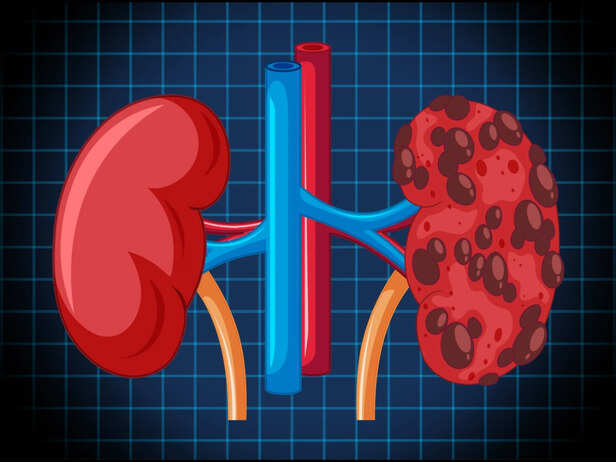
Kidney stone shown inside the urinary system
Image credit : Freepik
Kidney stones often become painful when they move into the ureter, the narrow tube carrying urine from the kidney to the bladder. A stone that remains inside the kidney may cause no noticeable symptoms at all. This is why some people discover a painless kidney stone during an ultrasound or scan performed for another reason. The European Association of Urology notes that small, non-obstructing asymptomatic kidney stones can be monitored in selected cases. However, their natural course is not always predictable, so ignoring an incidental stone completely is not the same as medically monitoring it.
The Location Can Change Everything

Kidney stone near the ureter
Image credit : Freepik
Imagine someone having an ultrasound and being told they have a small kidney stone. They feel completely fine, so they assume nothing needs to be done. The situation can change if the stone moves into the ureter and obstructs urine. A blocked urinary tract can cause swelling of the kidney and may become serious, particularly when infection is also present. Ureteral obstruction can sometimes have few or no symptoms, depending on where and how quickly the blockage develops. This is why the stone's location matters as much as the fact that it does not currently hurt.
When a Silent Stone Becomes Risky
Watch for More Than Pain
Follow-Up Is Part of Treatment
Know When to Seek Urgent Care
Don't Let “No Pain” End the Conversation
Experiencing frequent stress, fatigue, or health challenges? Your name energy may be worth exploring. Check it here.
Unlock insightful tips and inspiration on personal growth, productivity, and well-being. Stay motivated and updated with the latest at My Life XP