Your Child Loves Screens, But How Much Is Too Much?
Sudha Mishra | Oct 01, 2026, 16:20 IST
Screens are now part of everyday childhood, from online learning and cartoons to games and video calls. But how much is too much? This guide explainsscreen time for kids, signs that screen use may be affecting daily life, and simple ways parents can create healthier digital habits at home.

kids and screen time<br>
Image credit : Freepik
“Just five more minutes” can quickly turn into an hour. For many families, screens are now part of homework, entertainment and even socialising. A 2025 Pew Research Center survey found that 85% of US parents of children aged 12 or younger said their child watches YouTube, with 51% reporting daily use.
The challenge is not simply taking screens away. Parents need to understand how much screen time is too much for kids, what children are watching, and whether screens are affecting sleep, activity, schoolwork or family time.
![Focusing on mobile]()
A child watching an educational video is having a different experience from spending hours scrolling or playing games.
The purpose, content, timing and setting all matter. The American Academy of Pediatrics recommends creating a family media plan that balances screen use with sleep, physical activity, learning and family time.
Ask yourself:
What is my child watching?
Screen needs can change as children grow. Younger children generally need more opportunities for active play, sleep and face-to-face interaction.
For children under 5, the World Health Organization recommends limiting sedentary screen time and prioritising physical activity and good-quality sleep. For 2-year-olds and children aged 3 to 4, WHO recommends no more than one hour of sedentary screen time per day, with less being better.
These recommendations are not a one-size-fits-all parenting rule. A child's age, needs, development and family routine also matter.
![Less interest in outdoor play]()
The number on a screen-time tracker is only one clue. Pay attention to your child's behaviour too.
Possible signs that screen use needs a closer look include:
Late-night screen use can make bedtime harder, especially when children are watching exciting content or staying engaged with games and social media.
Creating a screen-free bedtime routine can help children shift from digital activity to sleep. The AAP suggests creating screen-free places and times, including during meals and before bed.
Try keeping phones, tablets and gaming devices away from the bedroom at night.
Rules work better when children understand them.
Instead of saying, “No phone all day,” create clear limits that fit your family. For example, screens may be allowed after homework, during a specific leisure period, or only in common areas.
The AAP recommends family media plans that include screen-free zones, limits, quality content, parental controls and time for offline activities.
Children notice what adults do. If parents are constantly checking their phones during meals or conversations, children may find screen rules harder to understand.
Pew Research Center found that 65% of surveyed US parents said they spend too much time on their smartphones.
Try putting your own phone away during meals, family conversations and other screen-free periods.
Taking away a device without offering another activity can quickly lead to arguments.
Keep easy alternatives ready:
![over usage of phone]()
Parental controls can help manage apps, downloads, purchases, contacts and screen time. But they work best alongside conversations and family rules.
The AAP recommends combining technology controls with communication and shared activities rather than relying only on restrictions.
There is no single number that works for every child and every family. Healthy screen time for kids should leave enough room for sleep, physical activity, school, hobbies, family interaction and real-world friendships.
The better question is not only, “How many hours is my child on a screen?” Ask, “What is the screen replacing?”
If screens are regularly taking away sleep, movement, learning, family time or other important activities, it may be time to reset the routine.
Screens are not automatically bad for children. They can help kids learn, create, communicate and have fun. The goal is to help children use technology without allowing it to take over their day.
Start with simple rules, model healthy habits, protect sleep and make plenty of room for life beyond the screen.
Parenting - Experiencing stress or misunderstandings in your relationship with your child? Your name energy may play a role. Check your name energy here.
Unlock insightful tips and inspiration on personal growth, productivity, and well-being. Stay motivated and updated with the latest at My Life XP.
The challenge is not simply taking screens away. Parents need to understand how much screen time is too much for kids, what children are watching, and whether screens are affecting sleep, activity, schoolwork or family time.
Not All Screen Time Is Equal

Focusing on mobile
Image credit : Freepik
A child watching an educational video is having a different experience from spending hours scrolling or playing games.
The purpose, content, timing and setting all matter. The American Academy of Pediatrics recommends creating a family media plan that balances screen use with sleep, physical activity, learning and family time.
Ask yourself:
What is my child watching?
- Is the content age-appropriate?
- Are screens replacing play or family time?
- Does my child struggle to stop using a device?
Know the Age Factor
For children under 5, the World Health Organization recommends limiting sedentary screen time and prioritising physical activity and good-quality sleep. For 2-year-olds and children aged 3 to 4, WHO recommends no more than one hour of sedentary screen time per day, with less being better.
These recommendations are not a one-size-fits-all parenting rule. A child's age, needs, development and family routine also matter.
Watch for Warning Signs

Less interest in outdoor play
The number on a screen-time tracker is only one clue. Pay attention to your child's behaviour too.
Possible signs that screen use needs a closer look include:
- Trouble stopping when screen time ends
- Less interest in outdoor play
- Skipping meals or activities to stay online
- Difficulty sleeping
- Frequent arguments about devices
- Falling behind on homework or daily tasks
- Becoming upset whenever the device is removed
Sleep Comes First
Late-night screen use can make bedtime harder, especially when children are watching exciting content or staying engaged with games and social media.
Creating a screen-free bedtime routine can help children shift from digital activity to sleep. The AAP suggests creating screen-free places and times, including during meals and before bed.
Try keeping phones, tablets and gaming devices away from the bedroom at night.
Set Simple Screen Rules
For ages 11–17, mobile phones dominate at 70% of screen time.
— Child Rights International (@crighana) September 30, 2026
Personal, private, and pocket-sized: the device that goes everywhere a child goes now goes everywhere unsupervised too. 📱⚠️#ChildrenBehindTheScreen #crighana #ScreenTime #children #fyp pic.twitter.com/d1WrTgPdQN
Instead of saying, “No phone all day,” create clear limits that fit your family. For example, screens may be allowed after homework, during a specific leisure period, or only in common areas.
The AAP recommends family media plans that include screen-free zones, limits, quality content, parental controls and time for offline activities.
Don't Forget Your Own Phone
Pew Research Center found that 65% of surveyed US parents said they spend too much time on their smartphones.
Try putting your own phone away during meals, family conversations and other screen-free periods.
Replace, Don't Just Remove
Taking away a device without offering another activity can quickly lead to arguments.
Keep easy alternatives ready:
- Outdoor games
- Drawing or crafts
- Reading
- Board games
- Music
- Helping with simple household tasks
- Family walks
- Sports and physical play
Use Parental Controls Wisely
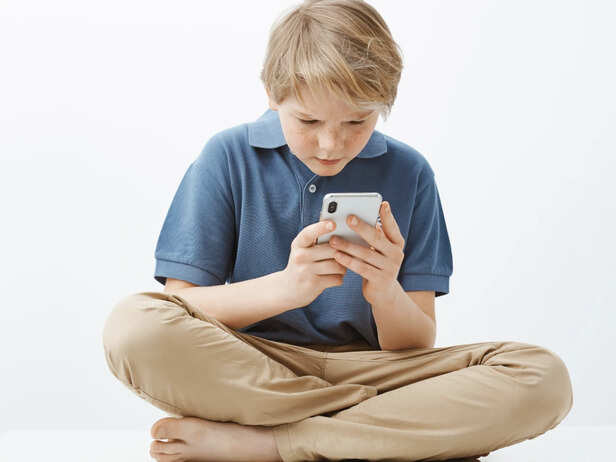
over usage of phone
Parental controls can help manage apps, downloads, purchases, contacts and screen time. But they work best alongside conversations and family rules.
The AAP recommends combining technology controls with communication and shared activities rather than relying only on restrictions.
So, How Much Is Too Much?
The better question is not only, “How many hours is my child on a screen?” Ask, “What is the screen replacing?”
If screens are regularly taking away sleep, movement, learning, family time or other important activities, it may be time to reset the routine.
A Healthier Digital Balance
Start with simple rules, model healthy habits, protect sleep and make plenty of room for life beyond the screen.
Parenting - Experiencing stress or misunderstandings in your relationship with your child? Your name energy may play a role. Check your name energy here.
Unlock insightful tips and inspiration on personal growth, productivity, and well-being. Stay motivated and updated with the latest at My Life XP.