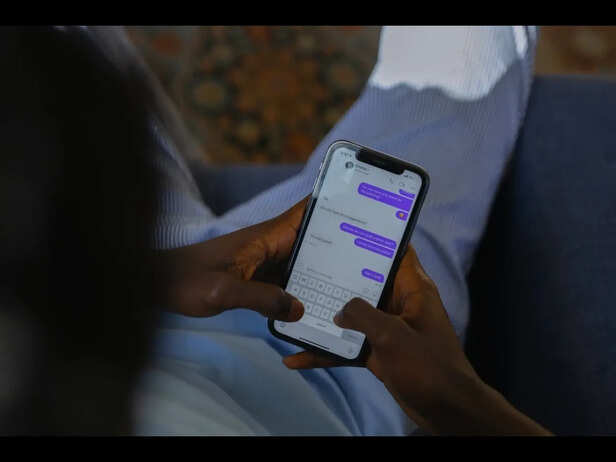
A few years ago, waiting for someone’s call used to mean something. There was anticipation, curiosity, even excitement. Conversations carried emotional weight because they were rare and intentional. Today, most people are available 24/7. A message can arrive at 2 PM, 2 AM, during meetings, dinner, vacations, or even while sitting beside someone else. At first, constant texting feels comforting. It creates the feeling that someone is always there. But slowly, something deeper begins to disappear. Many modern relationships now survive on endless notifications but struggle with genuine emotional intimacy. Couples exchange hundreds of texts yet feel emotionally distant. Friends know each other’s daily updates but not each other’s real fears. People are connected all day while silently feeling lonely. The problem is not communication itself. The problem is overcommunication without emotional presence. Constant availability is quietly changing how humans experience love, attraction, attention, and emotional connection.
When Conversation Becomes Continuous, It Stops Feeling Special
![When Presence Meant More Than Notifications]()
When Presence Meant More Than Notifications
Image credit : Pexels
Human emotions are deeply tied to anticipation. When conversations are limited, people value them more. There is emotional build-up. People think carefully before speaking. They miss each other. They notice absence. Constant texting removes that emotional rhythm. Now couples often update each other every hour. “Reached office.” “Eating lunch.” “Going out.” “Sleeping now.” It creates an endless stream of low-value communication that slowly replaces meaningful conversation. Ironically, talking all day can leave people with nothing important to say when they finally meet. Psychologists often describe this as emotional saturation. When interaction becomes constant, the brain stops treating it as rewarding. The excitement fades because there is no emotional space left between two people. Silence once created longing. Now silence creates anxiety. That shift is changing relationships everywhere.
The Illusion of Closeness Is Replacing Real Intimacy
![Talking All Day, Feeling Less Each Time]()
Talking All Day, Feeling Less Each Time
Image credit : Pexels
Texting creates access, not necessarily intimacy. Many people mistake frequent replies for emotional depth. But knowing what someone ate for breakfast is not the same as understanding their emotional world. Real intimacy is built through tone, eye contact, pauses, vulnerability, physical presence, and shared experiences. A screen cannot fully carry those things. This is why many people feel strangely disconnected despite being in constant contact. Digital conversations are often quick, reactive, and surface-level. They prioritize speed over emotional depth. Over time, relationships become dependent on daily contact rather than genuine understanding. Some couples even panic if replies become slower for a few hours. Not because love disappeared, but because constant availability created emotional dependency. The relationship begins revolving around response time instead of emotional quality. That is not closeness. That is digital reassurance.
Mystery and Individuality Are Slowly Disappearing
Attraction needs space. People are emotionally drawn toward what they continue discovering. Earlier, relationships unfolded gradually. Stories emerged over time. There was room for imagination, curiosity, and individuality. Constant texting removes that distance. Now people know every detail instantly. Every thought is shared in real time. Every moment is documented. Nothing is left unsaid, unseen, or emotionally processed alone. As a result, many relationships lose emotional tension very quickly. This does not mean people should play games or avoid communication. Healthy intimacy still needs honesty and openness. But humans also need personal space to maintain individuality. Without that space, relationships can start feeling emotionally crowded. People stop missing each other because they never truly leave each other’s digital presence. And when there is no room to miss someone, emotional appreciation quietly weakens.
Constant Availability Is Increasing Emotional Burnout
![Nothing Left to Wonder About]()
Nothing Left to Wonder About
Image credit : Pexels
Many people now feel pressured to stay emotionally reachable all the time. Unread messages create guilt. Delayed replies create conflict. Even during stressful days, people feel expected to maintain continuous communication. This creates emotional exhaustion. Relationships start feeling like obligations instead of comfort zones. A person may genuinely care about someone but still feel mentally drained by nonstop digital interaction. Research around digital fatigue has shown that excessive online communication can increase stress, anxiety, and emotional overload. The brain rarely gets uninterrupted emotional rest anymore. This is especially visible in younger generations who grew up with smartphones. Many people no longer know how to emotionally disconnect without feeling guilty. Being unavailable for a few hours can now be interpreted as rejection, anger, or loss of interest. Healthy relationships need emotional breathing room. Without boundaries, connection slowly transforms into emotional pressure.
Real Presence Is Becoming Rare and Therefore More Valuable
One of the biggest ironies of modern life is that people spend hours talking online but struggle with meaningful offline presence. At restaurants, couples scroll while sitting together. Friends meet but keep checking notifications. Families share rooms but not attention. Physical presence without emotional attention creates loneliness of a different kind. Humans are wired to connect through focused attention. Eye contact, listening, shared silence, laughter, and physical energy are all part of emotional bonding. Texting cannot fully replace these experiences. This is why many people remember one honest late-night conversation more deeply than thousands of casual texts. The rarest thing today is not communication. It is undivided attention. And because it has become rare, it has become emotionally priceless.
The Relationships That Survive May Be the Ones That Disconnect More
Technology is not destroying relationships. But unhealthy digital habits are reshaping them. Constant texting gives comfort, convenience, and instant reassurance. Yet too much availability can quietly weaken emotional depth, individuality, anticipation, and meaningful presence. Real intimacy does not grow through endless access alone. It grows through attention, emotional safety, shared experiences, and healthy space. Sometimes love needs conversation. Sometimes it also needs silence. The strongest relationships may not be the ones talking every minute. They may be the ones secure enough to pause, breathe, live separately for a while, and still return to each other with something real to say.
Unlock insightful tips and inspiration on personal growth, productivity, and well-being. Stay motivated and updated with the latest at
My Life XP.