When Love Feels Like Fear: What Your Relationship Reveals
Noopur Kumari | Aug 19, 2026, 13:00 IST
A healthy relationship should give you emotional connection without taking away your sense of self. Fear becomes a problem when it starts controlling your choices. You stay because you are scared of being alone. You hide your opinions because you fear rejection. You constantly check their behaviour because you fear betrayal. The surprising truth is that freedom does not mean caring less about someone. It means being able to love them without abandoning yourself. Understanding this difference can completely change the way you experience relationships.

healthy relationship
Image credit : Freepik
Sometimes the hardest question in a relationship is not “Do I love this person? It is “Would I still choose this relationship if I were not afraid of losing it? Fear can quietly enter relationships without announcing itself. You may become afraid of being abandoned, replaced, rejected or misunderstood. Slowly, you may stop expressing your real feelings. You may agree when you want to say no, stay silent to avoid conflict or constantly seek reassurance. From the outside, it can look like love. But underneath, fear may be making the decisions.
![Couple sitting together while one partner feels emotionally distant]()
Fear often begins quietly. You might notice yourself checking whether they have replied, worrying about changes in their tone or imagining the relationship ending after a small disagreement. One moment of insecurity is normal. The problem begins when fear becomes a constant background feeling. You start analysing every message and every silence. Instead of enjoying the relationship, you spend your energy protecting yourself from an imagined future loss. Love becomes less about connection and more about preventing something from going wrong.
![Heart and Mind in Conflict]()
When we are afraid of losing someone, we may behave differently from who we really are. We become excessively agreeable. We avoid difficult conversations. We apologise even when we have done nothing wrong. We may tolerate behaviour that repeatedly hurts us simply because leaving feels frightening. This can create an unhealthy cycle. The more you suppress yourself, the more disconnected you feel. Eventually, you may not even recognise the person you have become inside the relationship. Keeping someone should never require losing yourself.
Freedom in a relationship does not mean emotional distance or a lack of commitment. It means both people can remain individuals while building something together. You should be able to have your own interests, friendships, opinions and personal boundaries. A relationship becomes healthier when connection is a choice rather than an obligation created by fear. Think about two people walking beside each other. They are moving in the same direction, but neither person needs to control every step of the other. Closeness becomes more meaningful when it is not forced.
One of the strongest fears in relationships is the fear of being alone. It can make people accept less than they deserve because loneliness feels worse than unhappiness. But being alone and being lonely are not the same thing. You can be surrounded by someone and still feel emotionally isolated. You can also spend time alone and discover confidence, peace and self-understanding. Before asking whether someone will stay, ask yourself something more important: “If they leave, will I still be able to stand?” Emotional independence makes love healthier because your entire identity is no longer dependent on another person's presence.
Fear often disguises itself as control. You may want to know where your partner is, who they are talking to or why they have not responded. Sometimes these questions are reasonable, especially when trust has genuinely been broken. But constant monitoring cannot create genuine security. Trust is built through honesty, consistency and accountability. If trust has been damaged, the answer is an honest conversation and clear boundaries, not endless surveillance. A healthy relationship allows both people to have privacy while remaining transparent about things that genuinely affect the relationship.
Self-respect and love do not have to compete. You can love someone deeply and still say, “This behaviour hurts me.” You can care about their feelings while protecting your own boundaries. You can work through disagreements without accepting repeated disrespect. Start by noticing where fear influences your decisions. Ask yourself whether you are saying yes because you genuinely want to or because you are scared of their reaction. That small pause can reveal a lot. The goal is not to become emotionally distant. It is to become emotionally secure.
The strongest relationships are not built on the fear of losing each other. They are built on the freedom to choose each other every day. When you know you can survive disappointment, disagreement or even separation, you no longer need to control the relationship so tightly. You can listen more honestly. Communicate more openly. Give space without immediately assuming the worst. And when someone stays, you know they are staying because they want to, not because they are trapped. That is where love becomes deeper, calmer and more genuine.
Are relationship issues affecting your peace of mind? Your name energy may be playing a role. Check your name energy here!
Unlock insightful tips and inspiration on personal growth, productivity, and well-being. Stay motivated and updated with the latest at My Life XP
When Fear Enters Love
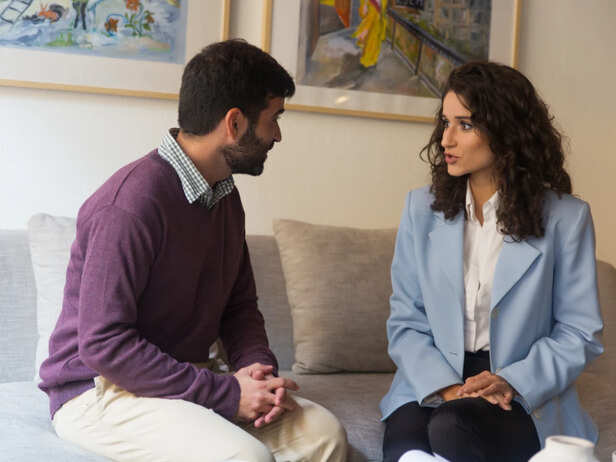
Couple sitting together while one partner feels emotionally distant
Image credit : Freepik
Fear often begins quietly. You might notice yourself checking whether they have replied, worrying about changes in their tone or imagining the relationship ending after a small disagreement. One moment of insecurity is normal. The problem begins when fear becomes a constant background feeling. You start analysing every message and every silence. Instead of enjoying the relationship, you spend your energy protecting yourself from an imagined future loss. Love becomes less about connection and more about preventing something from going wrong.
Fear Can Change Your Behaviour

Heart and Mind in Conflict
Image credit : Freepik
When we are afraid of losing someone, we may behave differently from who we really are. We become excessively agreeable. We avoid difficult conversations. We apologise even when we have done nothing wrong. We may tolerate behaviour that repeatedly hurts us simply because leaving feels frightening. This can create an unhealthy cycle. The more you suppress yourself, the more disconnected you feel. Eventually, you may not even recognise the person you have become inside the relationship. Keeping someone should never require losing yourself.
Love Needs Room to Breathe
The Fear of Being Alone
Trust Is Different From Control
Choose Yourself Without Leaving Love
Freedom Makes Love More Genuine
Are relationship issues affecting your peace of mind? Your name energy may be playing a role. Check your name energy here!
Unlock insightful tips and inspiration on personal growth, productivity, and well-being. Stay motivated and updated with the latest at My Life XP