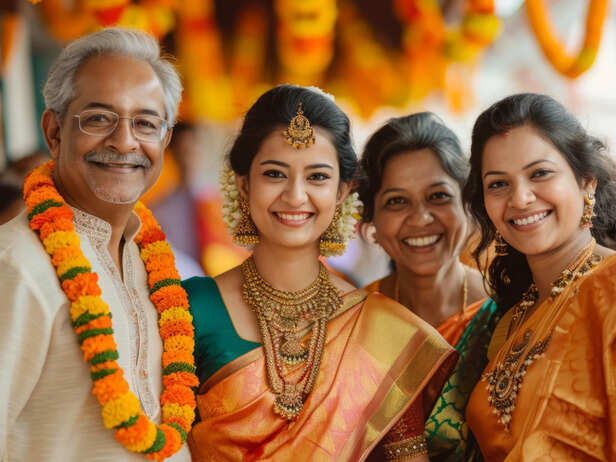
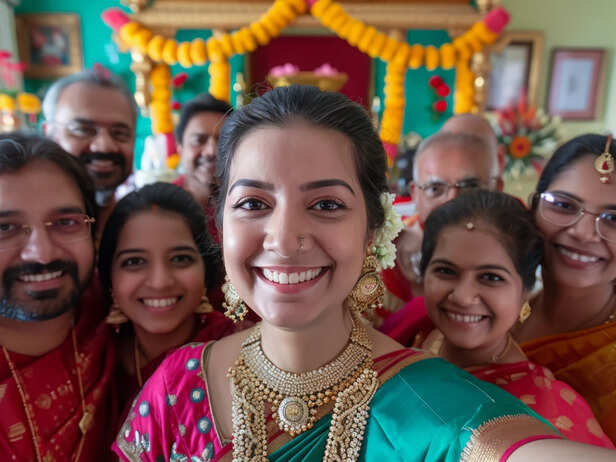
For many women, marriage does not just mean moving into a new home. It can also mean changing where they celebrate Diwali, Holi, Raksha Bandhan and almost every family festival. While a son is often expected to celebrate with his parents, a daughter may be expected to spend these occasions with her husband's family. But does marriage make her own parents any less important? Why is her absence from her parental home treated as a family problem, while her absence from her in-laws' home is considered unacceptable? Behind the colourful decorations, family photographs and festive meals lies an uncomfortable question about women's choices and sacrifices.
Why Does Marriage Change Her Festivals?
![A Married Daughter Missing Her Parents During Diwali]()
A Married Daughter Missing Her Parents During Diwali
Image credit : Freepik
Before marriage, festivals meant returning home, meeting siblings, eating favourite childhood dishes and spending time with parents. After marriage, many women are expected to celebrate these same occasions with their in-laws. Their husbands continue celebrating with their own parents, but daughters are often told that their priorities must change after marriage. The problem is not celebrating with a new family. It is the assumption that building new relationships requires weakening old ones. A woman's marriage should not make her relationship with her parents less valuable.
When Family Traditions Become Obligations
![A Woman Managing Household Responsibilities During Diwali]()
A Woman Managing Household Responsibilities During Diwali
Image credit : Freepik
Festivals are supposed to offer happiness and togetherness, but for many women, they bring an additional workload. They are expected to clean the house, prepare elaborate meals, arrange decorations, organise pujas and welcome relatives. If they express exhaustion or ask for help, they may be reminded that these responsibilities are part of being a daughter-in-law. Calling a woman the Lakshmi of the house sounds respectful, but respect means little if she is expected to work without rest while everyone else enjoys the celebration.
Why Is the Same Freedom Not Given to Sons?
Consider a simple situation: a married son wants to celebrate Diwali with his parents. His decision is rarely questioned because staying connected to his family is considered natural. But when his wife wants to spend the festival with her own parents, she may face questions, guilt or emotional pressure. Why should the same desire be acceptable for one partner and difficult for the other? Both entered the marriage with families they love. Their emotional connections deserve equal respect.
The Emotional Cost of Leaving Her Home
For a woman, her parental home is not simply a place she lived before marriage. It holds childhood memories, familiar voices, family traditions and the comfort of being someone's daughter without having to fulfil any household role. Watching her parents celebrate without her can be painful, especially when she sees her siblings enjoying the traditions they once shared. She may not always express this sadness because she does not want to upset anyone. But silence does not mean she has stopped missing her family.
Traditions Should Not Demand One-Sided Sacrifice
Traditions can bring families closer, but they should not become rules that take away someone's choices. If a husband can visit his parents during a festival, his wife should have the same freedom. Couples can alternate celebrations, divide important occasions or visit both families when practical. Some years may require different arrangements because of distance, work or family needs. The point is to make these decisions together instead of assuming that the woman will always adjust.
Her In-Laws Are Family, But So Are Her Parents
A woman can genuinely love her in-laws and still want to celebrate with her parents. These feelings do not contradict each other. Marriage introduces new relationships, but it should not erase existing ones. Families need to understand that inviting a daughter to spend a festival at her parental home is not an insult to her in-laws. Similarly, a husband accompanying his wife to her parents' home should not be treated as a loss of family respect. Love does not become smaller when it is shared.
Let Festivals Become About Happiness Again
The real spirit of a festival is togetherness, not the ability to make one person sacrifice everything to keep everyone else happy. Families can share household work, respect women's wishes and discuss celebrations without emotional pressure. Husbands also have a responsibility to support their partners instead of leaving them to negotiate every expectation alone. A daughter should never have to choose between being a good wife and remaining a loving daughter. She deserves to celebrate both relationships without guilt.
Are relationship issues affecting your peace of mind? Your name energy may be playing a role. Check your name energy here!Unlock insightful tips and inspiration on personal growth, productivity, and well-being. Stay motivated and updated with the latest at
My Life XP.