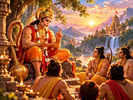
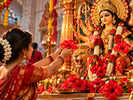
What makes Navratri special is not just the nine nights of prayer, but the different ways India celebrates the power of Maa Durga. From a sacred cave in the Himalayas to ancient temples filled with the sound of aarti, every destination has its own traditions and stories. Some are known for unique forms of worship, while others become the centre of grand celebrations. If you want to experience Navratri beyond your home puja, these 10 Devi Maa temples offer a meaningful journey through India's spiritual heritage.
Mata Vaishno Devi Temple, Jammu and Kashmir
![Maa Kamakhya and the Sacred Shakti Tradition]()
Maa Kamakhya and the Sacred Shakti Tradition
Image credit : chatgpt(ai)
For many devotees, the journey to Mata Vaishno Devi Temple is as meaningful as the darshan itself. Located near Katra in Jammu and Kashmir, the shrine is associated with three sacred rock formations representing Mahakali, Mahalakshmi and Mahasaraswati. During Navratri, the pilgrimage attracts devotees from across India, creating a deeply devotional atmosphere along the route. The climb can be demanding, so check official yatra arrangements and weather updates before travelling. The shrine's official website provides pilgrimage information and services.
Kamakhya Temple, Assam
![Maa Kamakhya and the Sacred Shakti Tradition]()
Maa Kamakhya and the Sacred Shakti Tradition
Image credit : chatgpt(ai)
Set on Nilachal Hill in Guwahati, Kamakhya Temple is one of the most significant Shakti Peethas in Hindu tradition. Unlike temples where the Goddess is represented by a conventional idol, the central shrine worships a sacred natural form associated with feminine creative power. This makes Kamakhya especially distinctive among India's famous Devi temples. Navratri offers devotees an opportunity to connect with the Goddess through prayer and traditional worship. The temple is also renowned for Ambubachi Mela, a separate annual festival connected with the Goddess's creative energy and fertility.
Dakshineswar Kali Temple, West Bengal
Situated on the eastern bank of the Hooghly River, Dakshineswar Kali Temple is a major spiritual landmark in Kolkata. Founded by Rani Rashmoni in 1855, the temple became closely associated with the spiritual life of Sri Ramakrishna Paramahamsa. Devotees visit to worship Maa Bhavatarini, a form of Kali, and experience the temple's peaceful riverfront setting. During the wider Durga Puja season, the city comes alive with devotion and cultural celebrations. Check the temple's official website for darshan timings and visitor guidelines before your visit.
Ambaji Temple, Gujarat
Located in Banaskantha district, Ambaji Temple is among Gujarat's most important pilgrimage destinations dedicated to Maa Amba. A distinctive feature of the shrine is that a sacred Shree Yantra is worshipped rather than a conventional idol. During Navratri, Gujarat's devotion to the Goddess is also reflected in Garba, a traditional dance performed in circles that symbolise community and celebration. Many visitors combine temple darshan with the festival atmosphere around the region. If you plan a visit, confirm the temple's current arrangements and timings through official local sources.
Chamundeshwari Temple, Karnataka
Perched atop Chamundi Hill in Mysuru, Chamundeshwari Temple is dedicated to a powerful form of Maa Durga. Hindu tradition connects the Goddess with the story of Mahishasura, whose name is also associated with Mysuru. The shrine becomes especially significant during Mysuru Dasara, a celebrated festival featuring religious ceremonies and grand cultural events. A visit offers both a devotional experience and panoramic views of the city. The hilltop setting makes it worth planning your transport and darshan time in advance, especially during the busy festival period.
Kanaka Durga Temple, Andhra Pradesh
Located on Indrakeeladri Hill in Vijayawada, Kanaka Durga Temple is a major centre of Goddess worship in Andhra Pradesh. During the Navratri celebrations, the presiding deity is traditionally presented in different forms on different days, allowing devotees to reflect on the many aspects of divine feminine power. The temple's location overlooking the Krishna River adds to its striking setting. Because the festival attracts large crowds, visitors should check local announcements about darshan arrangements, traffic restrictions and special rituals before setting out.
Jwala Ji Temple, Himachal Pradesh
Jwala Ji Temple, in Himachal Pradesh's Kangra district, is famous for a form of worship unlike that found in most other Devi temples. Instead of a conventional idol, devotees offer prayers to natural flames emerging from openings in the rock. These flames are regarded in Hindu tradition as a manifestation of the Goddess. The shrine draws pilgrims throughout the year and holds special importance during Navratri. Its unique setting makes it a memorable stop for those exploring Shakti Peethas and sacred places associated with Maa Durga.
Mansa Devi Temple, Uttarakhand
Situated on Bilwa Parvat in Haridwar, Mansa Devi Temple is a popular pilgrimage destination dedicated to Maa Mansa Devi, a form of Shakti. Devotees traditionally visit the shrine to offer prayers and express their wishes with faith. The temple's elevated location provides views of Haridwar and the Ganga region, making the journey special for both pilgrims and visitors. During Navratri, crowds can increase considerably. Check local transport and temple arrangements before travelling, particularly if you plan to visit during peak festival days.
Chhattarpur Temple, New Delhi
For devotees in the capital, Chhattarpur Temple, also known as Shri Adya Katyayani Shakti Peeth Mandir, offers an accessible way to experience Navratri devotion. The large temple complex in South Delhi is associated with Maa Katyayani, one of the nine forms of Navdurga worshipped during the festival. Special prayers and decorations draw devotees during the celebrations. If you are planning a visit, consider travelling outside peak hours where possible and check current entry, parking and darshan arrangements before leaving.
Durga Kund Temple, Uttar Pradesh
In Varanasi, Durga Kund Temple is a historic shrine dedicated to Maa Durga. Its distinctive red-toned architecture and adjoining pond make it easy to recognise among the city's many sacred places. The temple is traditionally associated with the belief that the Goddess's image appeared on its own, known as swayambhu in Hindu tradition. During Navratri, devotees gather to offer prayers and seek Maa Durga's blessings. If you are exploring Varanasi's spiritual landmarks, this temple offers an opportunity to experience the city's enduring connection with Shakti worship.
How to Plan Your Navratri Temple Visit
Visiting a Devi temple during Navratri can be deeply meaningful, but a little planning makes the experience easier.
- Check official timings: Festival schedules, darshan hours and entry arrangements can change.
- Expect crowds: Popular shrines may have long queues, especially on Ashtami, Navami and other major observance days.
- Dress respectfully: Follow the temple's clothing, footwear and photography rules.
- Plan your journey: Check transport, weather and local traffic restrictions before leaving.
- Respect local traditions: Every temple has its own rituals, customs and ways of worship.
The beauty of Navratri lies in the many ways India celebrates Maa Durga. Whether you travel to a Himalayan shrine, visit an ancient Shakti Peetha or offer prayers at a temple close to home, the festival is an invitation to reconnect with faith, gratitude and inner strength. You do not have to visit all ten temples to experience its meaning. Sometimes, one sincere prayer is enough to make the celebration feel special.
Unlock insightful tips and inspiration on personal growth, productivity, and well-being. Stay motivated and updated with the latest at
My Life XP.