2 Hanuman Chalisa Lines That Reveal a Powerful Truth
Noopur Kumari | Sept 03, 2026, 07:00 IST
Two lines from the Hanuman Chalisa reveal a much deeper story than they first suggest. They mention Kubera, great scholars, Sugriva, Lord Rama and the return of a kingdom. Behind these words lies a powerful message about Hanuman’s strength, humility, loyalty and wisdom. Their meaning becomes clearer and more inspiring when we understand Sugriva’s journey.

Hanuman Chalisa
Image credit : ChatGPT (ai)
The Hanuman Chalisa is filled with verses that praise Hanuman Ji’s strength, wisdom and devotion. Yet some lines also carry stories from the Ramayana that reveal how he used these qualities to help others.
The verses “Jam Kuber Digpal Jahan Te, Kabi Kobid Kahi Sake Kahan Te” and “Tum Upkar Sugrivahin Keenha, Ram Milaye Raj Pad Deenha” are a beautiful example.
![Hanuman Ji in Divine Glory]()
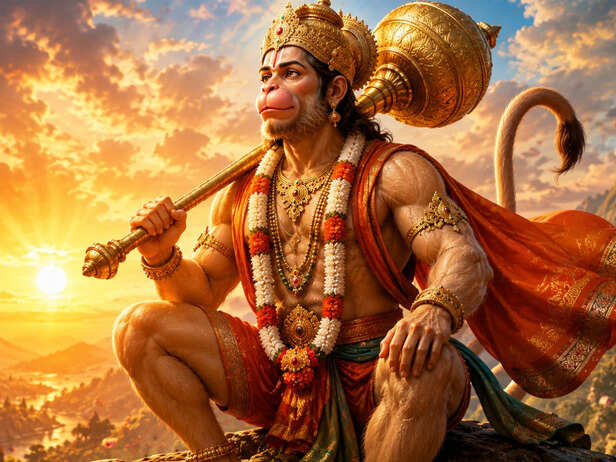
The first verse says that even Yama, Kubera and the guardians of the directions, along with great poets and scholars, cannot completely describe Hanuman’s glory. Here, the poet is expressing the vastness of Hanuman’s qualities rather than making a simple comparison. Hanuman is celebrated for extraordinary strength, wisdom, courage and devotion. The deeper idea is that some virtues are difficult to capture through words alone. A person may be praised for knowledge or power, but Hanuman’s greatness comes from how he combines strength with humility and uses his abilities in service of Lord Rama and others.
![: Lord Kubera and the Divine Guardians]()
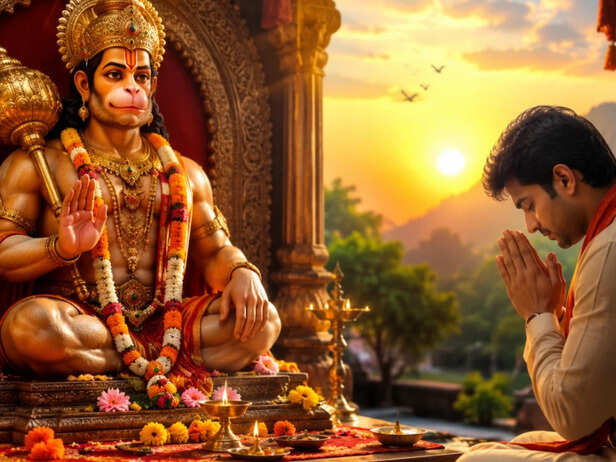
The verse mentions Kubera, who is traditionally known as the deity of wealth and the guardian of the northern direction. It also refers to other powerful divine figures and learned people. The purpose is to create a sense of scale. Even figures associated with great power, authority or knowledge cannot fully describe Hanuman’s greatness. This does not mean that Hanuman seeks praise. In fact, his character is remembered for the opposite quality. His strength remains connected to humility, devotion and service, making the verse a reminder that real greatness does not always demand recognition.
The second verse shifts from divine praise to a specific event: Hanuman’s help to Sugriva. In the Ramayana tradition, Sugriva had been separated from his kingdom and lived in fear. Hanuman recognised the possibility of a meaningful alliance between Sugriva and Rama. He helped bring them together, creating a relationship that eventually changed Sugriva’s situation. This is one of the most important examples of Hanuman’s role as a trusted helper. He did not simply display his strength. He understood what was needed and helped the right people find each other at the right moment.
After Hanuman brought Sugriva and Rama together, their relationship developed into an important alliance. Rama needed support in his search for Sita, while Sugriva needed help reclaiming his rightful position. Their partnership benefited both sides. Hanuman’s role was crucial because he recognised the value of bringing them together. This reveals another side of his character: wisdom in action. Sometimes the greatest help is not doing everything yourself. It is knowing which people need to meet, which trust needs to be built and which step can change the entire situation.
The line “Ram Milaye Raj Pad Deenha” refers to Rama giving Sugriva his kingdom after helping him overcome his difficult circumstances. Traditionally, Sugriva’s conflict with his brother Vali forms an important part of this episode. After Vali’s death, Sugriva regained his position as ruler of Kishkindha. The Hanuman Chalisa presents this outcome as an example of Hanuman’s great service. Hanuman did not seek the kingdom for himself. His contribution was to connect Sugriva with Rama and help set events in motion. His reward was not power, but the fulfilment of his duty.
The deeper lesson of these verses goes beyond the Ramayana story. Hanuman had extraordinary physical strength, but he was also intelligent, diplomatic and deeply devoted. He knew when to act, when to speak and when to step aside. His help to Sugriva shows that strength is not only about defeating an opponent. It can also mean helping someone find the right support. In everyday life, this lesson remains relevant. A strong person is not always the loudest person in the room. Sometimes true strength is quietly helping another person stand again.
When these verses are recited, their meaning becomes richer when we remember the story behind them. Hanuman’s greatness is praised, but his greatest quality is not simply his power. It is how he uses that power for a higher purpose. His help to Sugriva shows the importance of loyalty, wise action and meaningful relationships. The verses therefore offer a practical lesson: use your abilities to help others, connect people with good opportunities and remain humble even when you have great strength. That is the kind of greatness Hanuman represents.
Unlock insightful tips and inspiration on personal growth, productivity, and well-being. Stay motivated and updated with the latest at My Life XP.
The verses “Jam Kuber Digpal Jahan Te, Kabi Kobid Kahi Sake Kahan Te” and “Tum Upkar Sugrivahin Keenha, Ram Milaye Raj Pad Deenha” are a beautiful example.
Hanuman’s Greatness Is Beyond Words
Hanuman Ji in Divine Glory
Image credit : chatgpt(ai)
The first verse says that even Yama, Kubera and the guardians of the directions, along with great poets and scholars, cannot completely describe Hanuman’s glory. Here, the poet is expressing the vastness of Hanuman’s qualities rather than making a simple comparison. Hanuman is celebrated for extraordinary strength, wisdom, courage and devotion. The deeper idea is that some virtues are difficult to capture through words alone. A person may be praised for knowledge or power, but Hanuman’s greatness comes from how he combines strength with humility and uses his abilities in service of Lord Rama and others.
Who Is Kubera in This Verse?
: Lord Kubera and the Divine Guardians
Image credit : ChatGPT(ai)
The verse mentions Kubera, who is traditionally known as the deity of wealth and the guardian of the northern direction. It also refers to other powerful divine figures and learned people. The purpose is to create a sense of scale. Even figures associated with great power, authority or knowledge cannot fully describe Hanuman’s greatness. This does not mean that Hanuman seeks praise. In fact, his character is remembered for the opposite quality. His strength remains connected to humility, devotion and service, making the verse a reminder that real greatness does not always demand recognition.
Hanuman Helped Sugriva
Rama and Sugriva Became Allies
Sugriva Regained His Kingdom
The Hidden Lesson About True Strength
What These Verses Teach Us Today
Unlock insightful tips and inspiration on personal growth, productivity, and well-being. Stay motivated and updated with the latest at My Life XP.