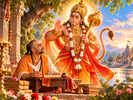
What makes someone truly great? Is it the ability to win a war, rule a kingdom, understand human emotions or guide others through life's toughest decisions? Lord Krishna's story brings all these qualities together. He appears as a playful child, a beloved figure in Vrindavan, a skilled strategist, a ruler and the teacher of the Bhagavad Gita. But the most fascinating part is how he moves between these roles without losing sight of his purpose. That is what makes Krishna far more than a single definition of greatness.
The Warrior Who Never Needed a Weapon
![Lord Krishna as Arjuna’s Charioteer]()
Lord Krishna as Arjuna’s Charioteer
Image credit : chatgp(ai)
During the Mahabharata war, Krishna chose to serve as Arjuna's charioteer rather than fight with a weapon. Yet his guidance played a crucial role in the Pandavas' campaign. He understood that battles are shaped not only by physical strength but also by timing, morale and clear thinking. His decision also reflects control over personal ambition: he could influence events without needing to become the centre of the battlefield. Krishna showed that leadership does not always mean taking the spotlight. Sometimes, it means helping others recognise their strength.
The Philosopher Who Spoke to Everyone
![Krishna Sharing the Wisdom of the Bhagavad Gita]()
Krishna Sharing the Wisdom of the Bhagavad Gita
Image credit : chatgpt(ai)
The Bhagavad Gita begins with Arjuna facing a deeply personal crisis before battle. Instead of simply telling him to fight, Krishna discusses duty, the nature of the self, disciplined action and the importance of understanding one's responsibilities. His message is not limited to monks or spiritual seekers. It also speaks to people facing difficult choices in everyday life. One of its central lessons is to act sincerely without allowing the desire for a particular result to control every decision. Krishna turns a moment of confusion into a lasting conversation about life.
The Lover Who Understood Emotion
Krishna's stories in Vrindavan reveal a side very different from the strategist seen in the Mahabharata. His playful interactions, music and association with Radha and the gopis have inspired centuries of devotional poetry, music and art. In many devotional traditions, this love represents a deep connection between the human soul and the divine. These stories also remind readers that emotion has an important place in spiritual life. Wisdom does not have to mean becoming distant or emotionless. It can also mean understanding the depth of love, longing and devotion.
The Ruler Who Understood Responsibility
Krishna is traditionally associated with Dwarka, where he appears as a leader involved in alliances, political decisions and the protection of his people. His story challenges the idea that spirituality requires a person to withdraw completely from worldly responsibilities. Leadership demands difficult choices, attention to competing interests and a willingness to act when circumstances require it. Krishna's example suggests that responsibility and inner detachment can coexist. A person can participate fully in public life without allowing status, wealth or authority to become the sole measure of personal worth.
The Strategist Who Read the Situation
Krishna is often remembered for his strategic role in the Mahabharata. He understood the strengths, weaknesses and motivations of different people, and he knew that every decision had consequences. His actions sometimes raise complex questions about duty, justice and the use of strategy in a flawed world. Rather than presenting every situation as simple, the epic invites readers to think about what happens when moral principles collide with difficult realities. Krishna's role encourages a useful lesson: good decisions require more than good intentions. They also require judgment, awareness and responsibility for their consequences.
The Teacher Who Let Arjuna Choose
One of the most striking moments in the Bhagavad Gita comes near its conclusion. After explaining his teachings, Krishna tells Arjuna to reflect on them fully and then act as he chooses. This detail matters because Krishna does not end the conversation by demanding blind obedience. He gives Arjuna knowledge and space to think. The lesson remains relevant today: meaningful guidance should help people develop judgment, not make every decision for them. A good teacher does not simply provide answers. A good teacher helps others understand their choices.
The Secret Behind Krishna's Balance
Krishna's lasting appeal comes from the way his many roles connect. He can be affectionate without losing clarity, strategic without being reduced to ambition, and deeply involved in action while teaching detachment from its rewards. The Bhagavad Gita offers a framework for this balance: perform your duty sincerely, examine your motives and do not let success or failure define your entire identity. These ideas do not remove life's contradictions, but they offer a way to face them with greater awareness. Krishna's example is ultimately about bringing different parts of life into balance.
What We Can Learn From Krishna
Krishna's story offers practical lessons for modern life. Think carefully before reacting, listen to people whose experiences differ from yours, take responsibility for your decisions and stay open to learning. When a situation changes, be willing to adapt without abandoning your core values. And when you guide others, help them think rather than forcing them to agree. These principles do not promise that every problem will have an easy solution. They can, however, help us approach complex situations with greater patience, perspective and self-awareness.
Unlock insightful tips and inspiration on personal growth, productivity, and well-being. Stay motivated and updated with the latest at
My Life XP.