9 Things Lord Ganesha Can Teach You About Living Better
Noopur Kumari | Sept 17, 2026, 12:00 IST
Lord Ganesha's form is filled with symbols that go far beyond appearance. His nine distinctive features can be seen as reminders about listening, focus, ambition, acceptance, adaptability, kindness and self-belief. Discover the deeper life lessons traditionally associated with Ganesha's big ears, small eyes, broken tusk, large stomach, trunk and other symbolic features.

Lord Ganesha's 9 Body Parts Hide Powerful Life Lessons
Image credit : ChatGPT(AI)
We all recognise Lord Ganesha by his elephant head, large ears, trunk and distinctive form. But have you ever wondered why he is traditionally depicted this way? Beyond devotion and symbolism, each feature of Ganesha's form is often interpreted as carrying a practical lesson for life. His big ears can remind us to listen more, his small eyes to stay focused, and his broken tusk to understand sacrifice. These symbols can feel surprisingly relevant even today, especially when distractions, pressure and constant noise make it difficult to live with clarity.
![Lord Ganesha]()
In a world where everyone wants to speak and be heard, Ganesha's large ears offer a simple reminder: listen more. Good listening helps us understand people, learn from experience and avoid unnecessary misunderstandings. It does not mean staying silent all the time. It means giving someone your full attention before deciding how to respond. At work, listening can help you understand instructions better. In relationships, it can help you notice what someone is actually trying to say. The symbolic lesson is simple: sometimes, wisdom begins when we stop preparing our reply and start paying attention.
![Sage Vyasa and Lord Ganesha]()
Ganesha's small mouth can be interpreted as a lesson in speaking with purpose. We often spend too much energy explaining what we plan to do instead of actually doing it. Words can inspire, but consistent action creates results. This symbolism encourages us to avoid unnecessary gossip, arguments and promises that we cannot keep. If you have an important goal, you do not need to announce every step to everyone. Work quietly, stay consistent and allow your actions to show your progress. The deeper message is not that we should never speak, but that our words should have meaning and our actions should carry greater weight.
Small eyes can symbolise focus and concentration. Modern life constantly competes for our attention through phones, notifications, social media and endless distractions. Ganesha's focused gaze can therefore serve as a powerful visual reminder to stay connected with what truly matters. Your goal may take months or years to achieve, and distractions will always appear along the way. The lesson is to keep returning your attention to the task in front of you. Instead of trying to eliminate every distraction, build the habit of recognising it and coming back to your purpose. Progress often begins with knowing where to look.
Ganesha's large head is commonly associated with wisdom, intelligence and the ability to think deeply. As a life lesson, it can encourage us to think beyond our current circumstances. Your present situation does not necessarily define your future. A difficult phase, a failed attempt or limited resources may shape your journey, but they do not have to become the boundary of your ambition. Think about what you want to build before worrying about every obstacle in front of you. Big dreams still require practical steps, but the first step is allowing yourself to imagine a possibility larger than your current reality.
The broken tusk is one of the most recognisable symbols associated with Ganesha, and different traditions offer different stories about how it came to be. As a life lesson, it can represent sacrifice and determination. Achieving something meaningful sometimes requires giving up comfort, distractions or even things we value. A student may sacrifice entertainment to prepare for an important exam. An entrepreneur may give up free time while building a business. Sacrifice does not mean losing everything for success. It means understanding what matters most and being willing to let go of something less important when your goal demands commitment.
Life does not always give us the outcome we expect. There are moments of success, disappointment, happiness and uncertainty. Ganesha's large stomach is often interpreted symbolically as the ability to accept and contain life's experiences. Acceptance does not mean approving of everything that happens. It means acknowledging reality without allowing every setback to destroy your peace. When something goes wrong, ask what the experience can teach you instead of endlessly replaying it. Learning to accept both pleasant and difficult moments can make us emotionally steadier. The lesson is to experience life fully while developing the strength to carry what comes with it.
Ganesha's trunk can symbolise adaptability because it represents both strength and flexibility. Life changes quickly, and being strong does not mean refusing to change direction. His blessing hand can remind devotees to spread kindness and positivity through their behaviour. Even a small act can make someone's difficult day easier. The mouse, traditionally associated with Ganesha, is often interpreted in different ways, but it can also inspire a lesson about never underestimating small things. Something tiny can carry surprising potential. Together, these symbols offer a practical message: stay flexible, be kind and never assume that size determines your ability to make an impact.
The beauty of Ganesha's symbolism is that these lessons can be practised in ordinary life. Listen carefully. Speak thoughtfully. Stay focused. Think beyond your circumstances. Accept meaningful sacrifices. Handle life's ups and downs with patience. Adapt when situations change. Spread kindness and never underestimate your own potential. These ideas do not promise a problem-free life, but they can help us respond to problems with greater awareness. That is perhaps why Ganesha's familiar form continues to hold such meaning for devotees. Behind every feature is a reminder that a peaceful and purposeful life is built through everyday choices.
Unlock insightful tips and inspiration on personal growth, productivity, and well-being. Stay motivated and updated with the latest at My Life XP
Big Ears: Learn to Listen
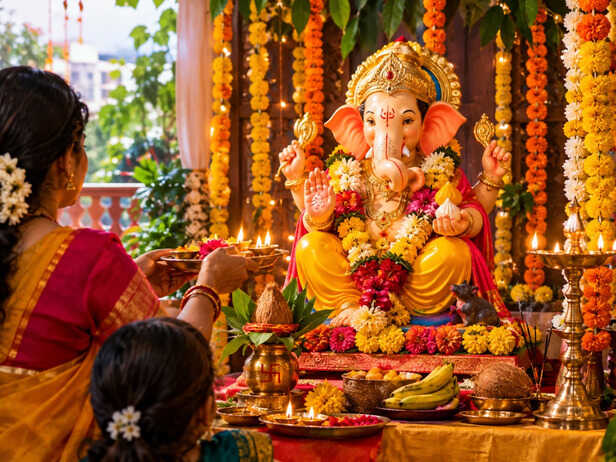
Lord Ganesha
Image credit : CHATGPT(AI)
In a world where everyone wants to speak and be heard, Ganesha's large ears offer a simple reminder: listen more. Good listening helps us understand people, learn from experience and avoid unnecessary misunderstandings. It does not mean staying silent all the time. It means giving someone your full attention before deciding how to respond. At work, listening can help you understand instructions better. In relationships, it can help you notice what someone is actually trying to say. The symbolic lesson is simple: sometimes, wisdom begins when we stop preparing our reply and start paying attention.
Small Mouth: Let Actions Speak

Sage Vyasa and Lord Ganesha
Image credit : CHATGPT(AI)
Ganesha's small mouth can be interpreted as a lesson in speaking with purpose. We often spend too much energy explaining what we plan to do instead of actually doing it. Words can inspire, but consistent action creates results. This symbolism encourages us to avoid unnecessary gossip, arguments and promises that we cannot keep. If you have an important goal, you do not need to announce every step to everyone. Work quietly, stay consistent and allow your actions to show your progress. The deeper message is not that we should never speak, but that our words should have meaning and our actions should carry greater weight.
Small Eyes: Protect Your Focus
Big Head: Think Beyond Limits
Broken Tusk: Understand Sacrifice
Large Stomach: Accept Life Fully
Trunk, Hand and Mouse: Stay Adaptable
The Bigger Lesson From Ganesha
Unlock insightful tips and inspiration on personal growth, productivity, and well-being. Stay motivated and updated with the latest at My Life XP