Are You Following Dharma or Simply Pleasing Everyone?
Noopur Kumari | Aug 21, 2026, 16:00 IST
The real lesson of dharma may not be about becoming “good enough.” It may be about discovering what is truly yours to do, having the courage to pursue it and learning where responsibility ends and self-abandonment begins.

Good People Struggle With Money
Image credit : ChatGPT (AI)
Why do some deeply kind and honest people struggle financially while others seem to move ahead with ease?
The answer may not be that they are doing something wrong. It may be that they have misunderstood what dharma actually asks of them.
Many people grow up believing that being dharmic simply means being kind, helping others, following traditions and avoiding wrongdoing. But the Bhagavad Gita presents a deeper idea through svadharma, the responsibility to live according to one's own nature and duty.
That creates an uncomfortable question: What if constantly abandoning your own path in order to please everyone else is also a form of imbalance?
![Krishna follow Dharma…]()
Dharma is often reduced to a simple idea: be good and do good. But the Bhagavad Gita gives the concept greater depth. In Chapter 3, Verse 35, Krishna says it is better to perform one's own dharma imperfectly than another's dharma perfectly. This teaching points toward svadharma, or one's own nature, role and responsibility. It does not mean ignoring ethics or responsibilities. Instead, it asks us to understand what genuinely belongs to us. Sometimes the biggest mistake is not choosing the wrong path. It is spending years walking someone else's path because we are afraid to disappoint them.
![Krishna Lesson for Your Birth Date]()
There is a difference between responsibility and constantly abandoning yourself. Imagine someone who has a talent but repeatedly refuses opportunities because they fear being called selfish. Or someone who works hard but never asks for fair compensation because asking for more feels uncomfortable. These choices may look humble from the outside, but over time they can create resentment, exhaustion and financial stagnation. Living your svadharma does not mean becoming selfish or abandoning your family. It means asking an honest question: Am I making this choice from genuine responsibility, or simply from fear of what people will think?
Arjuna's crisis was not simply about fear. He was caught between competing duties, emotions and expectations. Krishna did not tell him to run away from responsibility. He guided him toward clarity about his own role. That distinction matters today. Many people make major decisions based almost entirely on family expectations, social approval or fear of criticism. They may choose a career they dislike, suppress their ambitions or remain silent when they should speak. Svadharma is not permission to ignore others. It is a reminder that your entire life cannot be built around becoming acceptable to everyone else.
Working harder does not automatically guarantee financial growth. Sometimes the problem is direction, not effort. A talented person may spend years doing work that does not use their strongest abilities. Another may continually accept less money than their skills deserve. Someone else may keep changing direction because they compare their journey with others. This is where the idea of alignment becomes useful. Dharma is not a magical promise of wealth. Instead, living according to your abilities, values and responsibilities can help you make clearer decisions about work, money and growth. Financial success still requires skill, planning, opportunity and consistent action.
It is tempting to say that Lakshmi automatically comes to anyone who follows dharma. But that oversimplifies Hindu spiritual traditions. Lakshmi represents prosperity and auspiciousness, yet financial outcomes are influenced by many practical realities, including skills, circumstances, decisions and opportunities. Spirituality should not become a promise that wealth will appear simply because someone is morally good. A more meaningful interpretation is to see prosperity as something that can include resources, stability, dignity, wisdom and the ability to create value. Dharma can guide how we pursue these things, but it should not replace practical financial responsibility.
Start with three simple questions. What am I naturally good at? What responsibilities genuinely belong to me? What kind of work gives my life meaning while allowing me to contribute? Then look at where your actions do not match your answers. If you have valuable skills, learn to communicate them. If you consistently undercharge, understand why. If you have a dream worth pursuing, create a realistic plan instead of waiting for perfect permission. Svadharma does not require abandoning your family or responsibilities. It asks you to stop confusing constant self-denial with virtue.
The deeper lesson is not that every good person deserves instant wealth. Life is far more complicated than that. The lesson is that being good and living authentically are not always the same thing. You can help others without destroying yourself. You can love your family without abandoning your ambitions. You can be generous while still charging fairly for your work. You can follow your responsibilities while building a life that reflects your own abilities. Dharma asks for responsibility, but it also asks for discernment. Sometimes the bravest spiritual decision is simply to stop living entirely according to someone else's expectations.
Perhaps the question should not be, “Why hasn't Lakshmi rewarded me yet?”
A better question is:
“Am I living in alignment with my abilities, responsibilities and values?”
The Bhagavad Gita does not present dharma as a simple formula for becoming wealthy. Its teaching on svadharma points toward something deeper: do not abandon your own nature merely to perfectly imitate someone else's life.
You may have responsibilities. You may have people who depend on you. You may have fears.
But that does not mean your dreams must disappear.
Start small. Build your skills. Ask for fair value. Make practical financial plans. Set healthy boundaries. And choose your responsibilities consciously rather than automatically.
Because dharma is not simply about being good to everyone else. It is also about having the courage to live your own rightful path.
Unlock insightful tips and inspiration on personal growth, productivity, and well-being. Stay motivated and updated with the latest at My Life XP.
The answer may not be that they are doing something wrong. It may be that they have misunderstood what dharma actually asks of them.
Many people grow up believing that being dharmic simply means being kind, helping others, following traditions and avoiding wrongdoing. But the Bhagavad Gita presents a deeper idea through svadharma, the responsibility to live according to one's own nature and duty.
That creates an uncomfortable question: What if constantly abandoning your own path in order to please everyone else is also a form of imbalance?
Dharma Is More Than Being A Good Person
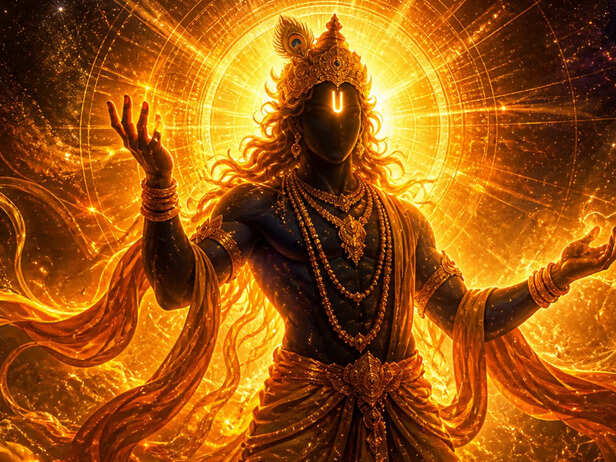
Krishna follow Dharma…
Image credit : CHATGPT(AI)
Dharma is often reduced to a simple idea: be good and do good. But the Bhagavad Gita gives the concept greater depth. In Chapter 3, Verse 35, Krishna says it is better to perform one's own dharma imperfectly than another's dharma perfectly. This teaching points toward svadharma, or one's own nature, role and responsibility. It does not mean ignoring ethics or responsibilities. Instead, it asks us to understand what genuinely belongs to us. Sometimes the biggest mistake is not choosing the wrong path. It is spending years walking someone else's path because we are afraid to disappoint them.
When Responsibility Becomes Self-Abandonment

Krishna Lesson for Your Birth Date
Image credit : CHATGP(AI)
There is a difference between responsibility and constantly abandoning yourself. Imagine someone who has a talent but repeatedly refuses opportunities because they fear being called selfish. Or someone who works hard but never asks for fair compensation because asking for more feels uncomfortable. These choices may look humble from the outside, but over time they can create resentment, exhaustion and financial stagnation. Living your svadharma does not mean becoming selfish or abandoning your family. It means asking an honest question: Am I making this choice from genuine responsibility, or simply from fear of what people will think?
Krishna's Teaching Challenges People-Pleasing
Why Hard Work Alone May Not Create Abundance
Lakshmi Is Not A Shortcut To Wealth
How To Find Your Svadharma
Dharma Requires Courage, Not Just Sacrifice
The Real Meaning Of Abundance
A better question is:
“Am I living in alignment with my abilities, responsibilities and values?”
The Bhagavad Gita does not present dharma as a simple formula for becoming wealthy. Its teaching on svadharma points toward something deeper: do not abandon your own nature merely to perfectly imitate someone else's life.
You may have responsibilities. You may have people who depend on you. You may have fears.
But that does not mean your dreams must disappear.
Start small. Build your skills. Ask for fair value. Make practical financial plans. Set healthy boundaries. And choose your responsibilities consciously rather than automatically.
Because dharma is not simply about being good to everyone else. It is also about having the courage to live your own rightful path.
Unlock insightful tips and inspiration on personal growth, productivity, and well-being. Stay motivated and updated with the latest at My Life XP.