How Is Teej Different for Married and Unmarried Women?
Noopur Kumari | Aug 11, 2026, 16:00 IST
Teej is not only about fasting, swings, mehendi and colourful clothes. For many women, it is also a deeply personal festival connected with love, devotion and hopes for the future. The meaning can change depending on a woman's stage of life. Before marriage, the prayer may look toward the future. After marriage, it may focus on protecting and strengthening an existing relationship. This difference makes Teej much more than a traditional celebration. It becomes a festival where women express their hopes, relationships and faith in their own way.

Teej Different
Image credit : ChatGPT(ai)
Imagine two women sitting together on Teej morning. Both are dressed in beautiful green clothes, both have mehendi on their hands, and both are waiting for the same festive rituals to begin. From the outside, their Teej celebration may look almost identical. But there is one important difference hidden behind their prayers. A married woman may observe Teej with wishes for her husband's long life, marital happiness and family well-being. An unmarried woman may observe it with hopes of finding a suitable life partner. The festival is the same, but the emotion behind the prayer can be different.
![Celebration of Hariyali Teej]()
For an unmarried woman, Teej can carry the excitement of a future she has not yet experienced. In many traditions, unmarried women observe the fast and worship Goddess Parvati with the hope of finding a loving and suitable husband. The story of Parvati's devotion to Lord Shiva gives this tradition its emotional meaning. Her long penance is remembered as a symbol of determination and faith. So, for a young woman, Teej may not simply be about getting married. It can represent a prayer for a relationship built on love, respect, understanding and companionship.
![Married Woman Performing Teej Puja]()
After marriage, the focus of Teej often becomes more personal. A married woman may observe the fast and pray for her husband's long life, a happy marriage and peace within the family. The same Goddess Parvati who represents devotion before marriage now becomes a symbol of marital strength. This is where the emotional difference becomes clear. An unmarried woman may be praying for the right person to enter her life, while a married woman may be praying for the relationship she already has to remain strong. The ritual may look similar, but the hope behind it has changed.
Think about two sisters celebrating Teej together. The younger sister may quietly wish for a future partner who understands her. Her married sister may pray for health, happiness and harmony in her family. They may share the same mehendi, sweets, songs and puja preparations, yet their personal stories are completely different. That is what makes Teej interesting. It does not have to mean exactly the same thing to every woman. Traditions often carry different emotions depending on where a person stands in life. The ritual stays familiar, but the prayer becomes personal.
The story of Goddess Parvati is the common thread connecting both groups of women. According to Hindu tradition, Parvati performed severe penance with the desire to have Lord Shiva as her husband. Her devotion is remembered during Teej celebrations. For unmarried women, her story can represent hope, patience and devotion toward a future relationship. For married women, it can represent commitment and the strength of a marital bond. This is why Goddess Parvati remains central to Teej worship. Her story gives the festival a deeper meaning beyond fasting, dressing up and celebration.
It is easy to think of Teej only as a fasting festival. But the emotional side is just as important. Women may spend the day praying, listening to vrat katha, applying mehendi, wearing traditional clothes and joining family celebrations. The fast itself is understood as an act of devotion in traditions that observe it. However, people should remember that fasting practices can vary by family, region and health needs. Anyone with a medical condition, pregnancy or other health concern should seek appropriate medical advice before undertaking a strict fast. Faith should never require ignoring one's health.
Teej has changed with time, but its emotional appeal remains strong. Today, women may celebrate with family gatherings, social events, music, mehendi and traditional outfits while still following the spiritual rituals passed down through generations. For some, the festival is deeply religious. For others, it is also a celebration of womanhood, relationships and culture. The difference between married and unmarried women is therefore not a strict rule about who can celebrate. Instead, it reflects the traditional meanings attached to different stages of life. The same festival can hold a different dream for every woman.
At its heart, Teej tells a story about devotion, patience and hope. An unmarried woman may look toward the future, while a married woman may pray for the happiness of the present relationship. But both connect with the same story of Goddess Parvati and her devotion to Lord Shiva. That is the beauty of the festival. Teej does not have just one emotion. It changes with the person celebrating it. Behind the colourful clothes, swings and festive songs are simple human wishes: to find love, protect love and build a happy life with the people who matter most.
Unlock insightful tips and inspiration on personal growth, productivity, and well-being. Stay motivated and updated with the latest at My Life XP.
Before Marriage, The Prayer Looks Ahead
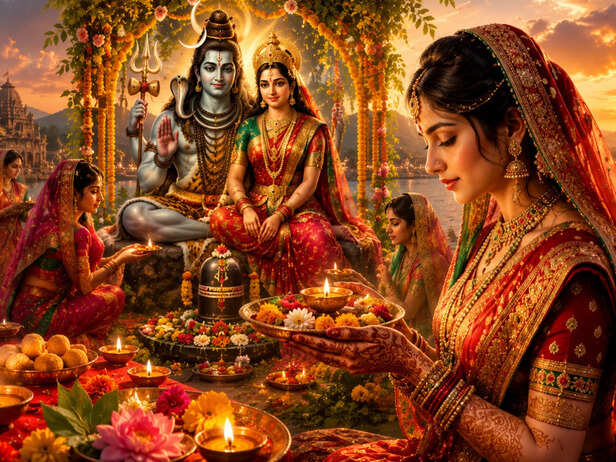
Celebration of Hariyali Teej
Image credit : CHATGPT(AI)
For an unmarried woman, Teej can carry the excitement of a future she has not yet experienced. In many traditions, unmarried women observe the fast and worship Goddess Parvati with the hope of finding a loving and suitable husband. The story of Parvati's devotion to Lord Shiva gives this tradition its emotional meaning. Her long penance is remembered as a symbol of determination and faith. So, for a young woman, Teej may not simply be about getting married. It can represent a prayer for a relationship built on love, respect, understanding and companionship.
After Marriage, The Prayer Changes
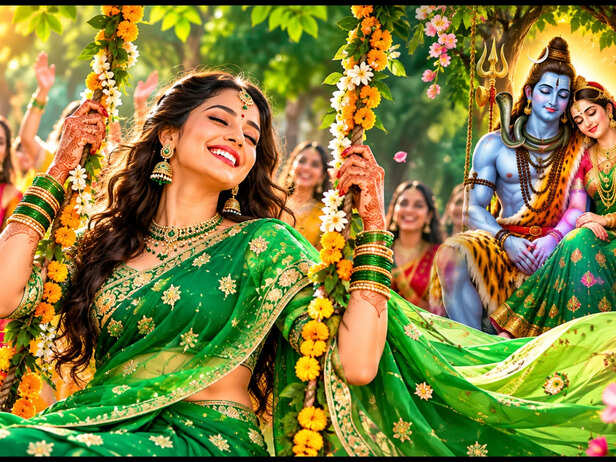
Married Woman Performing Teej Puja
Image credit : ChatGPT(AI)
After marriage, the focus of Teej often becomes more personal. A married woman may observe the fast and pray for her husband's long life, a happy marriage and peace within the family. The same Goddess Parvati who represents devotion before marriage now becomes a symbol of marital strength. This is where the emotional difference becomes clear. An unmarried woman may be praying for the right person to enter her life, while a married woman may be praying for the relationship she already has to remain strong. The ritual may look similar, but the hope behind it has changed.
One Festival, Two Personal Stories
Goddess Parvati Connects Both
The Fast Is Not Just About Food
Why Teej Still Feels Special Today
The Real Meaning Behind Teej
Unlock insightful tips and inspiration on personal growth, productivity, and well-being. Stay motivated and updated with the latest at My Life XP.