One teasing remark from Lord Shiva is said to have deeply hurt Goddess Parvati. But what happened next turned her story into one of the most meaningful lessons associated with Mahagauri, the eighth form of Goddess Durga worshipped during Navratri. According to a popular version of the katha, Parvati performed intense penance and later bathed in Lake Mansarovar. When she emerged, her form shone with a radiant, moon-like whiteness. Behind this divine transformation lies a powerful question: after fighting your hardest battles, can you also find the strength to let go of the pain they leave behind?
The Remark That Hurt Goddess Parvati
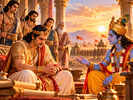
![Goddess Parvati and Lord Shiva in Kailash]()
Goddess Parvati and Lord Shiva in Kailash
Image credit : chatgpt(ai)
According to a popular telling of the Mahagauri katha, Goddess Parvati's complexion darkened after she took the fierce form of Kaalratri. Lord Shiva reportedly made a teasing remark about her appearance, leaving Parvati deeply hurt. Although the comment may have been intended lightly, it affected her profoundly. She decided to undertake intense penance to Lord Brahma. This episode is part of the devotional storytelling tradition, and details vary across versions. Its emotional core remains relatable: even words spoken casually can hurt someone we love, especially when they touch a personal insecurity.
Why Parvati Chose Intense Penance
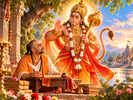
![Himalayan Goddess in Divine Meditation]()
Himalayan Goddess in Divine Meditation
Image credit : chatgpt(ai)
Parvati's penance represents determination and her desire to fulfil her spiritual purpose. Rather than allowing the episode to define her, she turns towards intense worship and seeks divine guidance. In the popular account, she continues her penance until Lord Brahma appears before her. The story's long period of austerity also invites reflection on how deeply emotional wounds can affect us. When we hold on to hurt for too long, it can occupy our thoughts and influence our choices. Parvati's journey brings this struggle into focus before the story takes an unexpected turn.
Brahma's Simple Instruction
When Lord Brahma finally appears, he gives Parvati a clear instruction: bathe in Lake Mansarovar. The sacred lake becomes the turning point in her story. Instead of another long period of penance, the next step is simple but deeply symbolic. Parvati follows his guidance and enters the water. In the popular katha, the lake is where her darkened form gives way to a luminous, radiant appearance. The moment shifts the story from struggle towards renewal, suggesting that even after a difficult period, a new beginning may be possible.
How Parvati Became Mahagauri
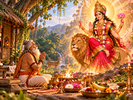
As Parvati emerges from Lake Mansarovar, her complexion becomes as bright as milk and the moon. This radiant form is associated with the name Mahagauri, commonly understood as the great fair or radiant goddess. The transformation marks a change from the fierce imagery associated with Kaalratri to the calm, peaceful appearance of Mahagauri. In devotional interpretation, her white form represents purity, serenity, and clarity. The story is not simply about a change in appearance. It also marks a movement from intense struggle towards peace, making Mahagauri a powerful symbol of renewal in Hindu tradition.
The Hidden Meaning of Mansarovar
Lake Mansarovar holds a sacred place in Hindu tradition and is associated with spiritual purity. Within Mahagauri's story, its waters can also be understood symbolically as a reminder to clear the mind after a difficult experience. Anger, disappointment, and painful memories can linger long after a conflict has ended. Letting go does not mean pretending that nothing happened or accepting repeated hurt. It means choosing not to let that experience control every moment that follows. Through this interpretation, Mansarovar becomes a symbol of reflection, emotional release, and the chance to begin again with greater clarity.
What Mahagauri's Symbols Reveal
Mahagauri is traditionally depicted riding a white bull, known as Vrishabha, and having four arms. One hand displays Abhaya Mudra, the gesture of fearlessness, while another holds a trident. Her other hands hold a damaru, or small drum, and display Varada Mudra, the gesture of granting blessings. The bull represents steadiness, while the trident reflects divine power. Her white appearance is associated with purity and peace. Together, these symbols bring two qualities into one image: the strength to face difficulties and the calm needed to live beyond them.
The Lesson Mahagauri Offers Us
Mahagauri's story offers a practical lesson for everyday life. When a serious problem arises, face it with courage instead of avoiding it. But when the situation has passed, give yourself permission to heal rather than reliving the conflict endlessly. During Navratri, devotees worship Mahagauri on the eighth day, Ashtami, seeking peace, purity, and blessings. You can carry the spirit of her story into daily life by pausing before reacting, speaking honestly about hurt, and making room for forgiveness where it is appropriate. Strength is not only about winning a difficult battle; it is also about finding peace afterwards.
Unlock insightful tips and inspiration on personal growth, productivity, and well-being. Stay motivated and updated with the latest at
My Life XP.