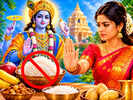
A grandmother's hand covers a child's, pressing both palms together before the first bite. The rice is still hot. The child is hungry and fidgeting. But the hands fold, and for a moment, everything pauses. That pause is the whole point.
This gesture travels across Indian homes with a consistency that cuts across region, language, and faith. It is not a rule written anywhere. It is transmitted by demonstration, by a look, by the soft insistence of someone who learned it the same way. And it carries something that takes most people decades to name.
What the Tradition Actually Says About Food
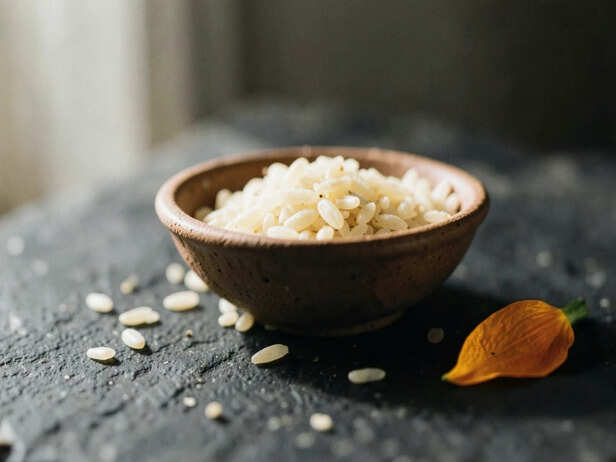
![Rice, Petal, Stone]()
Rice, Petal, Stone
Image credit : MyLifeXP Bureau
In Hindu devotional thought, food is not separate from the sacred. The Bhagavad Gita holds that what is offered to the divine before being consumed becomes prasad, something received rather than simply taken. The folded hands before a meal are a condensed version of this offering. The child is not performing a ritual so much as acknowledging that the food in front of her arrived through effort she did not make and rain she did not call.
The Sanskrit word for this gesture is anjali. It appears in devotional contexts across Hindu, Buddhist, and Jain traditions, each with its own shade of meaning, but the common thread is the same: a gesture of recognition directed outward, away from the self. Placed before a meal, it says that eating is not a private act. It connects the person at the table to the farmer, the cook, the soil, and in many traditions, to the divine presence understood to inhabit food itself.
Why a Grandmother Is Usually the One Who Teaches It
This is not accidental. In most Indian households, the grandmother occupies a particular position in the transmission of practice. She is not the authority figure who enforces rules. She is the one who shows. She folds her own hands first, and the child mirrors her, which is exactly how embodied knowledge moves between generations.
There is also a patience in this teaching that the pace of a parent's day rarely allows. A grandmother can wait for the gesture to become natural rather than demanded. She can explain, in the language of story rather than instruction, why the hands fold. She might say that the food has a life in it. She might say that the earth gave this. She might say nothing at all and simply hold the child's hands together until the child understands through the body rather than the mind.
Popular tradition in many parts of India holds that a meal eaten in gratitude nourishes differently from one eaten in distraction or hurry. Whether or not one holds that belief, the behavioural reality behind it is straightforward: a child who pauses before eating has, for one moment, been asked to be present.
What the Child Actually Learns
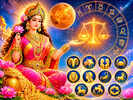
![_Krishna Curse His Own Son Samba With Leprosy]()
_Krishna Curse His Own Son Samba With Leprosy
The folded hands teach several things at once, none of which are announced as lessons.
The first is attention. The gesture interrupts the momentum toward the plate. The child who has been running, arguing, or watching something is asked to stop and arrive at the table. This is not a small thing in a household where meals are often the only moment the family is still together.
The second is proportion. The gesture positions the child as a receiver rather than a claimant. This is a quietly radical reframing for a young person who is still learning that the world does not exist solely to meet her needs. It does not diminish her. It places her inside a web of relations rather than at the centre of one.
The third is habit as carrier of meaning. The child does not understand the full significance of anjali at four years old. But the body remembers what the mind has not yet processed. Years later, when the grandmother is no longer at the table, the hands may fold on their own, and in that moment, the full weight of what was transmitted arrives.
How the Gesture Changes Across Regions
The form varies. In some South Indian households, the folded hands are accompanied by a short prayer or a line from a devotional text. In some North Indian homes, the gesture is directed toward the food itself, or toward a lamp burning nearby. In Jain households, a moment of silence before eating carries a similar intention, rooted in the awareness that every meal involves a form of taking. In Sikh tradition, the langar is always preceded by an expression of gratitude, collective rather than individual.
What does not vary is the underlying movement: a turning of attention outward before turning inward to eat. The grandmother who teaches this may not describe it in these terms. She simply knows that a child who learns to pause before receiving is learning something that will outlast every other lesson she gives.
Why It Stays
Rituals that are taught through demonstration rather than explanation tend to root more deeply than those taught through instruction. The child who was made to fold her hands before eating carries a physical memory, not a rule. Rules can be forgotten or rejected. A physical memory resurfaces in the body at unexpected moments, at a table far from home, at a meal eaten alone, at a moment of particular fullness or particular lack.
The grandmother who pressed two small palms together before the rice was served was not teaching table manners. She was teaching the child how to be in relation to the world that feeds her. That is a different kind of lesson, and it arrives in a different kind of way, through the hands, before the first bite, in the pause that holds everything.
Unlock insightful tips and inspiration on personal growth, productivity, and well-being. Stay motivated and updated with the latest at
My Life XP.