Was Shukracharya Really a Villain? The Truth Revealed
Noopur Kumari | Sept 01, 2026, 15:00 IST
Dev and Asur stories may seem like a simple battle between good and evil, but Shukracharya breaks that pattern. Known as the Asura guru and associated with Shukra, or Venus, he was a powerful figure in Hindu tradition. His story combines tapasya, Shiva’s grace, Sanjeevani Vidya and worldly wisdom. But why is he honoured among the Navgrahas?

Dev and Asur stories
Image credit : ChatGPT (ai)
What if the Dev and Asur stories were never meant to be understood as simply heroes versus villains?
One of the strongest examples is Shukracharya, the legendary guru of the Asuras. He is often remembered as the opponent of the Devas and the rival of Brihaspati, the guru of the Devas. Yet his story carries something much deeper.
Shukracharya was a master of knowledge, tapasya, diplomacy and powerful spiritual practices. His association with Shukra, Venus, also connects him with beauty, love, prosperity, creativity and worldly pleasures. His journey brings him into stories involving Shiva, Vishnu, Brahma, Indra and other major figures.
So the real question is not simply why Shukracharya opposed the Devas.
The more fascinating question is what his story teaches us about dharma, power, desire and justice.
![Shukracharya Guiding the Asuras]()
Shukracharya was not simply a warrior standing against the Devas. Traditional Hindu narratives describe him as the guru and adviser of the Asuras, giving them knowledge, strategy and guidance. His opposition to the Devas was deeply connected with his loyalty toward those who accepted him as their teacher. This makes his character more complicated than a conventional villain. He possessed extraordinary knowledge, but he used it to strengthen the side he had chosen. His story raises an uncomfortable question: Does standing with your followers make you righteous, even when your side is fighting the Devas? That tension makes Shukracharya fascinating.
![Shukracharya Performing Severe Tapasya]()
One of the most dramatic parts of Shukracharya’s story involves his severe penance to Lord Shiva. Traditional accounts describe him seeking extraordinary knowledge and divine power through intense tapasya. The most famous gift associated with him is Mrita Sanjeevani Vidya, the knowledge capable of restoring the dead to life. This gave the Asuras a tremendous advantage in their conflicts with the Devas. Every time their warriors fell, Shukracharya could potentially bring them back. His spiritual achievement therefore became a strategic weapon. The story also shows how tapasya can create immense power, regardless of which side a person supports.
Shukracharya’s story becomes even more interesting when compared with Brihaspati, the guru of the Devas. Both are associated with extraordinary wisdom, but they serve opposite sides. Brihaspati represents the Devas, while Shukracharya guides the Asuras. Their rivalry is therefore not simply about personal hatred. It reflects a larger cosmic contrast between two forms of knowledge and two competing forces. Shukracharya understood politics, strategy and worldly realities, while his association with Venus connected him with another dimension of life. Their stories remind us that knowledge itself is powerful, but the purpose for which it is used can completely change its impact.
Here comes the twist that many people overlook. Shukracharya is traditionally associated with Shukra, the planet Venus, one of the Navgrahas. In Jyotisha, Shukra is connected with themes such as beauty, love, pleasure, relationships, artistic ability, luxury and material comforts. This creates a fascinating contrast. The same figure remembered as the guru of the Asuras is also connected with qualities that people actively seek in everyday life. This is why reducing Shukracharya to a villain misses an important part of his symbolism. His story represents the complicated side of worldly life, where desire, beauty, attachment and wisdom can exist together.
Shukra is often associated with everything that makes worldly life attractive: love, beauty, comfort, creativity and pleasure. But Sanatan thought does not necessarily teach that these things are automatically wrong. The deeper question is whether we control desire or become controlled by it. This makes Shukracharya’s symbolism surprisingly relevant today. Money, relationships, beauty and success can enrich life, but attachment to them can also create suffering. His story can therefore be read as a reminder that worldly knowledge has value, but wisdom requires knowing where desire should lead and where it should stop.
Perhaps the most human part of Shukracharya’s story is that immense knowledge did not make him master of destiny. He could perform extraordinary tapasya, advise powerful beings and possess knowledge capable of reversing death, yet he still faced circumstances beyond his control. His stories repeatedly bring together power and limitation. This is one reason his character feels so different from a simple villain. He could challenge the Devas, but he could not completely escape the larger order of the universe. His journey suggests that knowledge can increase our power, but it does not necessarily give us complete control over fate.
Shukracharya forces us to look beyond the usual black-and-white version of mythology. He was an Asura guru, a powerful tapasvi, a master associated with Sanjeevani Vidya and a figure connected with Shukra and Venus. He stood against the Devas, yet his story became part of a much larger spiritual and astrological tradition. That is the fascinating lesson. Sanatan stories often allow one character to carry contradictions rather than giving us an easy label. Shukracharya was neither simply a hero nor merely a villain. His story asks us to understand power, desire, loyalty and dharma before passing judgment.
Unlock insightful tips and inspiration on personal growth, productivity, and well-being. Stay motivated and updated with the latest at My Life XP.
One of the strongest examples is Shukracharya, the legendary guru of the Asuras. He is often remembered as the opponent of the Devas and the rival of Brihaspati, the guru of the Devas. Yet his story carries something much deeper.
Shukracharya was a master of knowledge, tapasya, diplomacy and powerful spiritual practices. His association with Shukra, Venus, also connects him with beauty, love, prosperity, creativity and worldly pleasures. His journey brings him into stories involving Shiva, Vishnu, Brahma, Indra and other major figures.
So the real question is not simply why Shukracharya opposed the Devas.
The more fascinating question is what his story teaches us about dharma, power, desire and justice.
The Guru Who Chose the Asuras
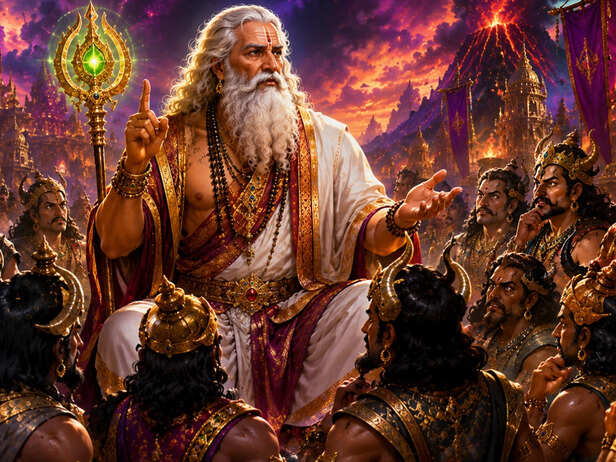
Shukracharya Guiding the Asuras
Image credit : ChatGPT(ai)
Shukracharya was not simply a warrior standing against the Devas. Traditional Hindu narratives describe him as the guru and adviser of the Asuras, giving them knowledge, strategy and guidance. His opposition to the Devas was deeply connected with his loyalty toward those who accepted him as their teacher. This makes his character more complicated than a conventional villain. He possessed extraordinary knowledge, but he used it to strengthen the side he had chosen. His story raises an uncomfortable question: Does standing with your followers make you righteous, even when your side is fighting the Devas? That tension makes Shukracharya fascinating.
The Power He Received From Shiva
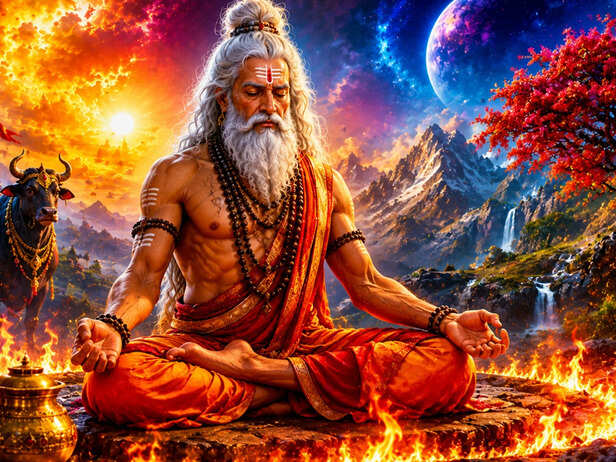
Shukracharya Performing Severe Tapasya
Image credit : ChatGPT (ai)
One of the most dramatic parts of Shukracharya’s story involves his severe penance to Lord Shiva. Traditional accounts describe him seeking extraordinary knowledge and divine power through intense tapasya. The most famous gift associated with him is Mrita Sanjeevani Vidya, the knowledge capable of restoring the dead to life. This gave the Asuras a tremendous advantage in their conflicts with the Devas. Every time their warriors fell, Shukracharya could potentially bring them back. His spiritual achievement therefore became a strategic weapon. The story also shows how tapasya can create immense power, regardless of which side a person supports.
Why Brihaspati Became His Rival
Shukra Became More Than a Name
His Greatest Lesson Is About Desire
Why He Could Not Escape Destiny
The Real Meaning Behind Shukracharya
Unlock insightful tips and inspiration on personal growth, productivity, and well-being. Stay motivated and updated with the latest at My Life XP.