What Makes These 4 Kali Temples in Bengal So Mysterious?
Noopur Kumari | Aug 16, 2026, 14:00 IST
What makes Bengal’s Kali temples so different from ordinary pilgrimage sites? Behind their grand entrances and familiar rituals are stories of divine dreams, determined devotees, Shakti Peetha traditions, tantric practices, and saints who experienced Maa Kali in extraordinary ways. From Rani Rashmoni’s struggle to establish Dakshineswar to the mysterious spiritual atmosphere of Tarapith, each shrine has a story of its own. Some accounts belong to scripture and tradition, while others have been preserved through local memory for generations. Here are four remarkable Kali temples whose stories reveal a deeper side of Bengal’s devotion to the Divine Mother.

Kali Temples of Bengal
Image credit : ChatGPT (AI)
Bengal has a unique relationship with Maa Kali. Here, Kali is not remembered only as the fierce goddess who destroys evil. She is also Maa, the compassionate mother who protects, guides, and walks beside her devotees. From the banks of the Ganga to the quiet landscapes of Birbhum, Bengal is filled with temples where devotion, folklore, Tantra, and centuries of spiritual traditions come together. Some of these shrines are famous across India, while others carry stories that are less widely known. Their legends reveal why Kali continues to hold such a powerful place in the spiritual life of Bengal.
![Maa Bhavatarini at Dakshineswar Kali Temple]()
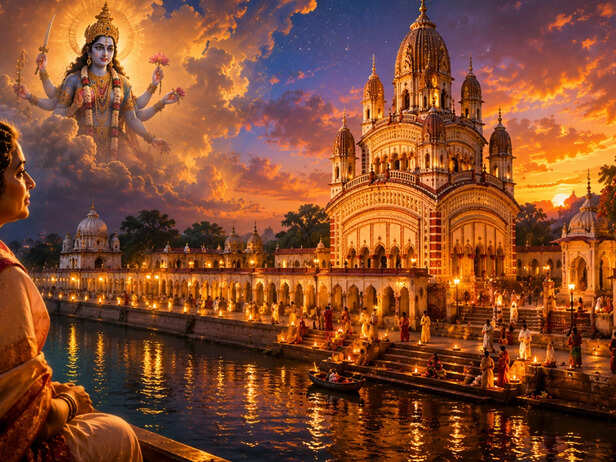
The story of Dakshineswar begins with Rani Rashmoni, who is traditionally said to have received a divine dream before travelling to Varanasi. According to the temple’s own historical account, she was inspired to build a temple for the Divine Mother on the banks of the Ganga. Construction began in 1847, and the temple was consecrated on May 31, 1855. The temple later became inseparably associated with Sri Ramakrishna Paramahamsa, whose intense devotion and spiritual practices made Dakshineswar a major centre of modern Hindu spirituality.
![: Rani Rashmoni and the Birth of Dakshineswar]()
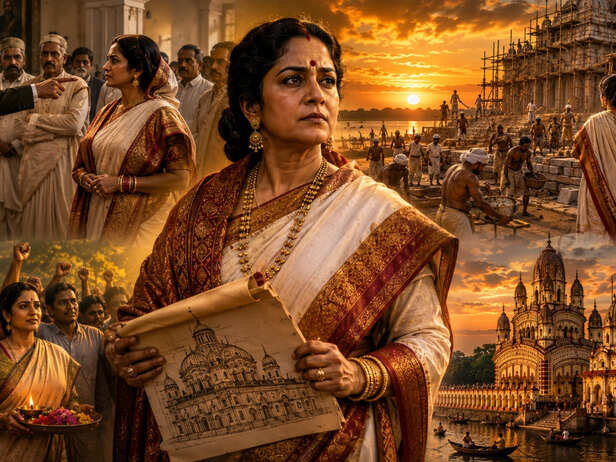
The creation of Dakshineswar was not simply a matter of building a beautiful temple. Rani Rashmoni faced opposition because of the social conventions surrounding temple ownership and ritual service at the time. The temple’s historical records explain that the property was dedicated in the name of her spiritual guide, allowing the worship to proceed according to prevailing religious expectations. What makes her story especially powerful is that her devotion did not remain private. She transformed her faith into a lasting place of worship, creating a sacred complex that brought together the Kali shrine, twelve Shiva temples, and a Radha-Krishna temple.
Kalighat stands at the heart of Kolkata and is traditionally revered as one of the Shakti Peethas. According to the Shakti Peetha tradition, a part of Sati’s body is believed to have fallen here. The present temple dates largely to the early 19th century, although references to Kalighat appear in much older Bengali literature. The image of Kali here is strikingly different from many conventional representations. Her dark face, three large eyes, golden tongue, and powerful expression create an unforgettable form of the Goddess. For devotees, Kalighat represents Kali in her raw, direct, and intensely protective aspect.
Tarapith in Birbhum is one of Bengal’s most distinctive Shakta pilgrimage centres. The temple is dedicated to Maa Tara, a form of the Divine Mother closely associated with Kali traditions. The shrine is particularly known for its connection with tantric worship and the cremation ground beside the temple. The legendary saint Bama Khepa is deeply associated with Tarapith and remains one of its most remembered spiritual figures. Stories about Sage Vashistha and the origins of the tantric tradition at Tarapith are preserved through religious lore and local tradition. For devotees, the cremation ground itself carries a profound message: the Divine Mother can be encountered beyond conventional ideas of fear and purity.
Near Bolpur in Birbhum lies Kankalitala, a revered Shakti shrine associated with the story of Sati. Traditional accounts identify the site as one of the Shakti Peethas, with the sacred pond beside the temple holding special importance in local belief. Unlike the grand urban presence of Dakshineswar or Kalighat, Kankalitala has a quieter atmosphere. Its connection with the Shakti Peetha tradition gives the place a deeper significance for devotees of the Goddess. The shrine reminds visitors that Bengal’s sacred landscape is not limited to its famous cities. Some of its most powerful stories live in peaceful rural settings.
The most beautiful feature of Bengal’s Kali tradition is the way devotees address the Goddess as Maa. Her fierce appearance does not necessarily represent cruelty. Instead, her darkness, weapons, and powerful expression are traditionally understood through ideas of protection, destruction of evil, and freedom from ego. This is why a devotee can approach Kali with both reverence and the intimacy of a child approaching its mother. Dakshineswar, Kalighat, Tarapith, and Kankalitala express this relationship in different ways. Their rituals and legends may vary, but the emotional connection remains remarkably similar: Maa is powerful enough to destroy fear and compassionate enough to hold her children close.
These temples show why Bengal’s relationship with the Divine Mother cannot be reduced to a single story. Dakshineswar represents devotion, spiritual awakening, and the determination of Rani Rashmoni. Kalighat carries the intensity of an ancient Shakti tradition within a modern metropolis. Tarapith represents the mysterious world of Tantra, devotion, and the cremation ground. Kankalitala connects devotees with the wider sacred geography of the Shakti Peethas. Some details belong to scripture, while others survive through regional traditions and oral storytelling. Together, they reveal a Bengal where the Goddess is not distant. She remains deeply woven into everyday faith and culture.
The temples of Bengal are more than places to offer flowers and prayers. They are living spaces where mythology, history, devotion, and local traditions have continued to meet for generations.
At Dakshineswar, a woman’s determination created a sacred landmark. At Kalighat, the fierce face of Kali continues to draw countless devotees. At Tarapith, devotion meets the mysterious world of Tantra. At Kankalitala, the ancient Shakti Peetha tradition lives on beside the peaceful landscape of Birbhum.
And perhaps this is the deepest reason Bengal calls Kali Maa.
She may appear fierce, but to her devotees, that fierce form is also a promise: when darkness comes, the Mother is still there.
Unlock insightful tips and inspiration on personal growth, productivity, and well-being. Stay motivated and updated with the latest at My Life XP
Dakshineswar: A Temple Born From a Dream
Maa Bhavatarini at Dakshineswar Kali Temple
Image credit : ChatGPT(AI)
The story of Dakshineswar begins with Rani Rashmoni, who is traditionally said to have received a divine dream before travelling to Varanasi. According to the temple’s own historical account, she was inspired to build a temple for the Divine Mother on the banks of the Ganga. Construction began in 1847, and the temple was consecrated on May 31, 1855. The temple later became inseparably associated with Sri Ramakrishna Paramahamsa, whose intense devotion and spiritual practices made Dakshineswar a major centre of modern Hindu spirituality.
Rani Rashmoni’s Remarkable Struggle
: Rani Rashmoni and the Birth of Dakshineswar
Image credit : ChatGPT(AI)
The creation of Dakshineswar was not simply a matter of building a beautiful temple. Rani Rashmoni faced opposition because of the social conventions surrounding temple ownership and ritual service at the time. The temple’s historical records explain that the property was dedicated in the name of her spiritual guide, allowing the worship to proceed according to prevailing religious expectations. What makes her story especially powerful is that her devotion did not remain private. She transformed her faith into a lasting place of worship, creating a sacred complex that brought together the Kali shrine, twelve Shiva temples, and a Radha-Krishna temple.
Kalighat: The Fierce Heart of Kolkata
Tarapith: Where Mother Appears as Tara
Kankalitala: A Shakti Peetha by the Kopai
Why Kali Is Called Maa in Bengal
Four Temples, Four Different Stories
The Stories Behind Bengal’s Divine Mother
At Dakshineswar, a woman’s determination created a sacred landmark. At Kalighat, the fierce face of Kali continues to draw countless devotees. At Tarapith, devotion meets the mysterious world of Tantra. At Kankalitala, the ancient Shakti Peetha tradition lives on beside the peaceful landscape of Birbhum.
And perhaps this is the deepest reason Bengal calls Kali Maa.
She may appear fierce, but to her devotees, that fierce form is also a promise: when darkness comes, the Mother is still there.
Unlock insightful tips and inspiration on personal growth, productivity, and well-being. Stay motivated and updated with the latest at My Life XP