Diwali is known for glowing diyas, sweets, new purchases, and the joyful return of Lord Rama to Ayodhya. But the festival carries stories that go far beyond one homecoming. From the appearance of Goddess Lakshmi in the Samudra Manthan tradition to Lord Krishna lifting Govardhan Hill, each day is connected with a different story, belief, or lesson. Some traditions even lead us to an ancient philosophical question: what can death teach us about life? Understanding these stories can make the five days of Diwali feel even more meaningful.
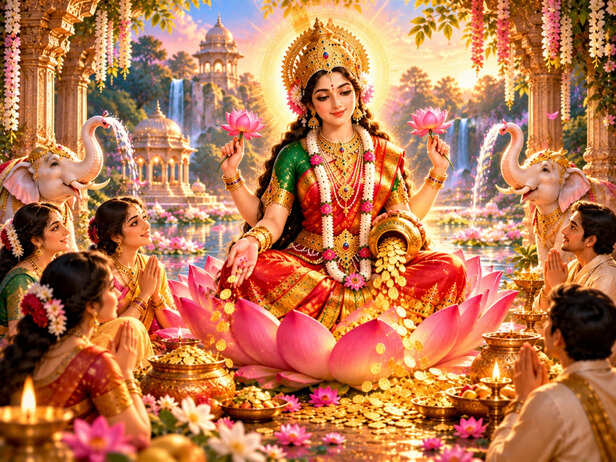
Dhanteras: The Arrival of Lakshmi
![Radiant Lakshmi Blessing the Lotus Temple]()
Radiant Lakshmi Blessing the Lotus Temple
Image credit : CHATGPT(AI)
Dhanteras marks the beginning of the Diwali festivities. According to Hindu tradition, Lord Dhanvantari emerged during the Samudra Manthan, or churning of the cosmic ocean, carrying the pot of amrita, the nectar of immortality. Goddess Lakshmi is also associated with this cosmic event in Hindu accounts. This is one reason the day is linked with health, prosperity, and new beginnings. Buying gold, silver, or household items is a popular custom, while Lakshmi Puja expresses the hope that wealth will be accompanied by well-being and wisdom.
Naraka Chaturdashi: The Defeat of Evil
The second day of the Diwali festival is widely known as Naraka Chaturdashi and is also associated with Kali Chaudas in some regions. One popular Hindu story describes Lord Krishna defeating the demon Narakasura and freeing those held captive by him. In other traditions, Kali Chaudas is associated with Goddess Kali and the destruction of evil. These regional stories share a powerful theme: darkness does not have to be permanent. The day invites people to let go of harmful habits, renew their intentions, and welcome the possibility of a fresh start.
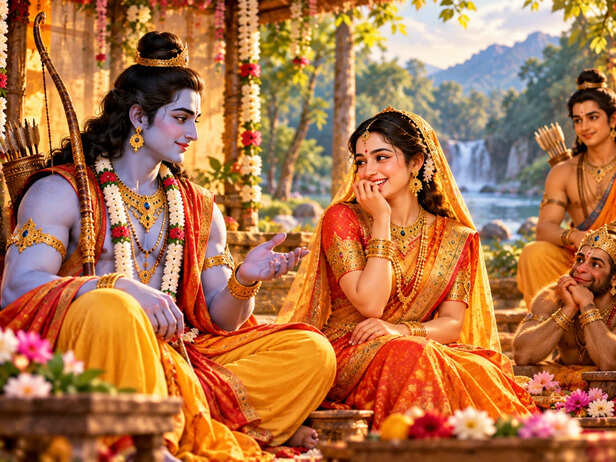
Diwali: Rama Returns to Ayodhya
![Ramayana Had Two Ravanas]()
Ramayana Had Two Ravanas
Image credit : CHATGPT(AI)
For many Hindus, Diwali celebrates the return of Lord Rama, Goddess Sita, and Lakshmana to Ayodhya after Rama’s victory over Ravana. According to the Ramayana tradition, the people welcomed them by lighting lamps, making light a lasting symbol of hope and celebration. Families continue this custom by decorating their homes, lighting diyas, sharing sweets, and worshipping Goddess Lakshmi. The story also reminds us that victory is not only about defeating an enemy. It is about upholding dharma, fulfilling responsibilities, and choosing what is right even when the journey is difficult.
Govardhan Puja: Krishna Protects His People
The day after Diwali is celebrated as Govardhan Puja in many parts of India. According to the Bhagavata Purana and other Hindu traditions, Lord Krishna lifted Govardhan Hill to protect the people of Vrindavan from torrential rain sent by Indra. The story is often understood as a lesson in humility, devotion, and respect for nature. Govardhan Puja also expresses gratitude for the land, cattle, food, and resources that sustain life. Through this celebration, the festival encourages people to recognise the value of nature and the communities that support them.
Bhai Dooj: A Bond Beyond Rituals
Bhai Dooj celebrates the relationship between brothers and sisters. One popular legend tells of Yama, the god associated with death, visiting his sister Yamuna, who welcomed him warmly. Pleased by her affection, Yama is said to have blessed the bond between siblings. Another regional tradition connects the day with Lord Krishna’s visit to his sister Subhadra after his victory over Narakasura. Although the stories differ, their central message remains similar: family relationships deserve time, care, and gratitude. The tilak and prayers become expressions of affection and wishes for a loved one’s well-being.
Yama and Nachiketa: The Question of Life
Diwali’s deeper philosophical connections can also inspire reflection on the Katha Upanishad, an ancient text featuring a conversation between the young Nachiketa and Yama. Nachiketa asks what happens after death, seeking knowledge rather than easy answers. Yama challenges him to look beyond temporary pleasures and consider the difference between what is merely attractive and what is truly beneficial. This teaching is not simply about death; it asks how we choose to live. The text offers a meaningful way to explore Sanatan philosophy during a festival often associated with light, knowledge, and renewal.
Discover the Wisdom Behind Diwali
The five days of Diwali bring together stories of prosperity, courage, devotion, family, and wisdom. Their details vary across regions and traditions, but each offers an opportunity to reflect on how ancient teachings connect with modern life. You can explore these ideas by reading the scriptures, discussing the stories with family, or learning Sanskrit to understand traditional texts more closely. If you would like to begin that journey, a new live Sanskrit learning batch is scheduled to start on October 25, with discounts of up to 50% advertised by the course provider. Check the official course details for enrolment information.
Unlock insightful tips and inspiration on personal growth, productivity, and well-being. Stay motivated and updated with the latest at
My Life XP.