Can you imagine celebrating Chhath Puja completely alone? In many families across Bihar, Jharkhand and eastern Uttar Pradesh, the festival is rarely seen as one person's responsibility. Someone prepares the offerings, someone carries the bamboo soop, someone helps with the rituals and another person stands beside the devotee during the evening and morning arghya. But there is something even more beautiful about this tradition. Chhath is often passed from one generation to another, turning a family ritual into a shared memory that continues for years.
Why Chhath Puja Is Never Just One Person's Festival
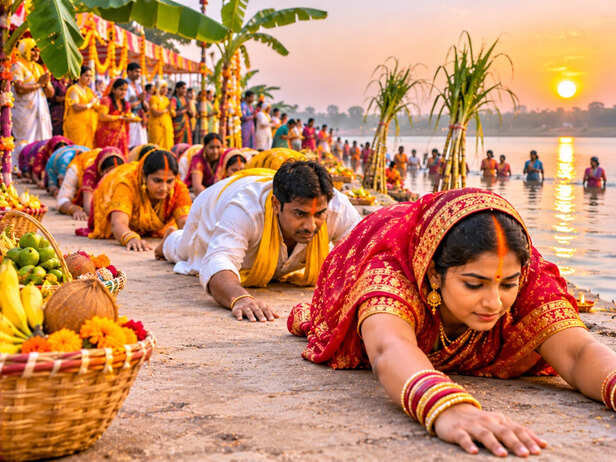
![Sunrise River Ghat Devotional Procession]()
Sunrise River Ghat Devotional Procession
Image credit : CHATGPT(AI)
In many households, Chhath Puja is not simply about one person observing a fast. It involves the participation of the entire family. While the devotee follows the rituals and observes the fast, other members prepare prasad, arrange fruits, clean the surroundings and help carry the offerings. From the youngest child to the oldest family member, everyone finds a role. This shared effort makes Chhath a festival where devotion becomes a family experience.
Four Hands Make the Ritual Complete
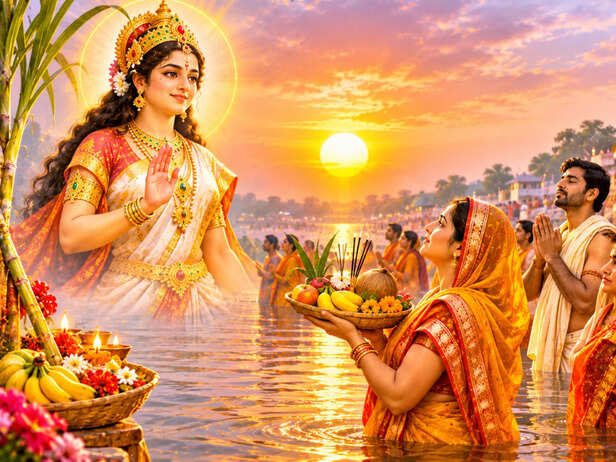
![Chhath Puja at Golden Sunrise]()
Chhath Puja at Golden Sunrise
Image credit : CHATGPT(AI)
There is a beautiful way of describing Chhath in many families: it takes four hands to complete the offering. Two hands hold the soop, while another pair helps with the arrangements and offering of arghya. The ritual involves much more than simply standing near a river or pond with fruits and offerings. It requires preparation, coordination and support. This shared participation gives the festival its strong connection with family and community life.
Grandmothers Begin What Mothers Continue
In many families, Chhath has a story that begins long before the present generation. A grandmother may have observed the fast for years, her daughter may have continued the tradition, and now younger family members may be learning the rituals. Each generation adds its own memories while keeping the central customs alive. A child watching their grandmother prepare the soop or their mother offer arghya gradually learns that traditions are not just performed; they are also passed down through family life.
Every Family Member Has a Role
The preparations for Chhath often begin days before the actual rituals. Someone cleans the house, someone prepares traditional prasad such as thekua, and others arrange fruits, sugarcane, bamboo baskets and other offerings. During the festival, family members accompany the devotee to the ghat and help with the arrangements. Even children participate by carrying small items or watching the rituals. These simple responsibilities make everyone feel connected to the celebration.
The Soop Carries Generations of Memories
The bamboo soop is one of the most recognisable parts of Chhath Puja. It carries fruits, thekua, sugarcane and other offerings presented during the arghya rituals. But for many families, the soop also carries memories of previous generations. The same kind of preparation that a grandmother once taught her daughter is now being learned by grandchildren. Through these familiar objects and rituals, family traditions find a place in everyday memories.
Chhath Connects Families Beyond the Ghat
Chhath also brings together relatives who may live in different cities or states throughout the year. Families make time to return home, prepare offerings together and visit the same ghats where earlier generations once performed the rituals. For many people, the festival becomes an annual reunion. Conversations, shared meals after the rituals and memories of childhood make the celebration deeply personal. The festival creates an opportunity to reconnect with family members and their shared roots.
Every Generation Adds a New Memory
Traditions remain alive when younger generations understand and participate in them. A child who once watched their grandmother prepare the offerings may grow up helping their mother. Years later, they may introduce their own children to the same rituals. This is how Chhath becomes more than an annual celebration. It becomes a chain of memories connecting grandparents, parents and children. The customs may evolve with time, but the feeling of celebrating together can remain unchanged.
The Real Tradition Is Staying Together
Chhath Puja is known for its devotion to the Sun God and its traditional rituals, but its meaning in many families goes beyond the offerings made at the ghat. It is about the grandmother who started the tradition, the mother who continued it, the uncle who helped with preparations and the children who are now learning it. Generations change, responsibilities shift and time moves forward. Yet when an entire family comes together for Chhath, every ritual becomes a memory worth carrying forward.
Because Chhath is not just about offering arghya to the Sun. It is also about keeping the bonds between generations alive.
Unlock insightful tips and inspiration on personal growth, productivity, and well-being. Stay motivated and updated with the latest at
My Life XP.