Why Did Bhima Hesitate to Kill Vikarna in Mahabharata
Noopur Kumari | Aug 29, 2026, 11:00 IST
Vikarna is often remembered simply as one of the Kauravas killed during the Kurukshetra war. But his role in the Mahabharata carries a much deeper lesson. When Draupadi was brought into the royal assembly, Vikarna questioned whether Yudhishthira, having already lost himself in the dice game, still had the right to stake Draupadi. While powerful elders remained silent, Vikarna spoke.
Years later, Bhima faced him in battle. The warrior who had once spoken against his own family was now standing before the man who had vowed to destroy the Kauravas. That moment reveals one of the Mahabharata's most uncomfortable truths: being on the wrong side does not always mean a person is incapable of recognising right and wrong.
Years later, Bhima faced him in battle. The warrior who had once spoken against his own family was now standing before the man who had vowed to destroy the Kauravas. That moment reveals one of the Mahabharata's most uncomfortable truths: being on the wrong side does not always mean a person is incapable of recognising right and wrong.

Mahabharata’s Hidden Hero
Image credit : ChatGPT (ai)
Imagine standing in a royal court where your grandfather, your teacher, your elders and your entire family are present. Everyone sees something wrong happening, yet nobody speaks. Now imagine being the only person from your own side who stands up and says, "This is not right."
That is what makes Vikarna's story so powerful. He was one of Dhritarashtra's sons and therefore a Kaurava. Yet during Draupadi's humiliation in the royal assembly, Vikarna questioned the very act that his own family was supporting. His decision came with a price, because years later he would stand on the battlefield against Bhima. And that is where his story takes an unexpectedly emotional turn.
![Draupadi standing in the Hastinapur royal court]()
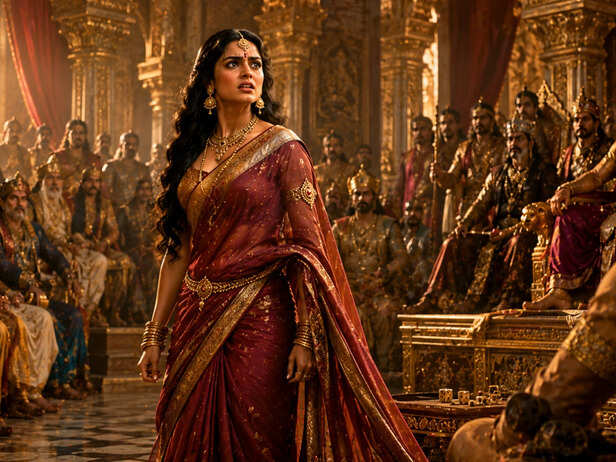
The dice game had already pushed the Pandavas into a terrible situation when Draupadi was brought into the royal assembly. She questioned the legality and morality of what had happened to her. The court contained some of the greatest figures of the Kuru dynasty, yet the response was painfully weak. Bhishma, Drona and other respected elders were present. Powerful warriors were watching. Still, the humiliation continued. In the middle of this silence, Vikarna did something remarkable. He questioned the decision being taken against Draupadi. He did not speak because it was safe. He spoke because he believed something was wrong.
![Vikarna speaking in the Kuru royal assembly]()
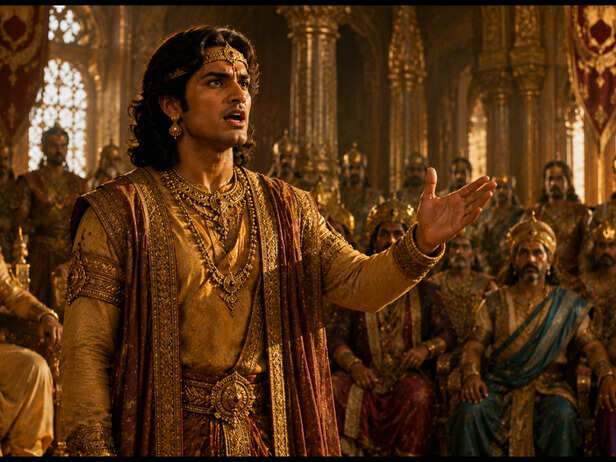
Vikarna's objection was important because he challenged the logic behind Draupadi being treated as a wager. He argued that if Yudhishthira had already lost himself, questions remained about whether he could then stake Draupadi. This was not an easy position for him to take. The people around him were not strangers. They were his elders, teachers and brothers. Yet Vikarna still raised his voice. His courage was not that he stood outside the Kuru family. His courage was that he stood inside it and still questioned what he believed was wrong. That made his words far more significant.
He Chose
The easiest thing for Vikarna would have been to remain silent. His brothers were supporting Duryodhana, the court was dominated by powerful elders and opposing them could have isolated him. Yet he chose to speak. This is what makes his character so relatable even today. Sometimes the hardest truth to speak is not against a stranger but against your own people. Vikarna did not suddenly become a Pandava. He remained a Kaurava. But at that particular moment, he recognised that loyalty to family could not automatically make every family decision righteous. His choice showed that conscience can survive even inside a deeply divided group.
Then Came the
The Mahabharata eventually moved from the royal court to Kurukshetra. The old disagreements became a devastating war, and Vikarna fought for the Kaurava army. This created a painful contradiction. The same man who had questioned the humiliation of Draupadi was now fighting against the Pandavas. On the battlefield, personal relationships were swallowed by duty, allegiance and war. Bhima had also made a terrible vow against the Kauravas after witnessing Draupadi's humiliation. So when he encountered Vikarna, there was no simple answer. Vikarna had once spoken the truth, but he was still fighting on the opposing side.
The battle between Bhima and Vikarna is remembered as an emotionally difficult episode because Vikarna was not portrayed like the worst of Duryodhana's supporters. Bhima recognised his character and the fact that Vikarna had spoken against Draupadi's humiliation. Yet the battlefield had its own harsh rules. Vikarna had entered the war on the Kaurava side, and Bhima was fighting for the Pandavas. Their confrontation therefore became more than a clash between two warriors. It was a meeting between two men connected by a painful history. Vikarna had once stood for what he believed was right. Now both were trapped by the choices and loyalties of war.
Vikarna's story is important precisely because it is complicated. The Mahabharata does not present every character as completely good or completely evil. Vikarna was a Kaurava, fought for the Kaurava army and ultimately became an opponent of the Pandavas. Yet he also had the courage to question Draupadi's treatment when others remained silent. That contradiction makes him memorable. He reminds us that a person's character can contain both weakness and courage. Being part of a flawed group does not mean every thought or action of that person is flawed. Sometimes a person can recognise the truth and still struggle to follow it completely.
Vikarna's greatest lesson is not simply that he spoke for Draupadi. It is that he was willing to question his own side. In real life, we often find it easier to identify someone else's mistake than to challenge our own friends, colleagues or family. But truth becomes meaningful only when we are willing to defend it even when doing so is uncomfortable. Vikarna shows us that courage does not always look like winning an argument or defeating an enemy. Sometimes courage is simply standing up in a room full of silence and saying, "What is happening here is not right." That one choice can define how history remembers us.
Unlock insightful tips and inspiration on personal growth, productivity, and well-being. Stay motivated and updated with the latest at My Life XP.
That is what makes Vikarna's story so powerful. He was one of Dhritarashtra's sons and therefore a Kaurava. Yet during Draupadi's humiliation in the royal assembly, Vikarna questioned the very act that his own family was supporting. His decision came with a price, because years later he would stand on the battlefield against Bhima. And that is where his story takes an unexpectedly emotional turn.
The Day the Court Went Silent
Draupadi standing in the Hastinapur royal court
Image credit : ChatGPT (ai)
The dice game had already pushed the Pandavas into a terrible situation when Draupadi was brought into the royal assembly. She questioned the legality and morality of what had happened to her. The court contained some of the greatest figures of the Kuru dynasty, yet the response was painfully weak. Bhishma, Drona and other respected elders were present. Powerful warriors were watching. Still, the humiliation continued. In the middle of this silence, Vikarna did something remarkable. He questioned the decision being taken against Draupadi. He did not speak because it was safe. He spoke because he believed something was wrong.
Vikarna Asked the Question
Vikarna speaking in the Kuru royal assembly
Image credit : ChatGPT (ai)
Vikarna's objection was important because he challenged the logic behind Draupadi being treated as a wager. He argued that if Yudhishthira had already lost himself, questions remained about whether he could then stake Draupadi. This was not an easy position for him to take. The people around him were not strangers. They were his elders, teachers and brothers. Yet Vikarna still raised his voice. His courage was not that he stood outside the Kuru family. His courage was that he stood inside it and still questioned what he believed was wrong. That made his words far more significant.
He Chose Dharma Over Family
Then Came the Kurukshetra War
Bhima Faced a Difficult Choice
The Forgotten Kaurava Was Different
The Lesson Vikarna Leaves Behind
Unlock insightful tips and inspiration on personal growth, productivity, and well-being. Stay motivated and updated with the latest at My Life XP.