How can the same Hindu calendar have two New Year celebrations in a single year? In North India, the New Year begins in Chaitra, while Gujarat celebrates it the day after Diwali, in Kartik. Both follow the Vikram Samvat calendar, so why do their dates differ? The answer lies in two traditional ways of counting the year, and the difference also explains the special place of Chopda Pujan in Gujarati business communities.
One Samvat, Two New Year Dates
![Two Hindu New Year Celebrations]()
Two Hindu New Year Celebrations
Image credit : Freepik
The interesting part is that neither celebration is wrong. Both follow the Vikram Samvat era, but they use different starting points to count the year. In the Chaitradi tradition, the year begins in Chaitra, while the Kartikadi tradition starts in Kartik. This is why people in different parts of India can welcome a new Vikram Samvat at different times. The calendar is connected, but the regional customs are different.
Why North India Begins in Chaitra
![Chaitra Shukla Pratipada Celebration]()
Chaitra Shukla Pratipada Celebration
Image credit : Freepik
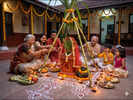
In much of North India, the Hindu New Year begins on Chaitra Shukla Pratipada, the first day of the bright lunar fortnight in Chaitra. This day is known as Chaitradi, meaning the year begins with Chaitra. It usually falls in March or April. The date is also linked with the arrival of spring, making it a time associated with fresh beginnings, new plans and religious celebrations.
The Creation Story Behind Chaitra New Year
There is a religious explanation behind choosing this date. According to the Narada Purana, Lord Brahma created the universe at sunrise on Chaitra Shukla Pratipada. This belief gives the day a special place in Hindu tradition and connects it with the beginning of creation itself. For many devotees, welcoming the New Year on this date is therefore more than a calendar custom. It is also a way to honour the beginning of life and the universe.
Why Gujarat Welcomes New Year After Diwali
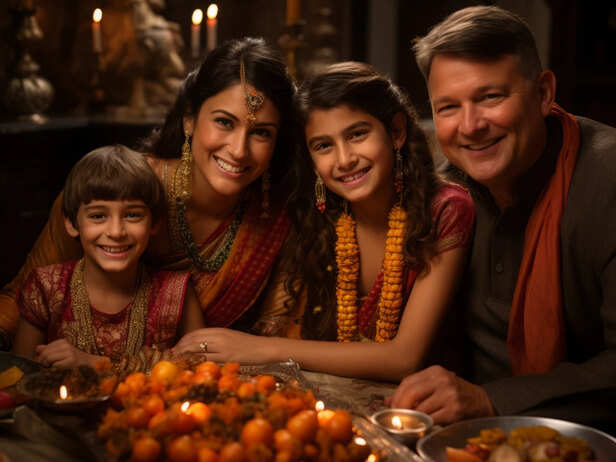
Gujarat follows the Kartikadi tradition, in which the New Year begins on Kartik Shukla Pratipada, the first day of the bright fortnight of Kartik. This day is popularly known as Bestu Varas or Gujarati New Year. It usually comes just after Diwali. Families visit temples, meet relatives and exchange greetings such as “Saal Mubarak” and “Nutan Varshabhinandan”. For them, the day marks the start of a fresh year filled with hopes and new beginnings.
The Calendar Difference Behind the Two Dates
The difference becomes clearer when we look at how the months are counted. The Gujarati calendar follows the Amanta system, in which a lunar month ends on Amavasya, or the new moon. The Chaitradi tradition begins its year with Chaitra Shukla Pratipada. Since the two traditions start the year in different months, their Vikram Samvat numbers can differ for part of the year. They are not two separate eras, but two regional ways of marking the year.
Why Traders Perform Chopda Pujan
The New Year tradition also has a special connection with business communities. During Diwali, many Gujarati traders perform Chopda Pujan, a ritual in which they worship their account books. New ledgers are prepared, and auspicious words such as “Shubh” and “Labh” are written on them. The ritual is a prayer for honest work, financial stability and prosperity. The new books are then used for the coming business year, making the festival a fresh beginning for traders too.
So, When Does the Hindu New Year Begin?
The answer depends on the regional calendar tradition a community follows. For people observing the Chaitradi Vikram Samvat, the year begins in Chaitra. For those following the Kartikadi tradition in Gujarat, it begins in Kartik after Diwali. For example, in 2026, the Chaitradi calendar entered Vikram Samvat 2083 in spring, while Gujarat welcomed Samvat 2083 on November 10. One era, two starting dates, and two meaningful ways to welcome a new year.
Unlock insightful tips and inspiration on personal growth, productivity, and well-being. Stay motivated and updated with the latest at My Life XP.