Why Does Ganesha Get Exactly 21 Durva Grass Blades?
Noopur Kumari | Sept 17, 2026, 16:00 IST
There is a reason devotees offer 21 Durva blades to Lord Ganesha instead of simply choosing any number. A popular traditional story links this ritual to Analasura, a powerful demon whose fiery nature caused intense discomfort to Ganesha. When other remedies failed, Durva became the answer. Discover the story behind this sacred offering and the traditional way it is placed during Ganesh Puja.

Ganesh Puja, devotees often offer <strong>21 blades of Durva grass</strong>,
Image credit : ChatGPT (AI)
Why does a simple green grass hold such a special place in Lord Ganesha's worship? During Ganesh Puja, devotees often offer 21 blades of Durva grass, but the reason behind this number is rarely explained. According to a popular Puranic tradition, the custom is connected to a fierce demon named Analasura and a burning sensation that troubled Ganesha after defeating him. What happened next turned an ordinary blade of grass into one of Ganesha's most beloved offerings. The story also carries a traditional instruction about how Durva should be offered during worship.
![Morya Gosavi is known to be a devout follower of Lord Ganesha and has lived]()
According to a popular Puranic story, Analasura was a terrifying demon whose name is associated with intense fire. He was said to trouble sages, gods and ordinary people, spreading fear across the worlds. Unable to overcome him, the gods and sages approached Lord Shiva for help. Shiva told them that Ganesha would be able to defeat the demon. Hearing their prayers, Ganesha agreed to confront Analasura. A fierce battle followed between the two. After a long struggle, Ganesha finally defeated the demon. But the victory came with an unexpected problem that would give Durva grass a permanent place in Ganesha worship.
![Ganesh Chaturthi 2026]()
The story takes a dramatic turn after Ganesha defeats Analasura. According to the tradition, Ganesha swallowed the demon, whose fiery nature then caused tremendous heat and discomfort in his stomach. The gods and sages became concerned and tried different ways to calm him. Yet the burning sensation did not go away. The unusual situation continued until a solution was finally found. This part of the story is what connects the demon's fiery nature with the simple green Durva grass. What began as a battle between Ganesha and a powerful demon eventually became the reason behind one of the most familiar offerings made to Ganesha.
According to the popular legend, the problem was finally solved when 21 blades of Durva grass were gathered together and offered to Ganesha. The grass is said to have immediately helped calm the intense heat he was experiencing. This moment became significant in the traditional story of Ganesha worship. Durva is a hardy green grass that grows easily, yet the legend gives it a special spiritual meaning. The story is not presented as a medical explanation, but as a sacred tradition passed through generations. Because Durva is associated with bringing relief to Ganesha in this legend, devotees continue to consider it one of his most cherished offerings.
The number 21 is central to this tradition. In the story, 21 Durva blades were gathered and offered together, creating the custom followed by many devotees today. Different Hindu traditions may explain the significance of 21 in different ways, but in this particular legend, the number is directly connected with the offering that relieved Ganesha's discomfort. The important point is that the practice comes from a devotional tradition rather than a universally fixed rule followed in every Ganesha temple or household. Ritual practices can vary by region and sampradaya, but 21 Durva remains one of the most widely recognised offerings associated with Lord Ganesha.
Devotees traditionally prepare the Durva before beginning the puja and offer it to Ganesha with devotion. According to the tradition shared in this story, the Durva should be offered on Ganesha's head or crown area rather than at his feet. The grass is commonly gathered in a small bunch and placed carefully during the offering. As with many Hindu rituals, exact practices can differ between families, temples and regional traditions. Therefore, devotees may follow the method taught by their family priest or local tradition. The central idea remains simple: offer Durva respectfully while remembering Ganesha and seeking his blessings.
For devotees, the Durva offering is more than simply following an old ritual. It keeps alive a story that has been passed down through generations and connects everyday worship with Ganesha's mythology. Durva is simple, easily available and naturally resilient, which also makes it a meaningful offering in a devotional setting. The tradition reminds devotees that something seemingly ordinary can hold deep significance when offered with faith. During Ganesh Chaturthi and other Ganesha pujas, families often prepare Durva along with flowers, sweets and other traditional offerings. For many worshippers, this small ritual is an important part of welcoming Ganesha into their homes.
The story of Analasura explains why 21 Durva blades became so closely associated with Ganesha in popular tradition. A terrifying demon, a fierce battle, an unexpected problem and a simple offering come together in one memorable tale. Whether experienced as mythology, devotion or cultural tradition, the story gives deeper meaning to a ritual that may otherwise seem very ordinary. The next time you see devotees placing Durva before Ganesha, remember the story behind those tiny green blades. For generations, they have represented a humble offering connected with relief, devotion and the enduring presence of Ganesha in Hindu worship.
Unlock insightful tips and inspiration on personal growth, productivity, and well-being. Stay motivated and updated with the latest at My Life XP
The Demon Who Terrified Everyone
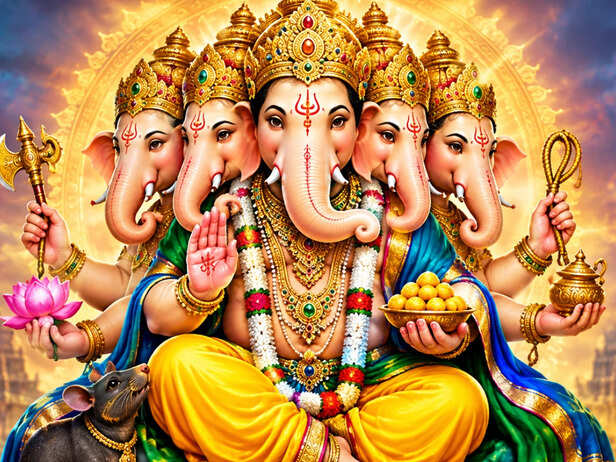
Morya Gosavi is known to be a devout follower of Lord Ganesha and has lived
Image credit : ChatGPT(AI)
According to a popular Puranic story, Analasura was a terrifying demon whose name is associated with intense fire. He was said to trouble sages, gods and ordinary people, spreading fear across the worlds. Unable to overcome him, the gods and sages approached Lord Shiva for help. Shiva told them that Ganesha would be able to defeat the demon. Hearing their prayers, Ganesha agreed to confront Analasura. A fierce battle followed between the two. After a long struggle, Ganesha finally defeated the demon. But the victory came with an unexpected problem that would give Durva grass a permanent place in Ganesha worship.
Ganesha Felt a Burning Pain
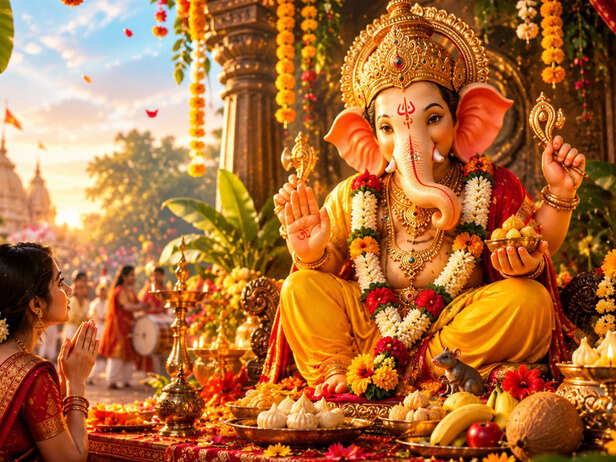
Ganesh Chaturthi 2026
Image credit : CHATGPT(AI)
The story takes a dramatic turn after Ganesha defeats Analasura. According to the tradition, Ganesha swallowed the demon, whose fiery nature then caused tremendous heat and discomfort in his stomach. The gods and sages became concerned and tried different ways to calm him. Yet the burning sensation did not go away. The unusual situation continued until a solution was finally found. This part of the story is what connects the demon's fiery nature with the simple green Durva grass. What began as a battle between Ganesha and a powerful demon eventually became the reason behind one of the most familiar offerings made to Ganesha.
The Simple Offering That Worked
Why the Number 21 Matters
How Durva Is Traditionally Offered
Why Devotees Still Follow It
The Story Behind the Sacred Grass
Unlock insightful tips and inspiration on personal growth, productivity, and well-being. Stay motivated and updated with the latest at My Life XP