Why Does Hanuman Have 5 Faces? The Secret Meaning
Noopur Kumari | Sept 14, 2026, 07:00 IST
The five faces of Panchmukhi Hanuman are not simply a striking religious image. Each face represents a different divine quality and a different kind of strength. From Hanuman’s devotion to Narasimha’s courage, Garuda’s alertness, Varaha’s strength and Hayagriva’s wisdom, the form carries five lessons that can still make sense in everyday life.

The Hidden Truth About Hanuman’s Five Faces
Image credit : ChatGPT(ai)
Why does Hanuman appear with five faces instead of one? At first glance, Panchmukhi Hanuman may look like a powerful divine form created for protection. But each face carries a deeper idea. The five forms represent different qualities such as devotion, courage, alertness, strength, wisdom and protection. Together, they offer a practical lesson: true strength is not just about physical power. It comes from knowing when to serve, when to fight, when to think and when to stand firmly for what is right.
![Jamvant Praises Hanuman]()
The five faces of Panchmukhi Hanuman are traditionally associated with Hanuman, Narasimha, Garuda, Varaha and Hayagriva. They are not meant to suggest that Hanuman simply has five different identities. Instead, the combined form brings together different divine qualities. Hanuman represents devotion and selfless service, Narasimha stands for courage and protection, Garuda represents alertness and swift action, Varaha symbolises strength and the restoration of dharma, while Hayagriva is linked with knowledge and wisdom. Together, they create a powerful picture of balanced strength rather than physical power alone.
![Hanuman Ji Resting After the Lanka Battle]()
Hanuman’s own face represents bhakti, humility and service. His devotion to Lord Rama was not limited to prayers or words. He repeatedly used his strength, intelligence and courage to serve Rama’s purpose. This offers a simple lesson for everyday life. Faith becomes meaningful when it influences our actions. Helping someone without expecting praise, completing a responsibility honestly or standing beside someone during a difficult moment can all reflect the same spirit of service. Hanuman’s example reminds us that devotion is not about proving how powerful we are. It is about using what we have for something greater than ourselves.
The Narasimha face brings the quality of fearless protection into Panchmukhi Hanuman’s form. Narasimha is known for appearing to protect Prahlada when evil threatened him. The lesson is not to become aggressive at every challenge. It is about having the courage to act when protection is genuinely needed. There are moments when staying silent is easier, but doing the right thing requires courage. Whether it means defending someone who is being treated unfairly or standing firm during a difficult situation, Narasimha’s symbolism reminds us that strength should serve protection, not ego.
The Garuda face is associated with speed, alertness and decisive movement. Life often gives us situations where waiting too long can make a problem harder to solve. Garuda’s symbolism encourages awareness before action and quick thinking when action is necessary. This does not mean making careless decisions. It means staying mentally prepared and recognising an opportunity or danger before it passes. For a student, employee or parent, the lesson is practical: observe what is happening, understand the situation and then respond without unnecessary delay. Sometimes the right decision is valuable only because it is made at the right time.
The Varaha face represents strength connected with protection and the restoration of dharma. In Hindu tradition, Varaha rescued the Earth after it was submerged by the demon Hiranyaksha. The symbolism goes beyond physical power. It suggests using strength to protect what has value and restore what has been disturbed. This can apply to ordinary life too. Strength can mean protecting your principles, supporting your family, rebuilding after failure or refusing to give up when circumstances become difficult. The deeper message is simple: real strength becomes meaningful when it is used for a purpose.
The fifth face is traditionally associated with Hayagriva, a divine form linked with knowledge and wisdom. This part of Panchmukhi Hanuman’s symbolism adds something important to the idea of strength. Courage without understanding can lead to mistakes, while knowledge without action may remain unused. Hayagriva represents the value of learning, clear thinking and wisdom. In everyday life, this means pausing to understand a situation before reacting. A person may have confidence, energy and courage, but wise decisions require knowledge as well. Panchmukhi Hanuman therefore presents strength and wisdom as qualities that work best together.
Panchmukhi Hanuman can be understood as a reminder to develop five qualities together: devotion from Hanuman, courage from Narasimha, alertness from Garuda, strength from Varaha and wisdom from Hayagriva. These qualities are useful far beyond religious practice. When life becomes difficult, devotion can give direction, courage can help us face fear, awareness can improve decisions, strength can help us stand firm and wisdom can prevent unnecessary mistakes. That is what makes the five-faced form so meaningful. It does not simply show five faces. It presents five ways of becoming stronger from within.
Unlock insightful tips and inspiration on personal growth, productivity, and well-being. Stay motivated and updated with the latest at My Life XP.
The Five Faces Have A Deeper Meaning
Jamvant Praises Hanuman
Image credit : chatgpt(ai)
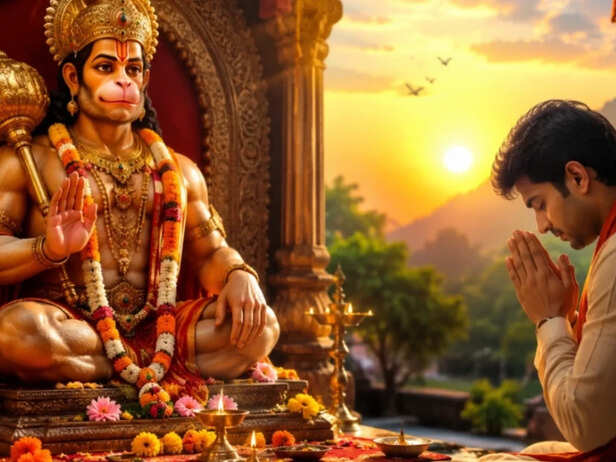
The five faces of Panchmukhi Hanuman are traditionally associated with Hanuman, Narasimha, Garuda, Varaha and Hayagriva. They are not meant to suggest that Hanuman simply has five different identities. Instead, the combined form brings together different divine qualities. Hanuman represents devotion and selfless service, Narasimha stands for courage and protection, Garuda represents alertness and swift action, Varaha symbolises strength and the restoration of dharma, while Hayagriva is linked with knowledge and wisdom. Together, they create a powerful picture of balanced strength rather than physical power alone.
Hanuman Teaches Devotion Through Action
Hanuman Ji Resting After the Lanka Battle
Image credit : chatgpt(ai)
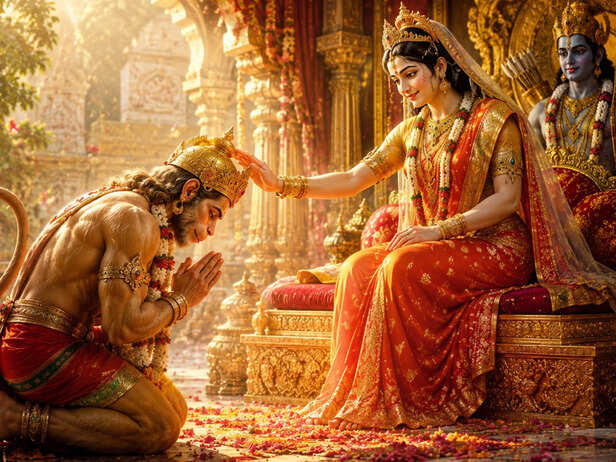
Hanuman’s own face represents bhakti, humility and service. His devotion to Lord Rama was not limited to prayers or words. He repeatedly used his strength, intelligence and courage to serve Rama’s purpose. This offers a simple lesson for everyday life. Faith becomes meaningful when it influences our actions. Helping someone without expecting praise, completing a responsibility honestly or standing beside someone during a difficult moment can all reflect the same spirit of service. Hanuman’s example reminds us that devotion is not about proving how powerful we are. It is about using what we have for something greater than ourselves.
Narasimha Represents Fearless Protection
Garuda Teaches Quick Thinking
Varaha Stands For Strength And Dharma
Hayagriva Connects Strength With Wisdom
Five Faces, One Powerful Life Lesson
Unlock insightful tips and inspiration on personal growth, productivity, and well-being. Stay motivated and updated with the latest at My Life XP.