A stroke can change everyday life in a matter of minutes. Walking, speaking, reaching for a cup or even maintaining balance may suddenly become difficult. But recovery does not necessarily stop when emergency treatment ends. This is where physiotherapy can become an important part of rehabilitation. Through carefully planned movement, balance training and functional exercises, physiotherapists help patients work toward greater independence. The surprising part is that rehabilitation is not simply about making weak muscles stronger. It can also help the brain and body relearn how to work together. Understanding this role can change how families approach the long road to recovery.
Relearning Everyday Movement
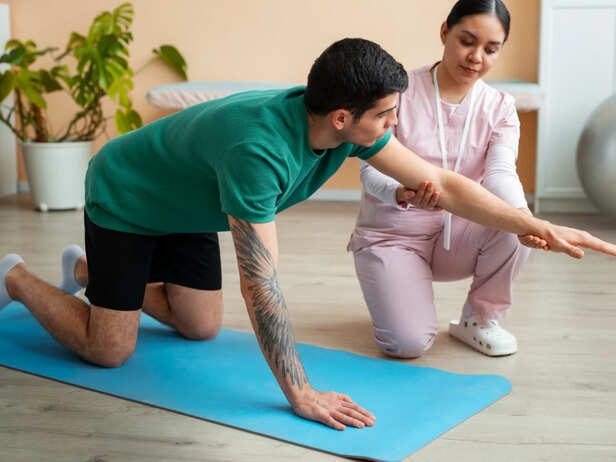
![Stroke Patient Practising Guided Movement]()
Stroke Patient Practising Guided Movement
Image credit : Freepik
After a stroke, movements that once felt automatic may become difficult. Physiotherapy focuses on helping patients practise useful movements repeatedly and safely. Sessions may include standing, walking, reaching, transferring from a bed to a chair and improving coordination. The goal is not simply exercise for its own sake. It is to make everyday activities easier and safer. A physiotherapist assesses the person's abilities and creates exercises according to their needs. Progress can be gradual, but repeated practice can help patients regain confidence while working toward greater independence in daily routines.
Building Strength and Balance
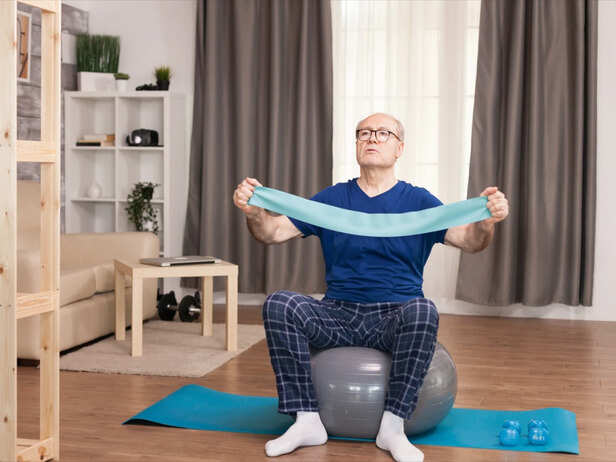
![Balance Training During Stroke Recovery]()
Balance Training During Stroke Recovery
Image credit : Freepik
Weakness and balance problems can increase the risk of falls after a stroke. Physiotherapy may include strengthening exercises, sitting and standing practice, weight-shifting activities and balance training. These exercises are usually adjusted as the patient's abilities change. Even simple movements can have an important purpose when they are connected to real-life activities. For example, practising controlled standing may eventually make it easier to get out of a chair. The key is consistency and appropriate supervision. Patients should not copy exercises from another person's rehabilitation plan because stroke-related difficulties can vary significantly from one individual to another.
Supporting Cardiovascular Recovery
Physiotherapy also has a role beyond stroke recovery. People recovering from certain cardiovascular conditions may benefit from structured physical activity as part of a broader cardiac rehabilitation programme. Depending on the person's medical condition, rehabilitation may include gradual aerobic activity, mobility exercises, strength training and education about safe movement. The aim is to help patients become more physically active without pushing beyond medically appropriate limits. Cardiovascular rehabilitation is generally coordinated with the wider healthcare team. Anyone with heart disease should receive individual medical guidance before starting or increasing exercise, particularly after a major cardiac event or procedure.
Improving Confidence After a Stroke
Physical limitations are only part of the challenge after a stroke. A person who struggles to walk or maintain balance may become afraid of falling and gradually avoid movement. That can make returning to normal activities even harder. Physiotherapy can provide structured opportunities to practise movement in a controlled environment. A therapist may gradually increase the difficulty as the patient becomes more capable. Small achievements, such as standing independently or taking additional steps, can become meaningful milestones. Recovery is rarely perfectly linear, but regular rehabilitation can help patients focus on achievable progress instead of feeling overwhelmed by the entire journey.
Preventing Problems From Inactivity
Long periods of inactivity can create additional physical challenges. Depending on a person's condition, reduced movement may contribute to stiffness, weakness, poor mobility and difficulty performing everyday tasks. Physiotherapy aims to keep the body moving safely while addressing specific limitations. Therapists may use mobility exercises, stretching, strengthening and functional practice based on individual needs. This does not mean every patient should exercise more without professional guidance. The amount and type of activity must match the person's health and recovery stage. The bigger lesson is simple: safe, appropriate movement can be an important part of rehabilitation.
Turning Small Wins Into Progress
Imagine someone who could not stand safely after a stroke. At first, their goal might simply be to sit upright with better control. Later, they may practise standing, transferring and taking a few supported steps. These small improvements can appear insignificant from the outside, but they may represent meaningful functional progress for the patient. Physiotherapy works by breaking difficult tasks into manageable steps and practising them repeatedly. Every person responds differently, so there is no universal recovery timeline. What matters is creating realistic goals and regularly reassessing them with the rehabilitation team.
Making Recovery More Independent
The ultimate purpose of physiotherapy is not simply to complete exercises in a clinic. It is to help people function more safely in their everyday lives. Depending on the patient's needs, rehabilitation may focus on walking, transfers, balance, strength or using mobility aids correctly. Physiotherapists can also teach patients and caregivers how to support movement safely at home. Recovery can take patience, repetition and professional guidance. The most important message is that rehabilitation should be personalised. With appropriate care and realistic goals, physiotherapy can become an important part of helping a person move toward greater independence after stroke or cardiovascular illness.
Experiencing frequent stress, fatigue, or health challenges? Your name energy may be worth exploring. Check it here.Unlock insightful tips and inspiration on personal growth, productivity, and well-being. Stay motivated and updated with the latest at My Life XP