Why Does Lord Kartikeya Have 6 Powerful Names?
Noopur Kumari | Aug 12, 2026, 12:00 IST
The six names of Lord Kartikeya tell a deeper story about his divine personality. Murugan reflects beauty and youth, Skanda represents courage and action, while Subramanya is connected with spiritual knowledge. Sanmukha refers to his six-faced form, Kumara represents eternal youth, and Gangeya recalls his sacred connection with the Ganga. Together, these names show different qualities associated with Lord Kartikeya and explain why he is loved and worshipped in different parts of India.

Lord Murugan in His Youthful Divine Form
Image credit : ChatGPT(AI)
Lord Kartikeya is known by many names, but each name carries a different meaning. Some describe his youthful energy, while others highlight his courage, wisdom, divine beauty and connection with sacred traditions. This is what makes his names more than simple titles.
In Hindu tradition, Lord Kartikeya is the son of Lord Shiva and Goddess Parvati and is worshipped as a powerful warrior deity. His different names appear across regional traditions and sacred stories. But why does one deity have so many names? The answer becomes interesting when we look at what each name represents.
![Lord Murugan in His Youthful Divine Form]()
The name Murugan is especially popular in South India. It is associated with beauty, youth, brilliance and wisdom. Lord Murugan is often shown as a youthful and radiant deity, carrying the powerful Vel, or divine spear. His youthful appearance does not simply represent age. It can also remind devotees of fresh energy, courage and a sharp mind. For many devotees, Murugan represents the idea that true beauty comes with wisdom and purity. This is one reason the name remains deeply loved in Tamil spiritual traditions.
![Lord Skanda as the Divine Warrior]()
The name Skanda is connected with Lord Kartikeya's role as a powerful warrior and divine commander. The name is often linked with movement, energy and the ability to move forward. In Hindu mythology, Kartikeya leads the divine forces and fights powerful enemies. His warrior form gives this name a strong meaning. Skanda reminds devotees that courage is not only about fighting. It is also about taking action when life becomes difficult. His story teaches that fear can be faced when determination becomes stronger than hesitation.
Subramanya is another important name of Lord Kartikeya. It is associated with auspiciousness, purity and spiritual knowledge. In many traditions, he is respected not only as a warrior but also as a divine teacher. This creates an interesting contrast. The same deity who carries a weapon is also connected with wisdom. The message is simple: strength without knowledge can become directionless. Through the name Subramanya, devotees remember the importance of learning, understanding and removing ignorance. His divine role therefore goes beyond victory in battle and enters the world of spiritual wisdom.
One of the most fascinating names is Sanmukha, meaning the six-faced one. Lord Kartikeya is traditionally depicted with six faces, which makes this form instantly recognizable. These six faces are given different spiritual interpretations in various traditions. They can represent different divine qualities and powers. Some traditions also connect the six faces with awareness and control over the senses. This makes Sanmukha more than a description of his appearance. It points toward a deeper idea of seeing the world from different perspectives while keeping the mind focused and disciplined.
The name Kumara means youth or a young prince and is closely associated with Lord Kartikeya's youthful form. But this name can be understood in a deeper way. Youth represents energy, enthusiasm, freshness and the courage to begin something new. Kartikeya's youthful image therefore carries a message that spiritual strength does not have to look old or distant. It can be energetic and active. The name Kumara reminds devotees to protect their inner enthusiasm, remain curious and approach challenges with confidence and a fresh mind.
The name Gangeya connects Lord Kartikeya with the sacred River Ganga. His birth story has different versions across Hindu traditions, and Ganga plays an important role in several accounts. The name therefore reflects a divine connection with purity and sacred origin. Ganga is revered as a sacred river in Hinduism, and her association adds another layer to Kartikeya's identity. Gangeya reminds devotees that Kartikeya's story is connected not only with warfare and courage but also with purity, divine energy and ancient spiritual traditions.
At first, six names may simply look like different ways of addressing Lord Kartikeya. But each name highlights a different quality. Murugan points toward beauty and wisdom. Skanda reflects courage and action. Subramanya represents knowledge. Sanmukha highlights his six-faced form. Kumara celebrates youthful energy, while Gangeya recalls his sacred connection with Ganga.
Together, these names create a fuller picture of Lord Kartikeya. He is not remembered only as a warrior. He is also seen as youthful, wise, disciplined, powerful and spiritually connected.
The beauty of these names is that each one carries a simple life lesson. When you feel afraid, the idea of Skanda can remind you to act with courage. When you feel lost, Subramanya can remind you to seek knowledge. When life feels dull, Kumara can inspire fresh energy. When emotions become confusing, Sanmukha can remind you to look at a situation from more than one side.
Perhaps that is the hidden power behind Lord Kartikeya's many names. Each name allows devotees to connect with a different quality of the same divine figure.
Unlock insightful tips and inspiration on personal growth, productivity, and well-being. Stay motivated and updated with the latest at My Life XP.
In Hindu tradition, Lord Kartikeya is the son of Lord Shiva and Goddess Parvati and is worshipped as a powerful warrior deity. His different names appear across regional traditions and sacred stories. But why does one deity have so many names? The answer becomes interesting when we look at what each name represents.
Murugan : The Name of Divine Beauty
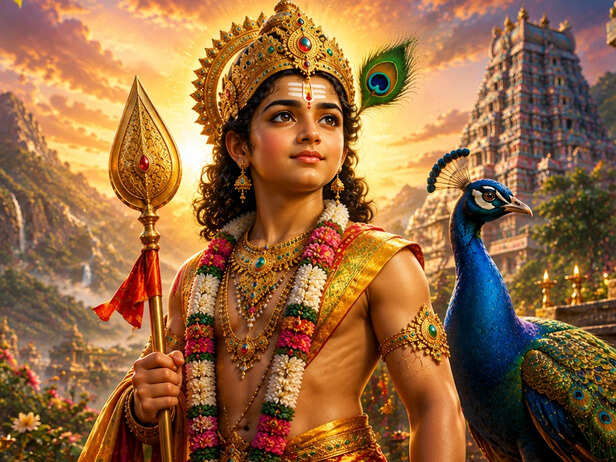
Lord Murugan in His Youthful Divine Form
Image credit : ChatGPT(AI)
The name Murugan is especially popular in South India. It is associated with beauty, youth, brilliance and wisdom. Lord Murugan is often shown as a youthful and radiant deity, carrying the powerful Vel, or divine spear. His youthful appearance does not simply represent age. It can also remind devotees of fresh energy, courage and a sharp mind. For many devotees, Murugan represents the idea that true beauty comes with wisdom and purity. This is one reason the name remains deeply loved in Tamil spiritual traditions.
Skanda : The Warrior Who Moved Forward
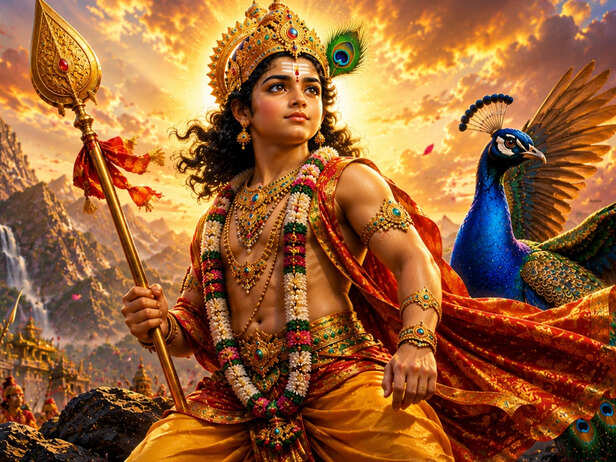
Lord Skanda as the Divine Warrior
Image credit : ChatGPT(AI)
The name Skanda is connected with Lord Kartikeya's role as a powerful warrior and divine commander. The name is often linked with movement, energy and the ability to move forward. In Hindu mythology, Kartikeya leads the divine forces and fights powerful enemies. His warrior form gives this name a strong meaning. Skanda reminds devotees that courage is not only about fighting. It is also about taking action when life becomes difficult. His story teaches that fear can be faced when determination becomes stronger than hesitation.
Subramanya: The Guide of Wisdom
Sanmukha: Why Does He Have Six Faces?
Kumara : The Eternal Youth
Gangeya: His Sacred Connection With Ganga
The Deeper Meaning Behind Six Names
Together, these names create a fuller picture of Lord Kartikeya. He is not remembered only as a warrior. He is also seen as youthful, wise, disciplined, powerful and spiritually connected.
Why These Names Still Matter Today
Perhaps that is the hidden power behind Lord Kartikeya's many names. Each name allows devotees to connect with a different quality of the same divine figure.
Unlock insightful tips and inspiration on personal growth, productivity, and well-being. Stay motivated and updated with the latest at My Life XP.