Why Does This Ganpati Hold a Jamun Instead of a Laddu?
Noopur Kumari | Sept 07, 2026, 12:00 IST
Rinmochan Ganpati is a devotional form of Lord Ganesha associated with freedom from debts and burdens. Unlike the familiar image holding a sweet, this form is linked with a jamun, along with the noose, goad and staff. Its unusual appearance carries deeper symbolism, raising curiosity about why devotees connect this form with liberation from different kinds of debt.

This Ganpati Hold a Jamun Instead of a Laddu
Image credit : ChatGPT(ai)
Have you ever seen a form of Lord Ganesha holding ajamun instead of the familiar modak or laddu? This rare and intriguing form is associated in some devotional traditions withRinmochan Ganpati, a form whose name itself refers to freedom fromrina, or debt. But the idea of debt in Hindu thought can mean much more than money borrowed from a bank. Traditional beliefs speak of different kinds of obligations that can weigh upon a person. The unusual crystal-white appearance and four sacred objects associated with this form make Rinmochan Ganpati especially fascinating.
![Rinmochan Ganpati in Devotional Tradition]()
Among the many forms of Lord Ganesha described in Hindu devotional traditions, Rinmochan Ganpati stands out because of his distinctive symbolism. The name combines rina, meaning debt or obligation, with mochan, meaning liberation or release. Devotees therefore associate this form with overcoming burdens that create anxiety or obstacles in life. The concept can be understood spiritually as well as materially. Financial difficulties may be one concern, but traditional Hindu thought also speaks about responsibilities and obligations toward family, ancestors, teachers and society. This broader meaning gives the form a deeper place in devotional practice.
![Jamun in Rinmochan Ganpati’s Hand]()
The jamun is perhaps the first thing that makes this form immediately different. Instead of the sweet commonly associated with Ganesha, devotional descriptions of Rinmochan Ganpati feature a jamun among his sacred attributes. This detail has inspired symbolic interpretations connecting the fruit with the ancient Indian cultural landscape and the idea of Jambu. It is important, however, not to turn symbolism into historical fact without evidence. The deeper takeaway is that Ganesha’s forms often use different objects to express different spiritual ideas. Here, the unusual fruit becomes part of the visual identity of a form associated with release from burdens.
Traditional descriptions associate Rinmochan Ganpati with four objects: the pasha, ankusha, danda and jamun. In Hindu iconography, the pasha, or noose, can represent attachment and the forces that bind a person. The ankusha, or goad, is often connected with guidance and control. The staff can suggest discipline or authority, while the fruit adds another layer of symbolism. Together, these objects can be read as a reminder that overcoming burdens requires awareness, direction and discipline. Rather than viewing the form only as a deity who removes problems instantly, devotees can also reflect on what creates those problems in the first place.
When people hear the word debt, they usually think about loans, credit cards or borrowed money. But the traditional concept of rina can have a wider meaning. Hindu philosophical and cultural traditions discuss obligations connected with ancestors, teachers, deities and society, although the exact classifications differ across texts and traditions. This makes the idea of Rinmochan Ganpati especially interesting. The form can be understood as a spiritual reminder to recognise the burdens we carry. Whether the burden is financial, emotional or connected with an unfinished responsibility, the first step toward freedom is often acknowledging it honestly.
Another striking feature associated with this form is its unusual crystal-white appearance. Ganesha is commonly seen in many different colours and artistic styles, depending on regional traditions, temples and devotional practices. The white appearance of Rinmochan Ganpati creates a very different visual impression from the familiar sindoor-covered form often seen during worship. In spiritual symbolism, white is frequently associated with purity, clarity and peace. While interpretations can vary, this appearance fits naturally with the broader idea of seeking freedom from burdens and finding greater clarity. It gives devotees another visual reminder of the calm they seek beyond worldly difficulties.
Devotional traditions associated with Rinmochan Ganpati include prayers and stotra recitation dedicated to this form. Some popular claims suggest that sincere recitation over a fixed period can completely remove even major financial debts. Such claims should be understood as matters of faith rather than guaranteed financial outcomes. Prayer can provide emotional strength, focus and a sense of hope, but practical financial action remains essential when dealing with real debt. A meaningful practice can therefore combine devotion with responsibility: pray with faith, review your finances, avoid unnecessary borrowing, create a repayment plan and seek appropriate professional guidance when needed.
Perhaps the most powerful message behind Rinmochan Ganpati is not simply the promise of becoming debt-free. It is the idea of becoming free from whatever constantly weighs on the mind. Financial obligations, unresolved responsibilities, fear and guilt can all become heavy burdens. The devotional symbolism encourages people to face these burdens rather than run from them. During Ganesh Chaturthi or personal prayer, devotees can use this form as a reminder to seek wisdom before making decisions, discipline before taking new obligations and courage before confronting old ones. In that sense, debt relief becomes both an outer goal and an inner journey.
Unlock insightful tips and inspiration on personal growth, productivity, and well-being. Stay motivated and updated with the latest at My Life XP.
The Rare Form of Ganesha
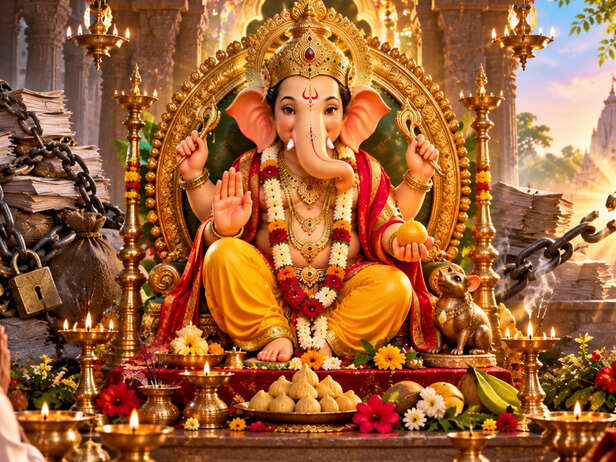
Rinmochan Ganpati in Devotional Tradition
Image credit : chatgpt(ai)
Among the many forms of Lord Ganesha described in Hindu devotional traditions, Rinmochan Ganpati stands out because of his distinctive symbolism. The name combines rina, meaning debt or obligation, with mochan, meaning liberation or release. Devotees therefore associate this form with overcoming burdens that create anxiety or obstacles in life. The concept can be understood spiritually as well as materially. Financial difficulties may be one concern, but traditional Hindu thought also speaks about responsibilities and obligations toward family, ancestors, teachers and society. This broader meaning gives the form a deeper place in devotional practice.
Why Does He Hold a Jamun?
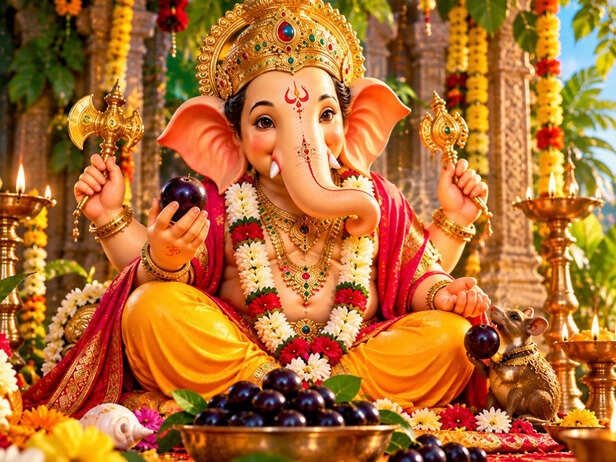
Jamun in Rinmochan Ganpati’s Hand
Image credit : ChatGPT (ai)
The jamun is perhaps the first thing that makes this form immediately different. Instead of the sweet commonly associated with Ganesha, devotional descriptions of Rinmochan Ganpati feature a jamun among his sacred attributes. This detail has inspired symbolic interpretations connecting the fruit with the ancient Indian cultural landscape and the idea of Jambu. It is important, however, not to turn symbolism into historical fact without evidence. The deeper takeaway is that Ganesha’s forms often use different objects to express different spiritual ideas. Here, the unusual fruit becomes part of the visual identity of a form associated with release from burdens.
The Four Objects Have Meaning
Debt Means More Than Money
The Crystal-White Appearance
The Mantra and Devotional Practice
The Deeper Meaning of Debt Relief
Unlock insightful tips and inspiration on personal growth, productivity, and well-being. Stay motivated and updated with the latest at My Life XP.