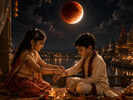
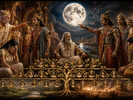
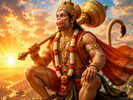
Why Is Dakshinayan Called the Night of the Gods?
Noopur Kumari | Aug 29, 2026, 15:00 IST
The movement of the Sun has traditionally been given deep spiritual significance in Hindu thought. Unlike many festivals whose dates are determined by lunar calculations, Sankranti is linked to the Sun's movement through the zodiac, which is why its dates remain relatively consistent.
Dakshinayan is associated with a period of inwardness, devotion and reflection. Chaturmas, Shravan, Ganesh festivals, Navratri, Pitru Paksha and other observances fall within this broader solar period. From the Yoga Nidra of Lord Vishnu to Bhishma Pitamah's wait for the right moment to leave his body, Dakshinayan carries a recurring message: sometimes the journey inward is necessary before the next sunrise.
Dakshinayan is associated with a period of inwardness, devotion and reflection. Chaturmas, Shravan, Ganesh festivals, Navratri, Pitru Paksha and other observances fall within this broader solar period. From the Yoga Nidra of Lord Vishnu to Bhishma Pitamah's wait for the right moment to leave his body, Dakshinayan carries a recurring message: sometimes the journey inward is necessary before the next sunrise.

Dakshinayan Called the Night of the Gods
Image credit : ChatGPT(ai)
What if the six months when the Sun moves south are not simply a change in the Sun's journey, but a spiritual reminder to slow down?
In Hindu tradition, this period is known as Dakshinayan, and it begins around the time of Karka Sankranti. It is often described as the "night of the gods," while Uttarayan is associated with their daytime But there is an interesting connection hidden in this idea. Think about your own night routine. After a long day, you return home, talk to family, reflect on what happened, express gratitude, perhaps meditate, and finally rest.
Dakshinayan follows a surprisingly similar spiritual rhythm.
![Surya Dev moving toward Dakshinayan]()
In traditional Hindu astronomy, Dakshinayan refers to the period when the Sun's apparent movement is considered to be toward the south. It is associated with Karka Sankranti, when the Sun enters Cancer. This contrasts with Uttarayan, which begins around Makara Sankranti. The distinction is more than a calendar marker in traditional spiritual interpretation. Uttarayan is associated with increasing daylight, while Dakshinayan is connected with longer nights and inward reflection. This is why the period has often been given the symbolic idea of the "night of the gods." The changing movement of the Sun becomes a reminder that nature itself moves through cycles.
![Sun entering Cancer during Karka Sankranti]()
Have you noticed that festivals such as Diwali, Janmashtami and Holi can fall on different dates every year? That happens because many major Hindu festivals follow lunar calculations. Sankranti works differently. It marks the Sun's transition from one zodiac sign to another, so its dates remain relatively close from year to year. Karka Sankranti marks the Sun's entry into Cancer and is traditionally associated with the beginning of Dakshinayan. This solar connection gives Sankranti a different rhythm from lunar festivals. It is almost like watching the Sun's journey through the zodiac rather than following the changing phases of the Moon.
Why call it the "night of the gods"? Traditional interpretations connect the Sun's southward journey with a period symbolically resembling nighttime for the divine realm. Night naturally encourages humans to slow down. We return home, reduce outside activity, spend time with loved ones and prepare ourselves for rest. Dakshinayan is similarly viewed as a period favouring devotion and inward reflection. The symbolism is simple but powerful. Life cannot remain in constant outward motion. Just as day eventually gives way to night, periods of action must sometimes give way to stillness, reflection and spiritual renewal.
One of the most significant periods associated with Dakshinayan is Chaturmas, the four-month period traditionally connected with Lord Vishnu's Yoga Nidra. In many Hindu traditions, this period is regarded as especially suitable for devotion, prayer, fasting and spiritual discipline, while certain auspicious ceremonies may be avoided according to particular customs. The deeper idea is not simply that people should stop doing things. It is about changing the direction of attention. Instead of constantly chasing external goals, Chaturmas encourages people to create more space for faith and reflection. It is almost like giving the mind its own quiet season.
Look at the rhythm of the Hindu calendar during this period and another pattern begins to appear. Shravan brings intense devotion to Lord Shiva. Ganesh Chaturthi brings celebrations dedicated to Lord Ganesha. Navratri turns attention toward the Divine Mother. Pitru Paksha creates a time for remembering ancestors. Later, festivals such as Diwali bring their own powerful symbolism of light overcoming darkness. These occasions may appear completely different, yet many involve the same emotional movement: pause, remember, express gratitude and seek blessings. Dakshinayan therefore becomes a season filled with different forms of spiritual connection rather than simply a period on an astronomical calendar.
Pitru Paksha adds another deeply emotional dimension to Dakshinayan. During this period, many Hindu families perform rituals and offerings in remembrance of their ancestors. The underlying feeling is gratitude. We exist because generations came before us, and remembering them creates a connection with the past. This makes Pitru Paksha fit naturally into the reflective symbolism associated with Dakshinayan. Just as nighttime gives us an opportunity to think about the day that has passed, ancestral observances create an opportunity to remember the people and generations that shaped our lives. It becomes a spiritual pause between what has been and what is yet to come.
The story of Bhishma Pitamah adds another layer to the discussion. After being struck down during the Kurukshetra war, Bhishma remained alive on a bed of arrows because he possessed the boon of choosing the time of his death. He waited until the Sun's northward journey, Uttarayan, before leaving his body. The story is traditionally connected with the spiritual significance given to Uttarayan, but it also makes Dakshinayan's symbolism more interesting. Bhishma's patience reminds us that not every moment demands immediate action. Sometimes waiting, observing and preparing can be just as meaningful as moving forward.
Perhaps the most beautiful lesson of Dakshinayan is also the simplest. When you cannot change what is happening outside, you can change what you do within.
Use the quieter phases of life to reflect. Speak to your family. Remember the people who helped you. Express gratitude. Spend a few minutes in prayer or meditation. Let go of unnecessary noise.
Dakshinayan does not have to mean withdrawing from life. It can mean looking at life more deeply.
Because every night eventually moves toward morning.
And that may be the real message hidden inside this ancient cycle:
When the outer world becomes dark, do not be afraid to go inward. You may find that the light you were waiting for was already there.
Unlock insightful tips and inspiration on personal growth, productivity, and well-being. Stay motivated and updated with the latest at My Life XP.
In Hindu tradition, this period is known as Dakshinayan, and it begins around the time of Karka Sankranti. It is often described as the "night of the gods," while Uttarayan is associated with their daytime But there is an interesting connection hidden in this idea. Think about your own night routine. After a long day, you return home, talk to family, reflect on what happened, express gratitude, perhaps meditate, and finally rest.
Dakshinayan follows a surprisingly similar spiritual rhythm.
The Sun Begins a Different Journey
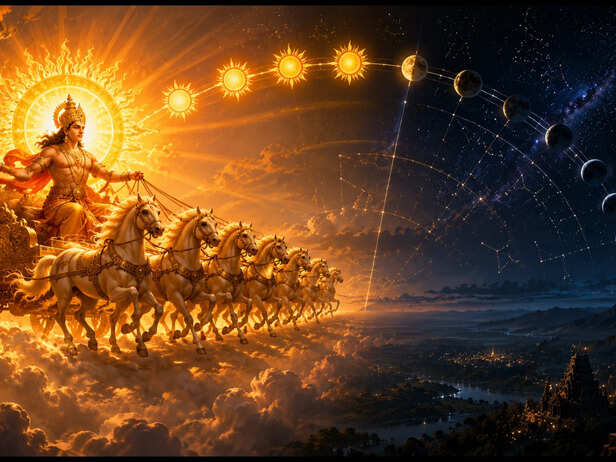
Surya Dev moving toward Dakshinayan
Image credit : ChatGPT (ai)
In traditional Hindu astronomy, Dakshinayan refers to the period when the Sun's apparent movement is considered to be toward the south. It is associated with Karka Sankranti, when the Sun enters Cancer. This contrasts with Uttarayan, which begins around Makara Sankranti. The distinction is more than a calendar marker in traditional spiritual interpretation. Uttarayan is associated with increasing daylight, while Dakshinayan is connected with longer nights and inward reflection. This is why the period has often been given the symbolic idea of the "night of the gods." The changing movement of the Sun becomes a reminder that nature itself moves through cycles.
Why Sankranti Dates Stay Similar
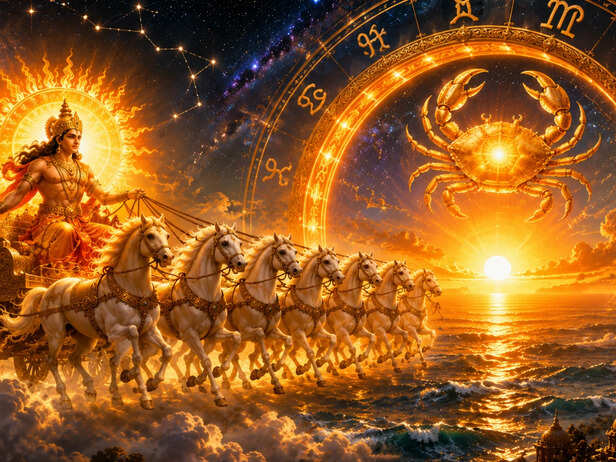
Sun entering Cancer during Karka Sankranti
Image credit : ChatGPT:
Have you noticed that festivals such as Diwali, Janmashtami and Holi can fall on different dates every year? That happens because many major Hindu festivals follow lunar calculations. Sankranti works differently. It marks the Sun's transition from one zodiac sign to another, so its dates remain relatively close from year to year. Karka Sankranti marks the Sun's entry into Cancer and is traditionally associated with the beginning of Dakshinayan. This solar connection gives Sankranti a different rhythm from lunar festivals. It is almost like watching the Sun's journey through the zodiac rather than following the changing phases of the Moon.
The Spiritual Meaning of a Longer Night
Chaturmas Turns Inward
Festivals Become a Spiritual Routine
Even Ancestors Enter the Story
Bhishma Waited for the Sun
Your Own Inner Night Matters
Use the quieter phases of life to reflect. Speak to your family. Remember the people who helped you. Express gratitude. Spend a few minutes in prayer or meditation. Let go of unnecessary noise.
Dakshinayan does not have to mean withdrawing from life. It can mean looking at life more deeply.
Because every night eventually moves toward morning.
And that may be the real message hidden inside this ancient cycle:
When the outer world becomes dark, do not be afraid to go inward. You may find that the light you were waiting for was already there.
Unlock insightful tips and inspiration on personal growth, productivity, and well-being. Stay motivated and updated with the latest at My Life XP.