Every Ekadashi has a story, a spiritual purpose and traditions that devotees follow with faith. Yet Papankusha Ekadashi carries a particularly thought-provoking message. It reminds people that their past mistakes do not have to define their future, provided they make a sincere effort to change their actions.
Observed during the bright fortnight of the Hindu month of Ashwin, Papankusha Ekadashi is dedicated to Lord Vishnu. In 2026, it falls on Thursday, October 22, with the fast traditionally broken on the following day, October 23. But why is this day associated with the removal of sins, and what makes its observance distinctive? The answer lies in its name, its connection with Lord Vishnu and the teachings found in Hindu religious traditions.
What Is Papankusha Ekadashi, and Why Is It Observed?
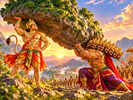
![Papankusha Ekadashi]()
Papankusha Ekadashi
Image credit : AI
Ekadashi refers to the eleventh lunar day, or tithi, of each fortnight. Hindu traditions observe two Ekadashis in most lunar months, one during the waxing moon and another during the waning moon.Papankusha Ekadashi falls on the eleventh lunar day of the bright fortnight of Ashwin. It is also known by the name Pashankusha Ekadashi in some traditions.Like other Ekadashis, it is associated with fasting, prayer, self-discipline and devotion to Lord Vishnu. However, its religious significance particularly emphasises the importance of turning away from wrongdoing and moving towards a more conscious way of living.
The observance is described in the
Padma Purana, where Lord Krishna explains the importance of this Ekadashi and recommends worshipping Lord Vishnu in his Padmanabha form.
What Does the Name Papankusha Actually Mean?
The name itself offers an interesting clue to the day's significance.The word
papa refers to sin or wrongdoing, while
ankusha means a goad, a pointed instrument traditionally used to guide or control an elephant.
Together, the words create a powerful symbolic image. Just as a goad guides an elephant, Papankusha Ekadashi is traditionally understood as an occasion that encourages people to control harmful tendencies and turn away from wrongful actions.This interpretation makes the observance about more than simply following a fast.It encourages devotees to reflect on their behaviour, recognise their mistakes and make a conscious effort to improve themselves. In this sense, the day represents an opportunity for spiritual reflection and a fresh beginning.
Why Is Lord Vishnu Worshipped as Padmanabha?
One distinctive aspect of Papankusha Ekadashi is the emphasis on worshipping Lord Vishnu as Padmanabha.The name Padmanabha is commonly understood as referring to the lotus associated with the Lord's navel. In traditional Hindu imagery, Lord Vishnu is often depicted reclining on the serpent Shesha, with a lotus emerging from his navel and Lord Brahma seated upon it.This image is associated with the creation of the universe and the relationship between Lord Vishnu and cosmic order.
On Papankusha Ekadashi, devotees worship Lord Vishnu in this form, offering prayers and seeking his blessings. The
Padma Purana describes the spiritual merits associated with this worship, including the traditional belief that sincere observance can lead towards liberation.This connection gives the day a specific devotional focus, even though worshipping Lord Vishnu is also central to many other Ekadashi observances.
What Does the Padma Purana Say About This Ekadashi?
The
Padma Purana describes Papankusha Ekadashi as an auspicious occasion associated with spiritual merit and freedom from sins.In the relevant account, Lord Krishna explains the observance to King Yudhishthira. He highlights the importance of worshipping Lord Padmanabha, observing the fast and maintaining devotion.The text also praises acts of charity, including giving food, water, clothing and other necessities to those in need. It presents these acts as meaningful ways of earning spiritual merit.
One particularly striking aspect of the account is its emphasis on the spiritual welfare of ancestors. According to the traditional description, observing the vow is believed to benefit generations of one's family.These are religious beliefs expressed in Hindu scripture, rather than scientifically established outcomes. Nevertheless, they help explain why many devotees regard Papankusha Ekadashi as an important day for prayer, charity and remembrance.
The Lesser-Known Lesson Behind Papankusha Ekadashi
Papankusha Ekadashi is often discussed in terms of fasting and the removal of sins. However, its symbolism also invites a deeper question: what does it mean to move beyond past mistakes?The traditional association between the name Papankusha and the control of wrongdoing offers one way to understand the observance.
A person may regret an earlier decision, recognise that they have hurt someone or realise that certain habits are causing harm. Spiritual reflection can provide an opportunity to acknowledge those actions and consider how to behave differently in the future.The emphasis on devotion and self-discipline can therefore be understood as a reminder to take responsibility for one's conduct.Rather than treating the observance as a shortcut to erase every consequence of past behaviour, readers can understand its underlying message as an invitation to reflect, make amends where possible and practise greater compassion.This interpretation connects an ancient religious tradition with questions that remain relevant in everyday life.
How Do Devotees Observe Papankusha Ekadashi?
The exact method of observing Papankusha Ekadashi varies according to family customs, regional traditions and individual circumstances. Common practices include the following.
1. Observing a Fast
Some devotees abstain from food for the day, while others follow a partial fast that permits fruit, milk or specific fasting foods. Many avoid grains and beans according to their tradition.Fasting practices should be adapted to individual health needs. People who are pregnant, unwell or taking medication should avoid strict fasting unless it is medically appropriate.
2. Offering Prayers to Lord Vishnu
Devotees may offer flowers, tulsi leaves, incense and a lit lamp before an image or idol of Lord Vishnu. Some recite Vishnu mantras or read passages associated with Ekadashi.The emphasis is generally on sincere devotion rather than the number of rituals performed.
3. Giving to Those in Need
Charity holds an important place in the traditional observance. Offering food, water, clothing or other useful necessities can be a practical way to express compassion.The emphasis on giving is particularly meaningful because it encourages devotees to think beyond their own spiritual goals.
4. Maintaining Self-Discipline
Some devotees spend additional time praying, reading sacred texts or reflecting on their actions. Others avoid arguments, harmful speech and unnecessary distractions.These practices reflect the broader purpose of Ekadashi: to create space for devotion and greater awareness of one's behaviour.
5. Breaking the Fast on Dwadashi
The fast is traditionally broken on Dwadashi, the lunar day following Ekadashi, during the prescribed parana period. The exact timing depends on the local religious calendar.For Papankusha Ekadashi in 2026, devotees observing the fast on October 22 generally break it on October 23, following the appropriate local timings.
How Is Papankusha Ekadashi Different From Other Ekadashis?
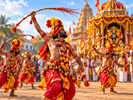
![Papankusha Ekadashi 2026]()
Papankusha Ekadashi 2026
Image credit : AI
Papankusha Ekadashi shares several practices with other Ekadashis, including fasting, prayer, charity and devotion to Lord Vishnu. It is not necessarily considered more powerful than every other Ekadashi across all Hindu traditions.Its distinctive character comes from the particular themes associated with its observance.Its name symbolically connects the day with controlling wrongdoing. Its scriptural account specifically highlights worship of Lord Padmanabha, while traditional descriptions also emphasise charity, spiritual merit and the welfare of ancestors.
Other Ekadashis have their own names, stories and devotional associations. Papankusha Ekadashi stands out because of the way these particular themes come together.Ultimately, its significance lies not only in the rituals devotees perform but also in the opportunity the day offers for reflection, devotion and a renewed commitment to doing what is right.
Unlock insightful tips and inspiration on personal growth, productivity, and well-being. Stay motivated and updated with the latest at
My Life XP