Why the Sun Blessed Three but Destroyed One.
Noopur Kumari | Jul 23, 2026, 15:00 IST
Four legendary figures reached for the same Sun, but only one found devotion, another found sacrifice, one earned redemption, and one met destruction. What made their destinies so different? The answer lies in one powerful lesson from the Ramayana that can change the way you look at ambition, success, and purpose.

In the Ramayana, the Sun is much more than a source of light. It represents knowledge, power, truth, and the highest goal one can aspire to achieve. Interestingly, four extraordinary characters tried to reach or challenge the Sun, but each had a completely different intention. Hanuman, Jatayu, Sampati, and Ravana all moved toward the same destination, yet their journeys ended very differently. Their stories reveal a timeless truth: success is not determined only by your goal, but by the intention behind your actions. This powerful lesson continues to inspire people even today.
The Sun became a symbol of aspiration for four remarkable figures in the Ramayana. Hanuman wanted to catch it as a child, Jatayu tried to reach its height, Sampati sacrificed himself beneath its blazing rays, and Ravana challenged its authority out of pride. Although their destination appeared the same, their intentions were completely different. This difference shaped everything that followed. The Ramayana reminds us that two people may pursue the same goal, but their inner purpose decides where that journey finally leads.
![Young Hanuman leaping toward the glowing Sun]()
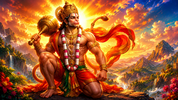
As a child, Hanuman mistook the rising Sun for a ripe fruit and leaped into the sky to catch it. His action was driven by innocence, not arrogance. Later in life, that same boundless energy was transformed into unwavering devotion to Lord Rama, a descendant of the Solar Dynasty. Instead of trying to possess the Sun, Hanuman dedicated his strength to serving righteousness. His innocence matured into selfless service, making him one of the greatest examples of humility and devotion.
![Jatayu fighting Ravana to protect Sita]()
Jatayu once flew toward the Sun, believing in his own strength. But his greatest moment came much later when he risked his life to protect Mata Sita from Ravana. He knew he might not win, yet he fought because it was the right thing to do. His courage and sacrifice earned him the rare blessing of leaving this world in Lord Rama's embrace. The Ramayana teaches that true honor comes not from power but from selfless duty.
Sampati lost his wings while protecting his younger brother Jatayu from the Sun's intense heat. For years, he lived in despair, unable to fly. But destiny had not forgotten his sacrifice. When Lord Rama's search party reached him, Sampati revealed the location of Mata Sita in Lanka. According to the Ramayana, his lost strength returned after helping Rama's mission. His story reminds us that genuine sacrifice is never wasted, even if its reward comes much later.
Unlike the others, Ravana approached the Sun with arrogance. Confident in his strength, he challenged Surya Deva and later spread the false claim that he had defeated the Sun. His pride blinded him to truth. Eventually, he was defeated by Lord Rama, who first worshipped the Sun through the Aditya Hridaya Stotra before the final battle. Ravana's downfall shows that arrogance may create temporary illusions, but only humility leads to lasting victory.
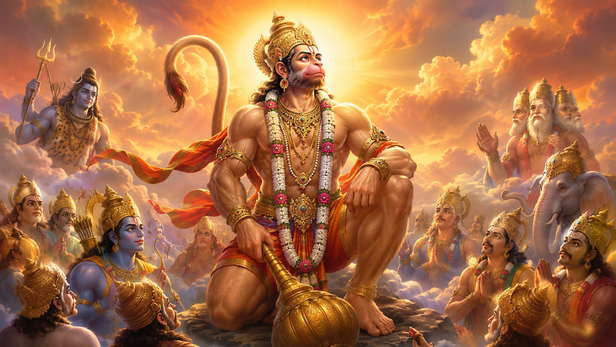
![Four Heroes Reached for the Sun]() Before facing Ravana in the final battle, Lord Rama paused to worship Surya Deva by reciting the Aditya Hridaya Stotra, as taught by Sage Agastya. Rather than relying only on his weapons, he first sought divine guidance and inner strength. This moment highlights the difference between confidence and humility. Rama respected the divine source of energy before taking action. His victory became a reminder that true strength is always supported by wisdom and gratitude.
Before facing Ravana in the final battle, Lord Rama paused to worship Surya Deva by reciting the Aditya Hridaya Stotra, as taught by Sage Agastya. Rather than relying only on his weapons, he first sought divine guidance and inner strength. This moment highlights the difference between confidence and humility. Rama respected the divine source of energy before taking action. His victory became a reminder that true strength is always supported by wisdom and gratitude.
The stories of Hanuman, Jatayu, Sampati, and Ravana teach a lesson that remains relevant today. Dreaming big is never wrong. Reaching for the Sun is not the mistake. What matters is the reason behind your ambition. Goals driven by devotion, courage, and selfless purpose create lasting success, while goals fueled by pride eventually collapse. The Ramayana encourages us to aim high, work sincerely, remain humble, and remember that our intentions ultimately determine our destiny.
Unlock insightful tips and inspiration on personal growth, productivity, and well-being. Stay motivated and updated with the latest at My Life XP.
The Same Sun, Four Different Journeys
Hanuman's Innocence Became Devotion
Young Hanuman leaping toward the glowing Sun
Image credit : CHATGPT(AI)
As a child, Hanuman mistook the rising Sun for a ripe fruit and leaped into the sky to catch it. His action was driven by innocence, not arrogance. Later in life, that same boundless energy was transformed into unwavering devotion to Lord Rama, a descendant of the Solar Dynasty. Instead of trying to possess the Sun, Hanuman dedicated his strength to serving righteousness. His innocence matured into selfless service, making him one of the greatest examples of humility and devotion.
Jatayu Chose Duty Over Pride

Jatayu fighting Ravana to protect Sita
Image credit : ChatGPT(AI)
Jatayu once flew toward the Sun, believing in his own strength. But his greatest moment came much later when he risked his life to protect Mata Sita from Ravana. He knew he might not win, yet he fought because it was the right thing to do. His courage and sacrifice earned him the rare blessing of leaving this world in Lord Rama's embrace. The Ramayana teaches that true honor comes not from power but from selfless duty.
Sampati Was Rewarded for His Sacrifice
Ravana Mistook Pride for Power
Lord Rama Became the True Judge
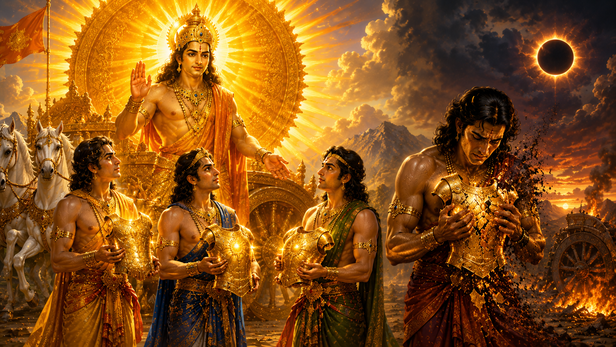
Four Heroes Reached for the Sun
Image credit : ChatGPT(AI)
Your Intention Shapes Your Destiny
Unlock insightful tips and inspiration on personal growth, productivity, and well-being. Stay motivated and updated with the latest at My Life XP.