Why Unstitched Cloth Is Sacred in Hindu Traditions
Noopur Kumari | Jul 28, 2026, 15:00 IST
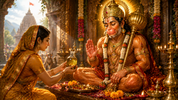
From the first cloth wrapped around a newborn to the final garment used in funeral rites, unstitched cloth holds a special place in many Hindu traditions. It is also commonly worn during pilgrimages, sacred rituals, and by many ascetics. While practices differ across regions and communities, many spiritual teachers view the unstitched cloth as a symbol of purity, simplicity, humility, and detachment from worldly identity.

Hindu Rituals Begin With Unstitched Cloth
Image credit : CHATGPT(AI)
Have you ever noticed one surprising thread that connects birth, spiritual journeys, temple rituals, and even life's final farewell? It is not gold, flowers, or sacred ash. It is something much simpler: an unstitched cloth. Across many Hindu traditions, this simple piece of fabric appears again and again at life's most sacred moments. Is it just tradition, or does it carry a deeper spiritual message? The answer may change the way you look at rituals forever.
A Thread That Begins at Birth
![Newborn Wrapped in Traditional White Cloth]()
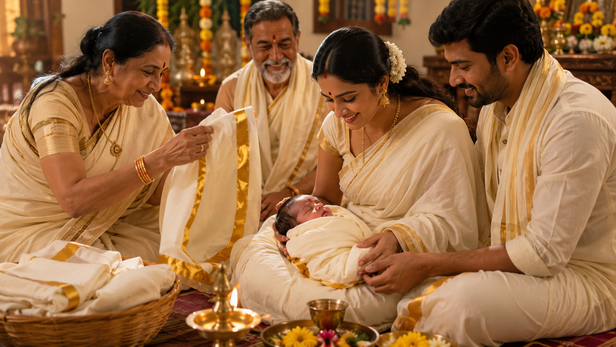
In many Hindu families, a newborn is first wrapped in a plain, unstitched cloth. The practice reflects simplicity at the beginning of life, before identity, status, or possessions take shape. While customs vary across India, the symbolism remains powerful. A child enters the world untouched by ego or social labels. The cloth becomes a reminder that every human life begins in purity, carrying nothing except the gift of existence.
![Traditional Hindu Funeral Ritual]()
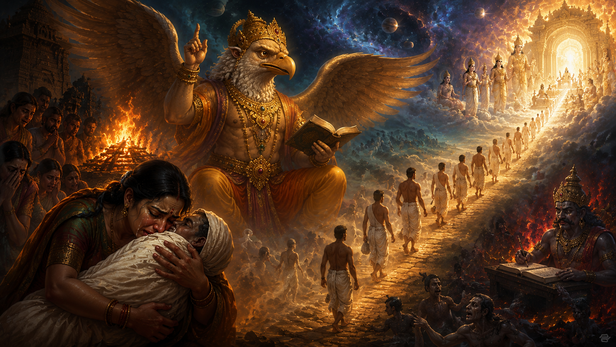
Many Hindu funeral traditions also use unstitched cloth during the final rites. At the end of life, titles, wealth, and achievements lose their importance. The simple cloth symbolizes equality before nature and reminds us that everyone leaves this world without material possessions. It quietly teaches that while life is temporary, values such as compassion, truth, and humility continue to matter.
Across several Hindu pilgrimages and rituals, many devotees wear unstitched garments as an expression of discipline and spiritual focus. Whether during temple visits, holy baths, or sacred observances, the clothing represents a temporary step away from worldly distractions. The emphasis is not on fashion but on approaching worship with simplicity, humility, and inner devotion.
Many monks, ascetics, and spiritual practitioners choose simple or unstitched clothing as a symbol of renunciation. Their appearance reflects a life centered on spiritual practice rather than personal comfort or social recognition. While not every saint follows the same tradition, simplicity in clothing has long represented detachment, self-discipline, and a focus on inner growth instead of external identity.
The Mahabharata tells the powerful story of Draupadi calling upon Lord Krishna when she faced humiliation in the royal court. According to the epic, Krishna protected her by miraculously extending her garment. Many devotees interpret this episode as a reminder that sincere faith protects human dignity when all worldly support disappears. Different traditions draw different symbolic meanings from this event, but its central message remains the triumph of righteousness over injustice.
The deeper lesson behind unstitched cloth is not simply about what we wear. It reminds us to live with honesty, humility, and respect for others. Rituals may vary between communities, but the values they inspire remain timeless. Purity is not created by clothing alone. It grows through truthful actions, compassion, and seeing every human being with dignity. That is the spiritual thread connecting birth, life, and death.
Unlock insightful tips and inspiration on personal growth, productivity, and well-being. Stay motivated and updated with the latest at My Life XP.
A Thread That Begins at Birth
Newborn Wrapped in Traditional White Cloth
Image credit : ChatGPT(AI)
In many Hindu families, a newborn is first wrapped in a plain, unstitched cloth. The practice reflects simplicity at the beginning of life, before identity, status, or possessions take shape. While customs vary across India, the symbolism remains powerful. A child enters the world untouched by ego or social labels. The cloth becomes a reminder that every human life begins in purity, carrying nothing except the gift of existence.
Present at Life's Final Goodbye
Traditional Hindu Funeral Ritual
Image credit : ChatGPT(AI)
Many Hindu funeral traditions also use unstitched cloth during the final rites. At the end of life, titles, wealth, and achievements lose their importance. The simple cloth symbolizes equality before nature and reminds us that everyone leaves this world without material possessions. It quietly teaches that while life is temporary, values such as compassion, truth, and humility continue to matter.
The Cloth of Pilgrimage and Prayer
Why Saints Choose Simplicity
Draupadi's Story and Sacred Dignity
Purity Beyond Rituals
Unlock insightful tips and inspiration on personal growth, productivity, and well-being. Stay motivated and updated with the latest at My Life XP.