Imagine visiting a temple to seek the blessings of Goddess Kali, only to discover that the ground beneath it has a very unusual history. In Darbhanga, Bihar, Shyama Mai Temple stands on the cremation site of a king. This is not just another temple story. Its origins connect royal history, death, devotion and the faith of generations who continue to visit the shrine.
A Temple Built on a Cremation Site
![Shyama Mai Temple in Darbhanga]()
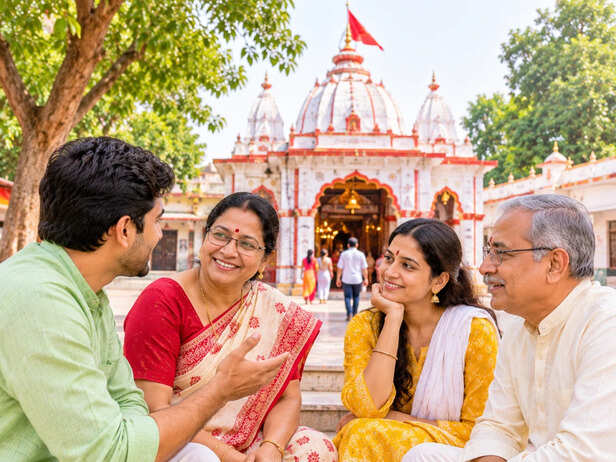
Shyama Mai Temple in Darbhanga
Image credit : CHATGPT(AI)
Most temples are built on land chosen for worship, but Shyama Mai Temple has a different beginning. It stands on the cremation site of Maharaja Rameshwar Singh of the Darbhanga royal family. His son, Maharaja Kameshwar Singh, had the temple built here in 1933. This unusual location is also why the shrine is known as Ramreshwari Shyama Mai Temple. The story of the temple connects the royal family's history with its devotion to Goddess Kali.
The King Who Was Devoted to Goddess Kali
![Maharaja Rameshwar Singh's Legacy]()
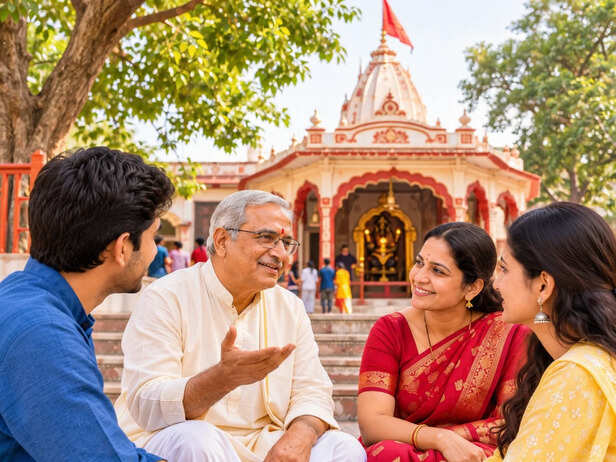
Maharaja Rameshwar Singh's Legacy
Image credit : CHATGPT(AI)
Maharaja Rameshwar Singh was known for his devotion to Goddess Kali and his interest in tantric practices. After his death in 1929, his cremation took place at the royal family's cremation ground in Darbhanga. Four years later, his son Kameshwar Singh established the Shyama Mai Temple at the same site. The name Ramreshwari Shyama Mai is associated with the king's name and the family's devotion to the goddess.
The Entire Campus Has a Royal History
The unusual history does not end with the main temple. The Madheshwar campus contains several shrines connected to the cremation sites of members of the Darbhanga royal family. For example, the Rudreshwari Kali Temple is associated with the cremation site of Maharaja Rudra Singh, while the Lakshmishwari Tara Temple stands at the site associated with Maharaja Lakshmishwar Singh. The campus is therefore more than a single shrine; it preserves several chapters of the royal family's past.
Why Is the Temple Dedicated to Maa Kali?
The temple is dedicated to Maa Shyama, a form of Goddess Kali, who is worshipped as a powerful expression of Shakti. Her imposing idol gives the sanctum a distinctive presence, and devotees visit to offer prayers and seek her blessings. The shrine is also known for its traditional methods of worship. Bihar's tourism information describes both Vedic and tantric forms of puja at the temple. This combination connects the shrine with the religious traditions of the Mithila region.
A Place Where People Celebrate Auspicious Events
You might expect a temple built on a cremation site to be associated only with death and remembrance. Yet Shyama Mai Temple has a very different place in local life. Devotees also visit for auspicious ceremonies, including weddings, mundan and upanayan rituals. Families come to seek the goddess's blessings during important moments in their lives. This contrast is one of the most striking aspects of the temple: a place connected with a king's final rites has become a setting for celebrations and new beginnings.
The Temple Draws Crowds During Festivals
The temple remains a centre of devotion throughout the year, but the number of visitors rises during Navratri and Kali Puja. The annual Shyama Mai festival in December is another important occasion for devotees. Many visitors also wait to attend the temple's aarti and take part in its prayers. For people from Darbhanga and other parts of Mithila, visiting this shrine is not simply a sightseeing experience; it is a part of their faith and family traditions.
A Story That Goes Beyond Life and Death
Shyama Mai Temple makes visitors pause because its story begins at a place most people associate with the end of life. A king's cremation site became a temple where generations now pray, celebrate family occasions and seek blessings. Its history is unusual, but its meaning for devotees is deeply personal. Perhaps that is what makes this shrine so memorable: the same ground that once witnessed a royal farewell now welcomes people as they begin new chapters of their lives.
Unlock insightful tips and inspiration on personal growth, productivity, and well-being. Stay motivated and updated with the latest at
My Life XP.