Can a temple dedicated to Goddess Parvati also offer a beautiful lesson in the relationship between a mother-in-law and daughter-in-law? In Ujjain, Madhya Pradesh, a distinctive temple tradition is associated with Maa Parvati in her role as a mother-in-law, with Siddhi and Riddhi depicted near her feet. The story has drawn attention because it connects divine worship with a relationship that can sometimes be difficult to navigate in everyday life. Beyond the unusual depiction, the tradition invites families to think about affection, respect and understanding between generations.
A Different Form of Maa Parvati
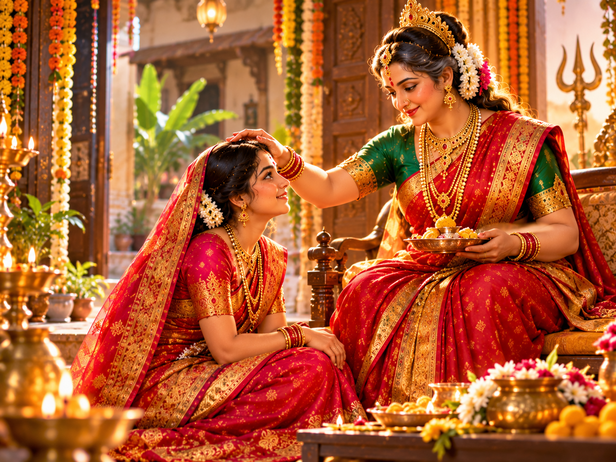
![Maa Parvati in Her Unique Mother-in-Law Form]()
Maa Parvati in Her Unique Mother-in-Law Form
Image credit : chatgpt(ai)
Maa Parvati is widely worshipped as the consort of Lord Shiva and the mother of Lord Ganesha and Lord Kartikeya. Yet some temple traditions present familiar deities in forms that connect their divine stories with everyday family life. A temple in Ujjain is associated with a distinctive depiction of Parvati as a mother-in-law, making it especially interesting to devotees exploring the city's religious heritage. The image offers a different way to think about the goddess, not only as a divine mother but also through the relationships that connect different generations within a family.
Why Siddhi and Riddhi Matter
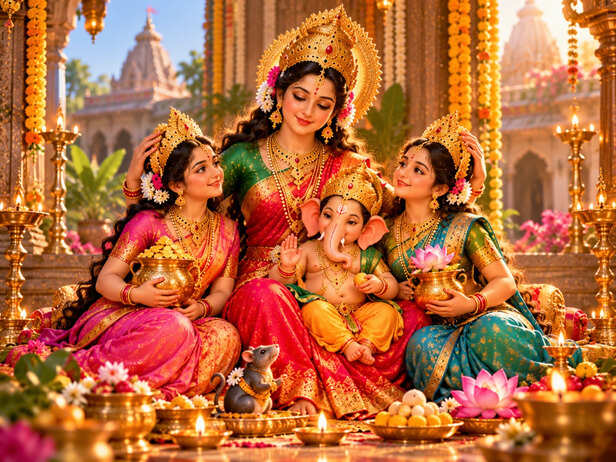
![Maa Parvati with Siddhi and Riddhi]()
Maa Parvati with Siddhi and Riddhi
Image credit : chatgpt(ai)
In Hindu tradition, Siddhi and Riddhi are commonly associated with Lord Ganesha and are often described as personifications of accomplishment, prosperity and abundance. Their presence in religious stories connects the household with ideas of well-being and fulfilment. In the temple depiction described by devotees, Siddhi and Riddhi are shown near Maa Parvati's feet. This arrangement gives the scene its distinctive character and draws attention to the family relationships represented through divine imagery. Visitors interested in Hindu mythology may find this depiction especially intriguing because it presents familiar figures in an uncommon setting.
The Belief Behind Saas-Bahu Harmony
A loving relationship between a mother-in-law and daughter-in-law often depends on patience, trust and respect. According to local devotional belief associated with this temple tradition, devotees seek Maa Parvati's blessings for greater affection and harmony within their families. Some believe that offering prayers here can help strengthen the bond between the two women. Such beliefs are part of religious faith rather than a guaranteed outcome. The deeper message is easy to understand: family relationships become healthier when people listen to one another, respect differences and avoid turning small disagreements into lasting resentment.
Why This Temple Stands Out
Ujjain is known for its deep religious traditions, ancient temples and association with Lord Shiva. Among the many stories linked to the city, the depiction of Maa Parvati in a mother-in-law role stands out because it connects a divine figure with a familiar family relationship. The claim that this is the world's only temple of its kind is a local or devotional claim that would require independent verification. Even without that distinction, the tradition offers a compelling reason for devotees to learn about the city's lesser-known religious stories and the different ways Hindu deities are represented.
What Devotees Hope to Receive
Devotees who visit temples seeking blessings for family relationships often pray for peace, mutual understanding and fewer conflicts at home. Those drawn to this Maa Parvati tradition may offer prayers with the hope of improving the bond between a mother-in-law and daughter-in-law. The experience can also encourage personal reflection: Are family members giving one another enough time, listening without judgment and respecting individual choices? Prayer may offer comfort and a sense of connection, while open communication and fair treatment help families work through disagreements in practical ways.
A Lesson Every Family Can Follow
The story associated with this temple can inspire families to look beyond traditional labels and expectations. A mother-in-law and daughter-in-law may come from different generations, have different habits and disagree about everyday matters. Those differences do not have to become a source of conflict. Setting clear boundaries, speaking kindly and allowing each other space can help build trust over time. Rather than expecting one person to adjust to everything, both sides can make an effort to understand the other's perspective. These small changes often make family life more comfortable and respectful.
The Deeper Meaning of Maa Parvati's Blessings
The appeal of this temple tradition lies in the way it brings spirituality close to everyday life. Maa Parvati is revered in Hindu tradition as a symbol of devotion, strength and family life. Seeing her through the role of a mother-in-law offers devotees an opportunity to reflect on the bonds that hold a household together. Whether someone visits the temple out of faith, curiosity or a desire for family harmony, the message remains relevant: relationships need care from everyone involved. A prayer can express that hope, while daily acts of understanding help keep it alive.
Unlock insightful tips and inspiration on personal growth, productivity, and well-being. Stay motivated and updated with the latest at
My Life XP.