6 Ancient Indian Rituals That Mirror Today’s Therapy Sessions
Vishal Singh Gaur | Sept 02, 2025, 14:26 IST
This article explores how six ancient Indian rituals meditation, storytelling, chanting, fasting, fire ceremonies, and community celebrations mirror modern therapy practices. Far from being outdated traditions, these rituals nurtured emotional health, resilience, and connection. By linking past wisdom to today’s psychological insights, the piece reminds us that healing has always been part of human culture, only expressed in different forms.

Indian Rituals
Image credit : Pixabay
Sometimes we think therapy is something brand new. Like it was invented in neat offices with couches, journals, and soft lighting. But if you look closely, India has been practicing the art of healing minds and hearts for centuries. Our rituals, which often seem spiritual or cultural, were actually doing what modern therapy does today helping people process emotions, find clarity, and reconnect with themselves.
And that’s the beauty of it. Ancient rituals weren’t just about gods and offerings. They were about people. About mental peace. About the same healing we chase today in therapy rooms.
Therapists today talk a lot about mindfulness. About slowing down your thoughts. About connecting to your breath. But Indians have been doing this for thousands of years through meditation and pranayama.
![Meditation]()
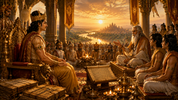
Ever noticed how sharing your story with someone feels lighter? In therapy, we call it “talk therapy.” In India, we’ve had katha and satsang. People gathered, listened to stories, and often shared their own.
Think about the repetitive sound of “Om.” Chanting mantras had a vibrational effect on both the body and the mind. Modern therapy calls this sound therapy.
![Mantra]()
Therapists sometimes suggest routines to build self-control. They talk about mindful eating or breaking harmful cycles. Indians did this through ritual fasting.
Have you ever stared at fire and felt oddly calm? Fire rituals weren’t just religious. They were symbolic cleansing ceremonies. Today, therapists sometimes ask people to write down emotions and burn the paper as a release.
![Fire]()
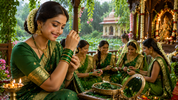
![Celebration]() Therapy often talks about the importance of social support. Humans need connection. India’s festivals and collective rituals were designed exactly for that.
Therapy often talks about the importance of social support. Humans need connection. India’s festivals and collective rituals were designed exactly for that.
The point isn’t to say modern therapy copied India. It’s to recognize that healing is universal. Whether you sit in front of a therapist in New York or a diya in Varanasi, you’re still doing the same thing taking care of the fragile, beautiful human mind.
For me, this realization makes therapy feel less foreign. It feels like coming back home. Like discovering that our ancestors weren’t just performing rituals for gods. They were caring for themselves. They were practicing therapy, just in a different language.
And maybe that’s the biggest lesson here. Healing doesn’t always need fancy words. Sometimes it’s in a chant, a story, a festival, or the flicker of a lamp.
Unlock insightful tips and inspiration on personal growth, productivity, and well-being. Stay motivated and updated with the latest at My Life XP.
Frequently Asked Questions:
And that’s the beauty of it. Ancient rituals weren’t just about gods and offerings. They were about people. About mental peace. About the same healing we chase today in therapy rooms.
Here are six rituals that prove just how timeless the human need for healing really is.
1. Meditation and Breathwork (Pranayama)

Meditation
Image credit : Freepik
- Meditation allowed people to watch their thoughts without judgment.
- Pranayama used the breath to regulate emotions, calm the nervous system, and center the mind.
- In therapy terms, this is stress management, emotional regulation, and grounding.
2. Storytelling Circles (Katha and Satsang)
- Storytelling wasn’t entertainment alone. It was a safe space for reflection.
- Moral tales gave people frameworks to understand their own struggles.
- Collective listening created community healing.
3. Chanting and Mantras
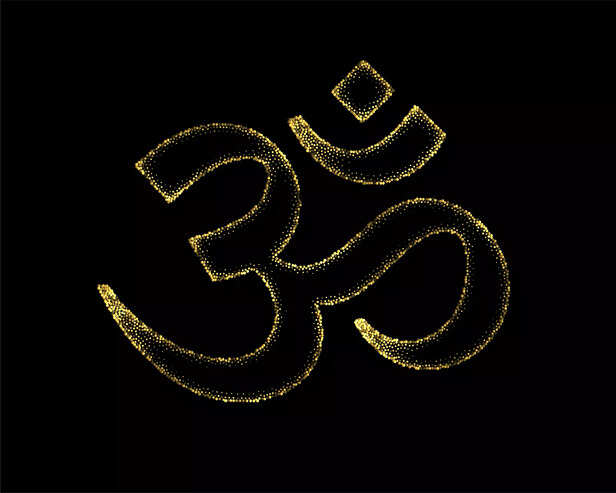
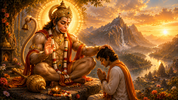
Mantra
Image credit : Freepik
- Rhythmic chanting regulates breathing.
- It quiets the mind, much like guided affirmations.
- Collective chanting creates belonging, reducing loneliness.
4. Fasting and Ritual Discipline (Upvas)
- Fasting wasn’t only physical it was mental training.
- It taught restraint, patience, and focus.
- The act of self discipline often gave people a sense of inner strength.
5. Fire Rituals (Yajna and Havan)
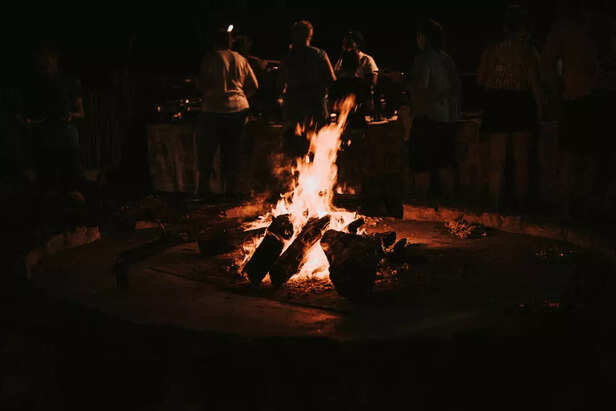
Fire
Image credit : Freepik
- Fire symbolized transformation.
- Offerings into the flame represented letting go of burdens.
- The ritual gave people a sense of closure.
6. Community Celebrations (Festivals and Collective Rituals)
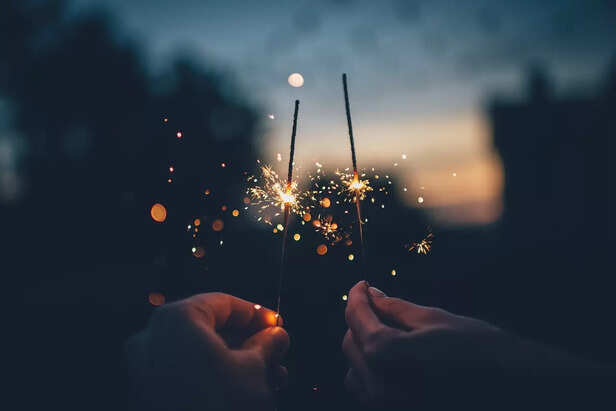
Celebration
Image credit : Freepik
- People came together, sang, danced, ate, and laughed.
- This created a break from daily stress.
- It reinforced the idea that you weren’t alone.
Why This Still Matters
For me, this realization makes therapy feel less foreign. It feels like coming back home. Like discovering that our ancestors weren’t just performing rituals for gods. They were caring for themselves. They were practicing therapy, just in a different language.
And maybe that’s the biggest lesson here. Healing doesn’t always need fancy words. Sometimes it’s in a chant, a story, a festival, or the flicker of a lamp.
Unlock insightful tips and inspiration on personal growth, productivity, and well-being. Stay motivated and updated with the latest at My Life XP.
Frequently Asked Questions:
- Why do rituals feel calming even if you’re not religious?
Because the human brain craves rhythm, structure, and meaning. - Is chanting the same as affirmations in therapy?
Yes, only older and maybe even more powerful.