
9 Powerful Secrets Behind Chaitra Navratri
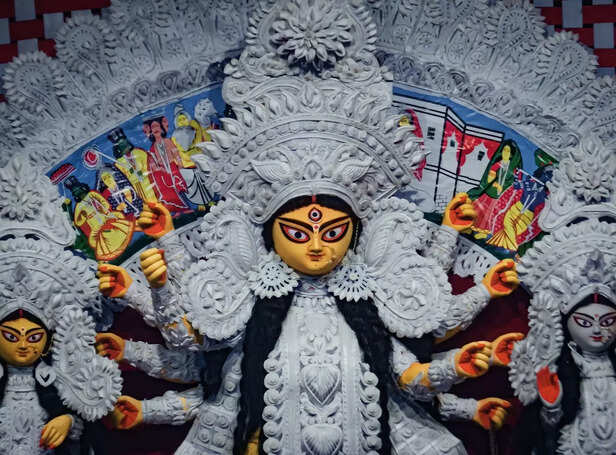
Every year when spring arrives, nature quietly begins to change. Flowers bloom. Fresh leaves appear. The air feels lighter. But in Hindu tradition, this change is not only seasonal it is deeply spiritual. This sacred period is known as Chaitra Navratri, a nine-day festival dedicated to the worship of Durga. Many people celebrate the rituals, fast, and visit temples. Yet very few truly understand the deeper meaning behind these nine days. Why does this festival begin the Hindu New Year? Why do devotees perform Kalash Sthapana? And why did Rama worship the goddess before battle? The answers reveal powerful spiritual wisdom hidden in this sacred festival.
The Festival That Welcomes Spring
Chaitra Navratri arrives during the beautiful season of spring. In Indian culture, spring represents renewal, energy, and new beginnings. Just as nature starts blooming again, the festival reminds people to renew their inner energy. The arrival of spring symbolizes hope and spiritual awakening. Devotees believe this period carries positive cosmic energy, making prayers and meditation especially powerful. The season itself becomes a reminder that life constantly renews itself, encouraging people to let go of negativity and start fresh with faith and devotion.
Beginning of the Hindu New Year
The first day of Chaitra Navratri falls on Chaitra Shukla Pratipada, which is considered the beginning of the Hindu lunar New Year in many traditions. This day is believed to be extremely auspicious. People begin new ventures, perform prayers, and seek blessings for prosperity and success. The festival reminds us that every new cycle of time should begin with spiritual reflection. Starting the year with devotion to Durga symbolizes inviting strength, protection, and positivity into life.
Worship of the Divine Feminine Power
या देवी सर्वभूतेषु शक्तिरूपेण संस्थिता।
नमस्तस्यै नमस्तस्यै नमस्तस्यै नमो नमः॥
During these nine days, devotees worship the nine forms of Durga, representing different aspects of divine energy. Each day symbolizes courage, wisdom, protection, and compassion. The festival highlights the importance of Shakti, the universal feminine power that sustains the universe. By honoring these forms, people seek inner strength to overcome fear and negativity. This tradition reminds us that true power comes from spiritual balance and respect for divine energy.
Lord Rama’s Devotion Before the Great Battle
According to traditions connected to the Ramayana, Rama worshipped Goddess Durga for nine days before fighting Ravana. He performed sacred prayers and recited verses from Durga Saptashati, also known as the Chandi Path. This devotion symbolized surrender to divine guidance before facing a great challenge. The story teaches an important lesson: even the strongest warriors seek spiritual strength before confronting difficulties.
The Sacred Ritual of Kalash Sthapana
The first ritual of Navratri is Kalash Sthapana, where a sacred pot filled with water is placed and worshipped. It represents the presence of divine energy and the blessings of the goddess in the home. The Kalash is often decorated with mango leaves and a coconut, symbolizing prosperity and life. Devotees believe this ritual invites spiritual purity and positive energy. It also marks the formal beginning of the nine days of worship and devotion.
Nine Days of Spiritual Discipline
During Chaitra Navratri, many devotees observe fasting, meditation, and prayers. Fasting is not only about food restrictions; it is a way to purify the mind and body. These nine days encourage discipline, self-control, and spiritual focus. By reducing distractions and worldly attachments, devotees can concentrate on devotion and inner reflection. This practice helps create a sense of calm and clarity.
Victory of Divine Energy Over Evil
सर्वमंगल मांगल्ये शिवे सर्वार्थ साधिके।
शरण्ये त्र्यम्बके गौरी नारायणि नमोऽस्तुते॥
Many traditions believe that during this period Goddess Durga defeated powerful demons who threatened cosmic balance. This victory symbolizes the triumph of righteousness over negativity. Navratri therefore becomes a celebration of courage, justice, and divine protection. It reminds devotees that no matter how powerful negativity may appear, faith and righteousness will eventually prevail.
Unlock insightful tips and inspiration on personal growth, productivity, and well-being. Stay motivated and updated with the latest at My Life XP.
Frequently Asked Questions (FAQs)
1. What is Chaitra Navratri?
Chaitra Navratri is a nine-day Hindu festival dedicated to the worship of Durga and her nine divine forms. It is celebrated during the spring season and symbolizes spiritual renewal, devotion, and the victory of good over evil.
2. Why is Chaitra Navratri celebrated in spring?
The festival takes place during the arrival of spring, which represents new beginnings and fresh energy in nature. This seasonal transition is considered spiritually powerful, making it an ideal time for prayer, fasting, and inner purification.
3. Why is the first day of Chaitra Navratri important?
The first day falls on Chaitra Shukla Pratipada, which is considered the beginning of the Hindu lunar New Year in many traditions. Devotees perform Kalash Sthapana to invite divine blessings into their homes.
4. What is Kalash Sthapana?
Kalash Sthapana is the ritual of placing a sacred pot filled with water, decorated with mango leaves and a coconut. It symbolizes the presence of divine energy and marks the start of Navratri worship.
5. What is the connection between Navratri and Rama?
According to the epic Ramayana, Lord Rama worshipped Goddess Durga for nine days before fighting Ravana. His devotion helped him gain divine strength and guidance.