
The Future of Work: Will Your Next Boss Be an Algorithm?
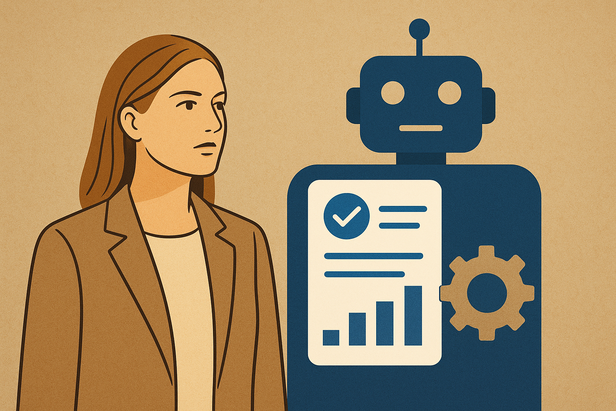
The work environment is evolving more rapidly than ever. Automation, artificial intelligence (AI), and data-informed decision-making are transforming the way businesses function, and determining who, or what, is in control. At one time, the concept of having a machine as your supervisor seemed like something out of science fiction. Nowadays, it’s not just feasible but more likely than ever. Algorithms are increasingly influencing management, from monitoring performance to making hiring choices. However, what implications does this hold for the future of employment, workers, and the concept of leadership itself?
Algorithms Already Control Us
Although you may not be aware, algorithms are currently operating as managers across numerous sectors. Workers in the gig economy are well aware of this. Uber drivers and Swiggy or DoorDash delivery partners get their tasks, route directions, and performance evaluations from AI-driven systems rather than from human managers. In the same way, Amazon's warehouse staff are supervised by automated systems that monitor productivity in real-time, occasionally providing warnings or suggestions for termination.
The change is slight yet important: rather than a human supervisor establishing objectives and assessing outcomes, an unseen algorithm processes information and makes those decisions.
Reasons Companies Are Embracing Algorithms
Why are organizations placing such trust in algorithms for this responsibility?
- Efficiency – Machines are capable of rapidly processing large volumes of data, removing human lag in decision-making.
- Objectivity – Algorithms are viewed as more impartial, as they depend on data instead of emotions or interpersonal connections.
- Scalability – Overseeing thousands of employees in various locations is simpler with a digital system rather than through multiple levels of human managers.
- Cost-Effectiveness – Automation in management minimizes the requirement for middle management, lowering costs.
For companies, algorithms appear to be the ideal supervisor—impartial, relentless, and exact
The Human Aspect of an Algorithm Leader
However, employees frequently hold a different viewpoint. Algorithms may come across as distant, unemotional, and lacking accountability. If your supervisor is an application, whom do you turn to when an issue arises? Numerous employees express stress and anxiety due to constant surveillance by AI systems, particularly when small errors result in consequences.
A further issue is opacity, most algorithms operate as “black boxes.” Workers might be unaware of the reasons behind specific choices, whether it involves arranging work shifts, denying a leave request, or evaluating performance. This absence of clarity undermines trust and can render workplaces feel less compassionate.
Will Algorithms Take Over Human Management?
Experts think algorithms won’t entirely substitute human managers, but they will progressively serve as co-managers. In other terms, your future manager could be part-human, part-algorithm.
Picture this scenario: your performance evaluation is partially carried out by a supervisor, yet the information they utilize is sourced from an AI dashboard that has monitored your productivity, emails, and project schedules. Your supervisor might still provide the feedback, but the evaluation is significantly shaped by algorithms.
In certain sectors, particularly those driven by technology, human supervisors may function more as mentors while algorithms manage regular monitoring and assessment. This blended approach enables organizations to harmonize effectiveness with compassion.
The Moral Dilemmas
The emergence of algorithmic management also brings forth ethical concerns.
- AI Bias: Although algorithms are promoted as impartial, their fairness is solely dependent on the quality of the data used for training. If the system is supplied with biased data, biased decisions will result. For instance, certain AI-based recruitment tools have faced criticism for being biased against women or minority groups.
- Surveillance Culture: Ongoing observation diminishes the distinction between professional and personal lives. Should employers have the right to monitor every click, keystroke, or action?
- Responsibility: If an algorithm leads to an erroneous outcome, like unjustly terminating a worker, who holds accountability
These are not abstract issues but real challenges that policymakers, companies, and workers must address.
The Benefits of Having an Algorithmic Supervisor
Not everything is negative. When implemented thoughtfully, algorithmic management can enhance work environments. For example, AI can detect burnout risks by examining work habits and suggesting rest periods. It can also identify unconscious biases in promotions or hiring, fostering equitable opportunities for underrepresented groups.
Certain employees might actually favor algorithmic supervision over micromanaging by imperfect human leaders. With a properly designed system, rules remain consistent, and favoritism is reduced.
Getting Ready for Tomorrow
What actions can employees and organizations take as algorithms assume greater management responsibilities?
Employees ought to concentrate on abilities that algorithms find difficult to mimic: creativity, emotional intelligence, leadership, and problem-solving. These will continue to be sought after even in AI-powered environments.
Businesses need to pledge to openness in algorithmic decision-making processes. Workers need to comprehend how systems function and possess avenues for appeal.
Governments are expected to regulate algorithmic management, establishing benchmarks for fairness, accountability, and privacy.
The future of work will focus on creating systems where humans and algorithms enhance one another, rather than choosing one over the other.
The Broader Perspective: Reshaping Leadership
The emergence of algorithmic leaders compels us to reevaluate the concept of leadership. A great leader goes beyond just delegating responsibilities or evaluating performance, they encourage, energize, and assist their team. Algorithms can be highly efficient, but empathy and foresight are distinctly human characteristics.
Ultimately, the ideal work environments will combine machine intelligence alongside human insight. The algorithm may set your schedule, but your manager will always be available to support your career, acknowledge your successes, and recognize your challenges.
Unlock insightful tips and inspiration on personal growth, productivity, and well-being. Stay motivated and updated with the latest at My Life XP.
Frequently Asked Questions (FAQs):
- Are algorithms already managing workers?
Yes, in gig platforms like Uber, Amazon warehouses, and delivery apps. - What are the risks of algorithmic management?
Bias, lack of transparency, surveillance, and reduced empathy. - Who is accountable for AI-driven mistakes?
The company, since algorithms lack human responsibility.