Did Arjuna Win the War- or Did Krishna Win It for Him?
Deepak Rajeev | Fri, 17 Apr 2026
This article explores whether Arjuna’s victory in the Mahabharata was due to his unmatched skill or Krishna’s strategic guidance. It highlights Arjuna’s hesitation, Krishna’s decisive influence, and the role of the Bhagavad Gita, concluding that while Arjuna fought the battles, Krishna’s wisdom ultimately shaped the path to victory.

Did Arjuna Win Because of Skill- or Because of Krishna? (Image Credit: AI)
The Mahabharata does not offer comfortable answers, and perhaps that is why this question refuses to fade: was Arjuna truly the architect of his own victory, or was he the most powerful instrument in a strategy designed by Krishna? Because when you strip away devotion, emotion, and tradition, what remains is a battlefield where skill and strategy collide- and only one decides the outcome.
At first glance, the argument seems settled in Arjuna’s favour. He was not just a warrior; he was the warrior, trained under the greatest teachers, blessed with celestial weapons, capable of feats that few could even comprehend. His precision was unmatched, his discipline relentless, and his composure under pressure almost supernatural. On the battlefield, he did not merely fight- he dominated, defeating some of the most formidable warriors ever described in the Mahabharata. But here is the uncomfortable truth that changes everything. Arjuna almost didn’t fight at all.
![Lord Krishna With Arjuna (Image Credit: AI)]()
Before the war began, before arrows flew and strategies unfolded, Arjuna collapsed. Not physically, but mentally. Faced with the reality of killing his own family, his teachers, and those he once loved, he was ready to walk away from everything. His skill did not disappear in that moment, but it became irrelevant. Because a warrior who refuses to fight cannot win. And in that moment, Arjuna was not a hero. He was a man lost in doubt. It was Krishna who stepped in, not with weapons, but with words that would become the Bhagavad Gita. He did not motivate Arjuna; he reconstructed him. He dismantled his confusion, challenged his fears, and forced him to see beyond emotion into duty.
So here is the first hard question: If Krishna had not intervened, would Arjuna have fought at all? If the answer is no, then skill alone never had a chance.
![Final Moments of Karna (Image Credit: AI)]()
Even if we accept that Arjuna returned to the battlefield, another question emerges- what actually wins a war? Individual brilliance or collective strategy? Throughout the war, Krishna did far more than guide from the sidelines. He dictated timing, controlled positioning, and influenced decisions that directly led to the fall of warriors who were otherwise nearly invincible. Bhishma, Drona, Karna—none of them were defeated by straightforward combat alone. Each required a specific strategy, often bending the accepted rules of warfare. And who designed those strategies? Not Arjuna. Krishna. This leads to a sharper, more uncomfortable conclusion: Arjuna executed. Krishna decided.
![Krishna Guiding Arjuna (Image Credit: AI)]()
This is where the debate becomes difficult to ignore. Arjuna had the skill, but skill without direction is chaotic. Krishna provided that direction with precision, ensuring that every major turning point in the war aligned with a larger plan. Think about it carefully. Who ensured Arjuna faced the right opponents at the right time? Who guided him in moments of hesitation? Who shaped the very structure of the war itself? If Arjuna was the weapon, Krishna was the mind that wielded it. And in any battle, the mind matters more than the weapon.
Defenders of Arjuna’s greatness often point to one critical moment- his choice before the war. When given the option between Krishna’s army and Krishna himself, Arjuna chose Krishna. But this moment does not weaken the argument. It strengthens it. Because in that choice, Arjuna himself acknowledged something profound: that guidance was more valuable than power, that wisdom outweighed numbers, and that strategy could surpass strength. In other words, Arjuna chose not just an ally. He chose the reason he would win.
Here is where the debate turns again. If Krishna was the true mastermind, could another warrior have achieved the same result? The answer is not simple. Arjuna was not just skilled; he was receptive. He was capable of surrendering his ego, of listening, of transforming under guidance. Many in the Mahabharata possessed strength, but very few possessed this combination of humility and discipline. Krishna may have been the strategist, but Arjuna was the only one capable of executing that strategy flawlessly. So the reality becomes more complex: Krishna needed Arjuna. But Arjuna needed Krishna more.
This is where the debate stops being comfortable and starts becoming real. If Arjuna had fought alone, without Krishna’s guidance, his skill might have made him a great warrior- but not necessarily a victor. If Krishna had planned everything without Arjuna, the strategy would have remained just that- a plan without execution. But when you weigh their roles, one truth stands out more sharply than the rest: Arjuna won the battles. Krishna ensured the war was winnable. And without that, victory may never have existed.
So did Arjuna win because of skill- or because of Krishna? The honest answer is not neutral. It is uncomfortable. Arjuna’s skill made victory possible. But Krishna’s strategy made it inevitable. And if inevitability defines true control, then the real question is no longer who fought the war- but who decided how it would end.
Unlock insightful tips and inspiration on personal growth, productivity, and well-being. Stay motivated and updated with the latest at My Life XP.
At first glance, the argument seems settled in Arjuna’s favour. He was not just a warrior; he was the warrior, trained under the greatest teachers, blessed with celestial weapons, capable of feats that few could even comprehend. His precision was unmatched, his discipline relentless, and his composure under pressure almost supernatural. On the battlefield, he did not merely fight- he dominated, defeating some of the most formidable warriors ever described in the Mahabharata. But here is the uncomfortable truth that changes everything. Arjuna almost didn’t fight at all.
The Moment That Breaks the Argument
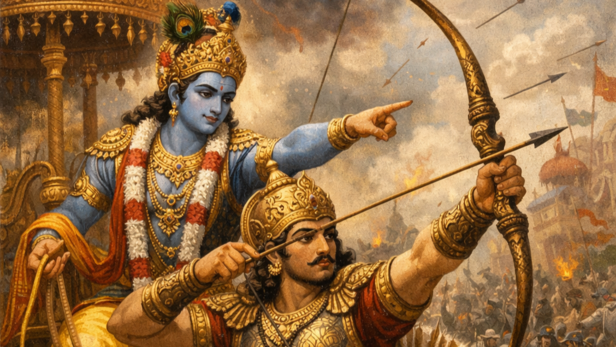
Lord Krishna With Arjuna (Image Credit: AI)
Before the war began, before arrows flew and strategies unfolded, Arjuna collapsed. Not physically, but mentally. Faced with the reality of killing his own family, his teachers, and those he once loved, he was ready to walk away from everything. His skill did not disappear in that moment, but it became irrelevant. Because a warrior who refuses to fight cannot win. And in that moment, Arjuna was not a hero. He was a man lost in doubt. It was Krishna who stepped in, not with weapons, but with words that would become the Bhagavad Gita. He did not motivate Arjuna; he reconstructed him. He dismantled his confusion, challenged his fears, and forced him to see beyond emotion into duty.
So here is the first hard question: If Krishna had not intervened, would Arjuna have fought at all? If the answer is no, then skill alone never had a chance.
Skill Fights Battles- Strategy Wins Wars
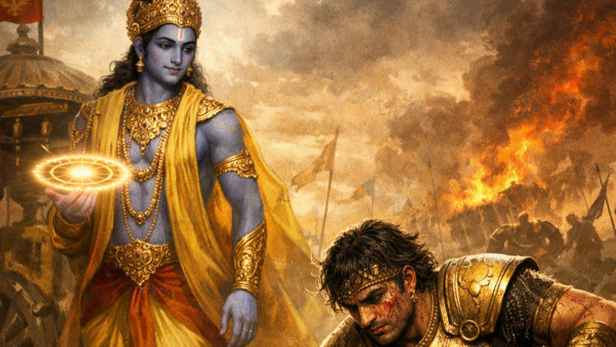
Final Moments of Karna (Image Credit: AI)
Even if we accept that Arjuna returned to the battlefield, another question emerges- what actually wins a war? Individual brilliance or collective strategy? Throughout the war, Krishna did far more than guide from the sidelines. He dictated timing, controlled positioning, and influenced decisions that directly led to the fall of warriors who were otherwise nearly invincible. Bhishma, Drona, Karna—none of them were defeated by straightforward combat alone. Each required a specific strategy, often bending the accepted rules of warfare. And who designed those strategies? Not Arjuna. Krishna. This leads to a sharper, more uncomfortable conclusion: Arjuna executed. Krishna decided.
Was Arjuna the Warrior or the Weapon?
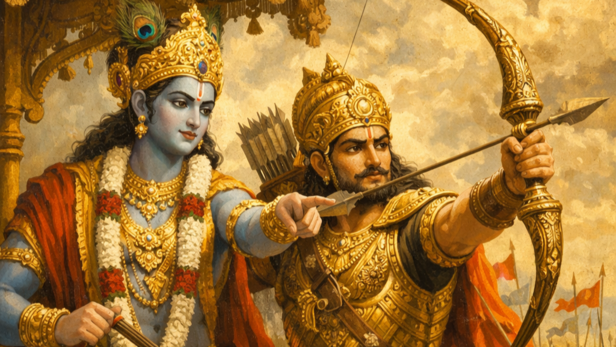
Krishna Guiding Arjuna (Image Credit: AI)
This is where the debate becomes difficult to ignore. Arjuna had the skill, but skill without direction is chaotic. Krishna provided that direction with precision, ensuring that every major turning point in the war aligned with a larger plan. Think about it carefully. Who ensured Arjuna faced the right opponents at the right time? Who guided him in moments of hesitation? Who shaped the very structure of the war itself? If Arjuna was the weapon, Krishna was the mind that wielded it. And in any battle, the mind matters more than the weapon.
The Choice That Decided Everything
Defenders of Arjuna’s greatness often point to one critical moment- his choice before the war. When given the option between Krishna’s army and Krishna himself, Arjuna chose Krishna. But this moment does not weaken the argument. It strengthens it. Because in that choice, Arjuna himself acknowledged something profound: that guidance was more valuable than power, that wisdom outweighed numbers, and that strategy could surpass strength. In other words, Arjuna chose not just an ally. He chose the reason he would win.
Could Anyone Have Replaced Arjuna?
Here is where the debate turns again. If Krishna was the true mastermind, could another warrior have achieved the same result? The answer is not simple. Arjuna was not just skilled; he was receptive. He was capable of surrendering his ego, of listening, of transforming under guidance. Many in the Mahabharata possessed strength, but very few possessed this combination of humility and discipline. Krishna may have been the strategist, but Arjuna was the only one capable of executing that strategy flawlessly. So the reality becomes more complex: Krishna needed Arjuna. But Arjuna needed Krishna more.
So Who Really Won?
This is where the debate stops being comfortable and starts becoming real. If Arjuna had fought alone, without Krishna’s guidance, his skill might have made him a great warrior- but not necessarily a victor. If Krishna had planned everything without Arjuna, the strategy would have remained just that- a plan without execution. But when you weigh their roles, one truth stands out more sharply than the rest: Arjuna won the battles. Krishna ensured the war was winnable. And without that, victory may never have existed.
Conclusion: The Answer That Divides Opinions
So did Arjuna win because of skill- or because of Krishna? The honest answer is not neutral. It is uncomfortable. Arjuna’s skill made victory possible. But Krishna’s strategy made it inevitable. And if inevitability defines true control, then the real question is no longer who fought the war- but who decided how it would end.
Unlock insightful tips and inspiration on personal growth, productivity, and well-being. Stay motivated and updated with the latest at My Life XP.